
Show summary Hide summary
- Charli XCX on What Being a Pop Star Really Feels Like
- Perks, Parties and the Upside of Celebrity
- The Strange, Empty In-Between Where Pop Stars Spend Time
- Boxes, Backlash and the Gendered Culture of Criticism
- Reality, Persona and the Rising Moral Expectations in Music
- Why Substack Became Her Chosen Outlet
Charli XCX used a new Substack essay to unpack what life looks like when pop stardom becomes your daily reality. Her piece mixes wry observation, backstage detail and cultural critique, revealing both the glitter and the odd, empty moments that come with international fame.
Charli XCX on What Being a Pop Star Really Feels Like
In her memo, Charli rejects the shallow caricature many assign to her. She said she does more than party-ready pop stunts and labels herself a creative or artist outside of narrow pigeonholes. But she chose to write about the pop-star role because that part of her life is the one she’s navigated longest.
Nas slams music industry over disrespect: teases new music, vows to address it
1992 vocal performances: 3 jaw-dropping moments that still amaze
Her tone is equal parts amused and exasperated. She admits the lifestyle can be exhilarating, yet confusing, with perks that feel surreal next to the oddities of touring and promotion.
Perks, Parties and the Upside of Celebrity
Charli doesn’t hide that some aspects are undeniably fun. She describes late-night energy, VIPs, and the thrill of rubbing shoulders with peers. These moments feed a sense of community and creative exchange.
- Access to exclusive events and social scenes.
- Opportunities to collaborate and advise fellow artists.
- Gifts, designer pieces and other material perks.
She emphasizes connection: beyond glitz, celebrity can create networks where artists help shape one another’s work.
The Strange, Empty In-Between Where Pop Stars Spend Time
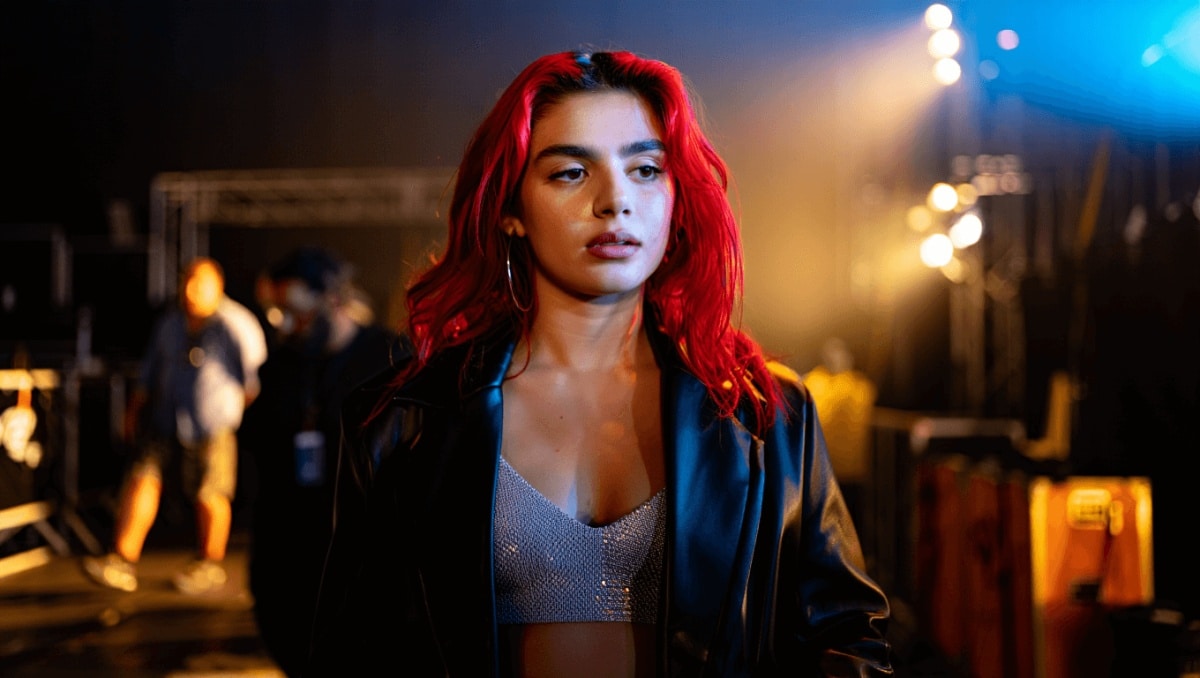
Charli paints an image of being perpetually between places. Much of the job happens in transitional, often lifeless settings that strip context from your life.
Examples of these liminal spaces
- Airport lounges and visa lines.
- Tight, windowless greenrooms and tour buses.
- Understage areas, set builds and holding rooms at events.
These waiting rooms can make fame feel dislocating. She calls attention to how much of being famous is simply waiting.
Boxes, Backlash and the Gendered Culture of Criticism
Charli explores how public expectations box artists into fixed identities. When performers deviate, audiences and commentators can quickly turn hostile.
She links much of that backlash to broader cultural forces. In her view, resentment toward successful women is amplified by ingrained social biases.
- Success can trigger surprising anger in others.
- Fans and media demand consistency and penalize change.
- Gendered double standards shape public reactions.
She suggests this is rooted in patriarchal conditioning that trains people to distrust or punish women who step outside prescribed roles.
Reality, Persona and the Rising Moral Expectations in Music
Charli questions the new insistence that artists must always be earnest and morally transparent. She finds this shift restrictive.
For her, part of an artist’s value lies in fantasy—charged performance, invented characters or even deliberate fiction. That sense of escape mattered when she was younger, she says, and still matters now.
She champions risk and theatricality over a culture that equates fame with constant moral accountability.
Why Substack Became Her Chosen Outlet
Choosing Substack to air these reflections gives Charli room to expand beyond short interviews or headline-driven pieces. It lets her sketch the contradictions of celebrity on her own terms.
Her writing reads like a backstage conversation: candid about ego and craft, skeptical about the industry’s new rules, and protective of the imaginative space artists offer their audiences.










