

Show summary Hide summary
From Manchester’s sharp-edged guitar pop to the feedback-heavy sound of Scotland’s underground, a handful of British bands reshaped what independent rock could be. Their records gave later musicians a blueprint for mixing atmosphere, memorable melodies and a refusal to follow the mainstream. Three acts in particular helped carry post-punk into the heart of indie rock.
The Smiths made introspective guitar pop feel radical
Formed in Manchester in 1982, The Smiths brought together singer Morrissey and guitarist Johnny Marr in a partnership that changed the sound of British guitar music. Their songs paired vivid, often wry lyrics with bright, intricate arrangements that stood apart from the era’s dominant synth-pop and stadium rock.
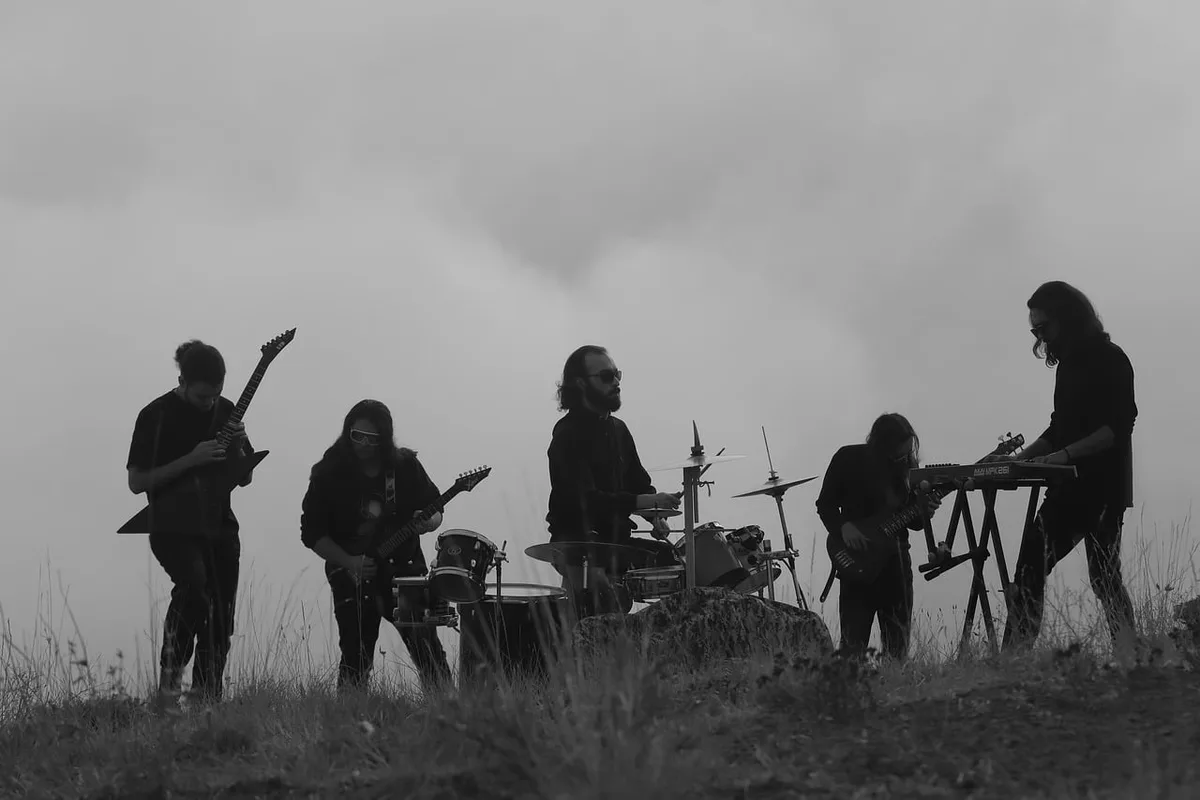
Marr’s guitar work was central to the band’s identity. Instead of relying on heavy distortion, he built layered parts from chiming chords, melodic runs and carefully shaped rhythms. The result gave songs such as “This Charming Man” and “What Difference Does It Make?” a distinctive energy without sacrificing their pop appeal.
KATSEYE postpones another concert: illness details remain undisclosed
Cupertino: a stylish legal drama packed with tech twists
The group also helped establish the idea that an independent band could build a devoted following on its own terms. Their albums and singles became touchstones for musicians drawn to personal lyrics and inventive guitar writing. The Smiths’ influence can be heard across decades of indie rock, from jangling guitar bands to artists who place emotional candor at the center of their songs.
Echo & the Bunnymen turned post-punk into widescreen rock
Liverpool’s Echo & the Bunnymen emerged at the end of the 1970s and developed their sound throughout the 1980s. Singer Ian McCulloch, guitarist Will Sergeant, bassist Les Pattinson and drummer Pete de Freitas built music that could feel both mysterious and expansive.
Sergeant’s guitar parts often created a shifting atmosphere rather than a simple chord bed. McCulloch’s resonant voice gave tracks such as “The Killing Moon” a dramatic center, while the band’s arrangements moved between tension and release. Their songs were recognizably rooted in post-punk, yet they also reached toward grand, melodic rock.
That balance proved influential for indie musicians looking to make atmospheric music with strong hooks. Echo & the Bunnymen showed that mood did not have to come at the expense of memorable songwriting. Their work helped shape later alternative rock, especially bands that blended shadowy textures with ambitious arrangements.
The Jesus and Mary Chain brought noise into indie pop
When The Jesus and Mary Chain arrived from Scotland in the early 1980s, they made feedback and distortion part of the hook. Brothers Jim and William Reid formed the band in East Kilbride in 1983, drawing on pop melodies as well as the abrasive edge of post-punk.

Their 1985 debut album, Psychocandy, became a landmark for its collision of sweet, concise songs with walls of guitar noise. Tracks such as “Just Like Honey” reveal the contrast at the heart of the group’s approach: a tuneful vocal and melody set against a rough, buzzing backdrop.
The band’s influence extended well beyond its own records. Their use of feedback helped open a path for noise pop and shoegaze, while their concise songwriting kept the music connected to classic pop. For later indie bands, The Jesus and Mary Chain offered a striking lesson: distortion could be more than an effect. It could define a song’s entire emotional world.
Three different routes from post-punk to indie rock
These bands did not share one uniform sound. The Smiths favored intricate guitar pop, Echo & the Bunnymen leaned into atmosphere and scale, and The Jesus and Mary Chain made abrasive noise part of their melodic language.
Together, they expanded the possibilities for independent guitar music. Their records showed future artists that indie rock could be intimate or dramatic, polished or deliberately raw, while remaining unmistakably personal. That range is one reason their music still resonates with listeners discovering British post-punk and alternative rock today.










