
Show summary Hide summary
- Deal announced: who bought Slipknot’s catalogue
- Band reaction and plans to expand the brand
- HarbourView’s pitch: culture, data and long-term stewardship
- How much revenue the catalogue produced
- Who still controls the master recordings
- What this means for fans and future releases
- Key dates and context for the acquisition
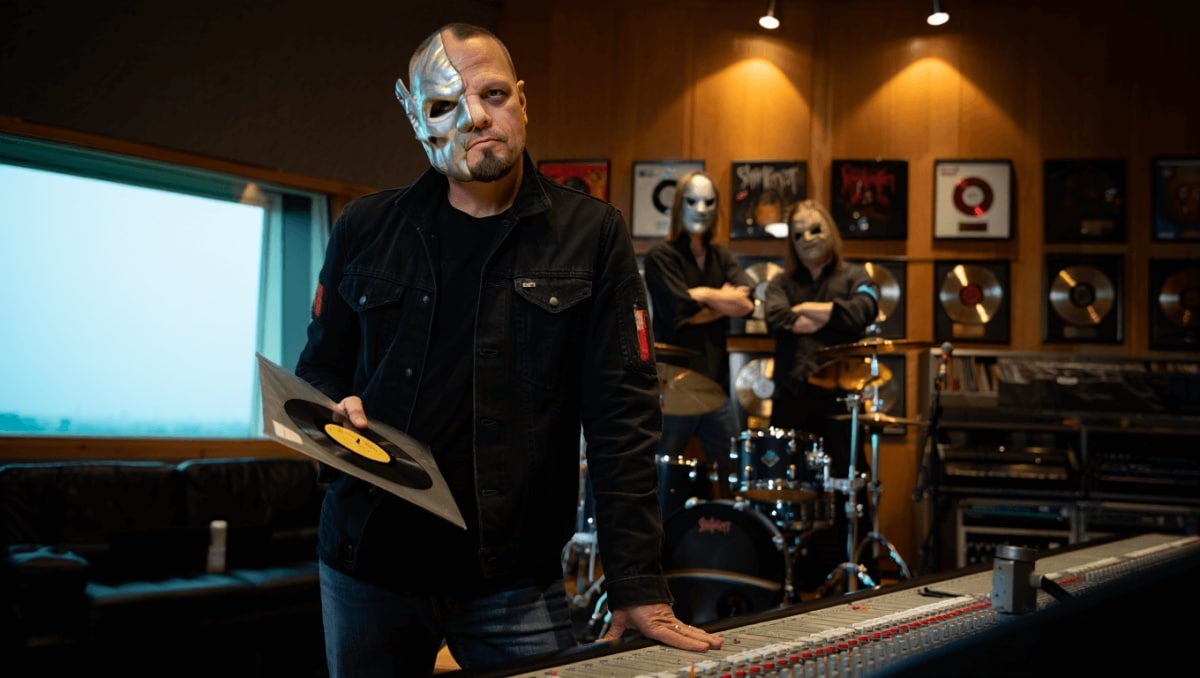
Slipknot has confirmed a major shift in how its back catalogue will be managed, agreeing to sell a majority stake in publishing and royalty rights to a private equity firm. The move has stirred industry talk about valuation, control, and what it means for the band’s next chapter.
Deal announced: who bought Slipknot’s catalogue
According to reporting by The Hollywood Reporter, HarbourView Equity Partners has completed a transaction that transfers most publishing and royalty rights to the firm. The parties involved have kept the purchase price private.
Nas slams music industry over disrespect: teases new music, vows to address it
1992 vocal performances: 3 jaw-dropping moments that still amaze
- Buyer: HarbourView Equity Partners
- Rights sold: Majority stake in publishing and royalty streams
- Price: Not publicly disclosed, though prior estimates placed the catalogue value near $120 million
Band reaction and plans to expand the brand
Slipknot’s founding percussionist Shawn “Clown” Crahan issued a statement about the partnership. He said the band found a partner aligned with its vision and that the new team aims to take Slipknot’s reach further.
Clown’s takeaway: the band expects growth under the new arrangement and closed his message with the rallying call, “Hail The Knot.”
HarbourView’s pitch: culture, data and long-term stewardship
Sherrese Clarke, founder and CEO of HarbourView, framed the purchase as cultural investing. She told the press the company sees measurable audience engagement and enduring influence across decades.
HarbourView’s goal: preserve the catalog while amplifying its cultural footprint for future generations.
How much revenue the catalogue produced
Industry analysis has tried to quantify the catalogue’s cash flow before the sale. Billboard provided estimates based on streaming figures and other metrics.
- Recordings estimated to generate about $15.5 million per year over recent years
- Publishing income estimated at roughly $5.2 million annually
- Taken together, the portfolio produced a multi‑million dollar yearly haul
Who still controls the master recordings
Slipknot’s master recordings remain under the control of Warner Music Group. WMG acquired Roadrunner Records in 2007, and Roadrunner has been the label home for Slipknot’s releases.
Earlier coverage suggested the band might keep publishing rights. This new agreement indicates they have sold at least part of those publishing interests.
What this means for fans and future releases
The sale transfers legacy revenue streams, but it does not stop new creative work. Band members say fresh material is in development.
- New drummer Eloy Casagrande told Drummer’s Review that the group is working on material.
- Casagrande emphasized plans are not finalized, but confirmed, “we are cooking” new songs.
Key dates and context for the acquisition
The announcement follows months of speculation and reporting. The transaction adds Slipknot to a growing list of artists monetizing catalogues as investment firms buy music rights.
Industry context: catalog deals have become a common way for legacy acts to unlock value and for investors to secure predictable revenue.










