
Show summary Hide summary
- Why Corona Capital still feels distinct in the festival world
- Standout nights and headline moments that grabbed attention
- How the festival managed food, flow, and on-site comfort
- Artists onstage: variety, respect, and crowd chemistry
- Why Mexican fans matter: energy, attention, and engagement
- Programming choices: nostalgia, mid-aughts throwbacks, and modern balance
- Voices from the stage: what artists said about playing Mexico City
- Challenges ahead: aging lineups and the search for new blood
- Where Corona Capital sits in the global festival map
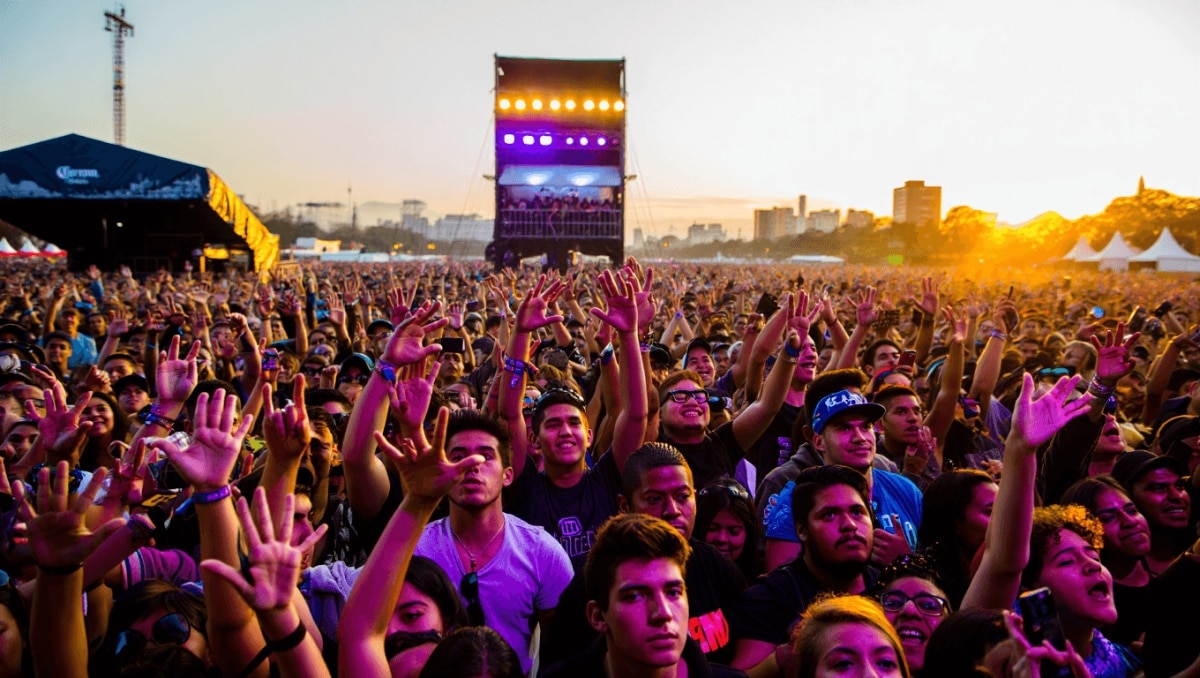
Mexico City’s Corona Capital has carved its own lane among international festivals. Rather than chasing viral moments or a catch-all pop bill, the event stays true to alternative and indie rock roots. That focus drew passionate crowds, big-name legacy acts, and a few unexpected pop-theater moments that made the weekend feel both familiar and fresh.
Why Corona Capital still feels distinct in the festival world
While many North American festivals favor broad, mainstream lineups, Corona Capital leans into a consistent musical identity. The festival’s DNA favors guitar-driven bands, alt-indie acts, and artists with cult followings. That clarity allows it to build trust with fans who seek a specific vibe.
Nas slams music industry over disrespect: teases new music, vows to address it
1992 vocal performances: 3 jaw-dropping moments that still amaze
- Location advantage: Mexico City is a dense, music-hungry market.
- Curatorial focus: programming that favors rock, indie, and alt sounds.
- Local reputation: 15 editions strong, with growing prestige.
The result is a festival that feels curated, not assembled.
Standout nights and headline moments that grabbed attention
Not every headliner was expected, and that was part of the appeal. A recent Saturday night booking turned many heads: Chappell Roan, a pop star with a theatrical edge, closed a night before 75,000 people. Her set mixed pop spectacle with rock attitude, and she honored local traditions by nodding to Día de los Muertos in her staging.
Legacy rock names also commanded the weekend. Acts with deep followings, from arena-ready rockers to veteran indie bands, drew large, vocal crowds. The festival blended nostalgia with contemporary buzz, giving long-time acts room to shine and newer favorites a chance to expand their reach.
- Big-name rock veterans kept the energy high.
- Younger acts brought fresh production and theatricality.
- Twilight and late-night slots were used strategically to honor certain bands.
How the festival managed food, flow, and on-site comfort
Corona Capital paid attention to more than just music. Food and concessions were placed thoughtfully across the grounds, so fans rarely had to stray far from stages to eat or grab a drink.
- BurgerLandia: a compact burger area curated by influencer-chef Marcello Lara.
- Distributed vendors: stalls placed every 50 feet or so to reduce walks and queues.
- Accessible layout: stage placement and vendor location encouraged continuous engagement.
These small logistical choices had a big effect. Fans stayed close to performances and returned quickly after breaks, keeping momentum onstage and off.
Artists onstage: variety, respect, and crowd chemistry
The lineup mixed decades and genres. Long-established bands shared billing with later-generation indie and electronic artists. That balance offered nostalgic catharsis and introduced newer sounds to an attentive crowd.
Veteran performers
- Acts that defined the 90s and 2000s drew devoted audiences.
- Many of these bands have toured Mexico for years and have loyal fan bases.
Contemporary voices
- Indie and electronic artists brought intimacy and modern production values.
- Some recent breakthrough performers added theatrical shows to the bill.
Bands often remarked on the crowd’s energy. Musicians described the audience as focused and eager, willing to sing, dance, and participate in ways that elevated the performances.
Why Mexican fans matter: energy, attention, and engagement
One recurring theme was the caliber of the audience. Performers across styles noted a distinct difference between Mexican crowds and those elsewhere.
- Fans arrive early and stay engaged during sets.
- They respond loudly and passionately to favorites.
- Online followings from Latin America show sustained enthusiasm beyond single shows.
That enthusiasm feeds artists. Musicians often said the crowd’s participation made their sets more rewarding and memorable.
Programming choices: nostalgia, mid-aughts throwbacks, and modern balance
The bill leaned toward the 1990s and early 2000s, but it also reached into the 2010s. This mix created moments of recognition and discovery.
- Nostalgic bookings tapped into established fanbases.
- Mid-2010s acts added a slightly newer flavor.
- Curatorial risk: blending eras without diluting the festival’s identity.
For bands that tour global festivals, the event’s scale and production often felt comparable to major international gatherings. Some performers noted how the site resembled large festival setups elsewhere, while still retaining a regional personality.
Voices from the stage: what artists said about playing Mexico City
Musicians shared similar impressions. They praised the attentive nature of the audience and the palpable excitement in the air.
- Artists felt welcomed and energized by crowd reactions.
- Many noticed how fans’ passion translates into singalongs and intense participation.
- Touring acts appreciated the festival’s organization and atmosphere.
These responses reinforced the festival’s reputation as a destination where performers feel heard and supported.
Challenges ahead: aging lineups and the search for new blood
The festival’s rock-centric identity is a strength and a future puzzle.
- Many headline acts come from previous decades.
- Fewer young international rock bands appeared on this edition’s bill.
- Promoters will need to balance legacy names with rising talent.
How organizers refresh the lineup while keeping the core audience engaged will be one of the festival’s next big tests.
Where Corona Capital sits in the global festival map
Corona Capital stands among Latin America’s most notable music gatherings. It competes on a global scale thanks to a clear musical voice and a large, passionate audience. That presence has encouraged international acts to view Mexico City as a must-play market.
- Its identity sets it apart from one-size-fits-all festivals.
- It attracts both legacy acts and adventurous newer performers.
- Infrastructure and fan culture support ambitious programming choices.
The festival keeps growing in reputation, even as the industry around it evolves.










