
Show summary Hide summary
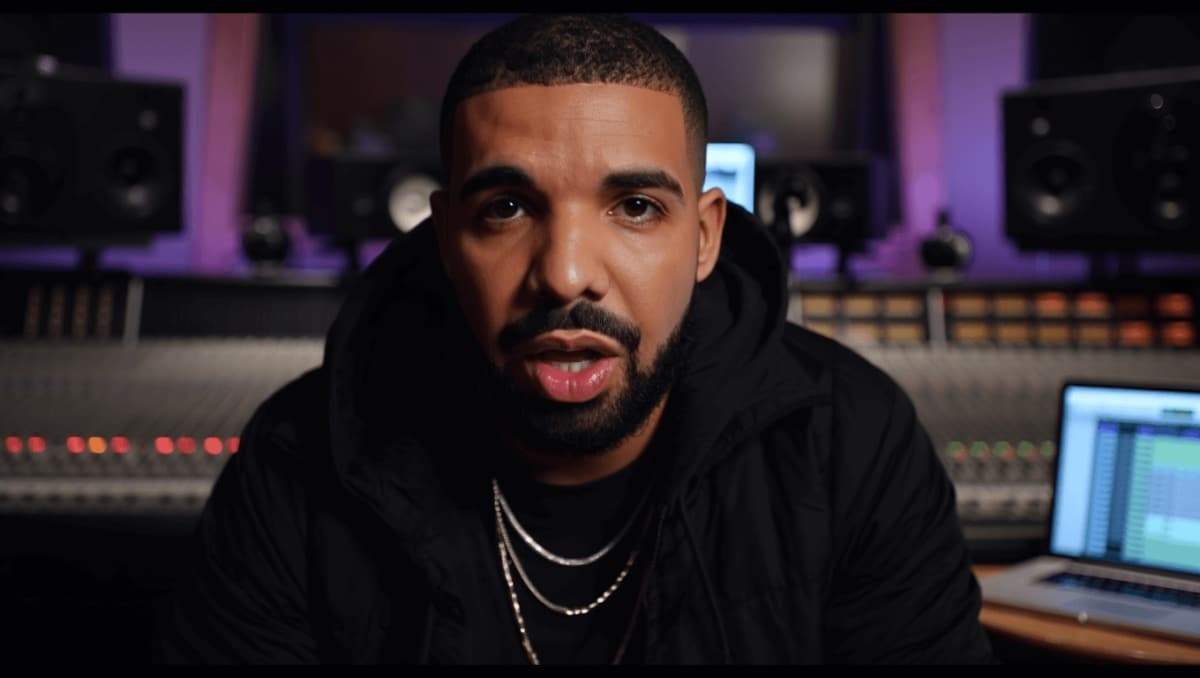
Top musicians are reinventing how they reach fans, and Drake’s latest experiment proves it. Ahead of his new album Iceman, the Canadian superstar has taken promotion out of the usual playbook and into live streams, pop-up events and unconventional spaces. The move signals more than a gimmick; it reflects a wider shift in how artists use platforms like YouTube, Twitch and Kick to shape narratives and test material directly with audiences.
Why livestreams are replacing the old album roadmap
Traditional rollouts once followed a predictable path: singles, videos, presave campaigns, and then an album drop. That pattern still works. But many artists now seek fresh ways to connect.
Nas slams music industry over disrespect: teases new music, vows to address it
1992 vocal performances: 3 jaw-dropping moments that still amaze
- Streaming platforms let musicians interact with fans in real time.
- Live events create immediacy and buzz that a scheduled release can’t match.
- Data from streams offers instant feedback on new tracks.
- Platforms expand reach without relying only on radio or playlist gatekeepers.
For major acts, the appeal is creative as much as commercial. With fewer new rules to follow, artists can turn promotion into performance, narrative and experiment.
How Drake reimagined the Iceman rollout
Drake told Complex he grew tired of the same sequence of promotional moves. He wanted a reset. Rather than staging another formulaic campaign, he leaned into streaming and live formats.
His rollout tactics include:
- Streaming sessions on YouTube rather than only posting singles.
- Taking streams to warehouses and on the road to build atmosphere.
- Debuting songs live to gauge fan reaction before finalizing the album plan.
He framed the strategy as a creative risk. Drake said the current music landscape felt too calm, and a live-stream approach was the right blend of challenge and reward.
Testing the waters: storytelling through streams
Drake’s streams function as more than a song premiere. They act as chapters in a larger narrative for Iceman. Each live appearance becomes a controlled experiment.
- Reveal a song, measure responses, then iterate.
- Build suspense with unannounced or unusual venues.
- Mix performance, visuals and commentary for layered storytelling.
These moments let the artist shape expectations and keep fans engaged between official releases. Fans see the creative process play out in near real time.
What this means for promotion and the music industry
Drake’s pivot highlights broader changes in music marketing. Labels and artists are less bound to old rhythms. The shift matters for several reasons.
- Streaming events can democratize buzz. Viral moments no longer need big-budget ads.
- Live formats expose songs to organic fan reaction, valuable for playlist and radio strategies.
- Artists regain narrative control by choosing how and where to present material.
He’s not doing it for cash alone. Observers note Drake’s wealth and status mean this is a creative choice, not a financial necessity. The move is about staying energized and avoiding repetition.
Balancing risk and reward in live rollouts
Converting an album campaign into live streams carries trade-offs. The payoff can be big, but the approach invites unpredictability.
- Risks:
- Technical glitches can derail a live reveal.
- Negative immediate feedback can spread quickly.
- Overexposure risks diluting the album’s impact.
- Rewards:
- Stronger fan loyalty from shared, exclusive moments.
- Authentic engagement that data-driven ads can’t buy.
- New creative directions uncovered through audience input.
Drake has weighed those factors and opted for experimentation. He prefers to possibly fail loudly than to repeat a tired pattern.
Where artists go from here: coexistence with new ecosystems
Drake emphasized adaptability. He said he watches trends without falling into envy or desperation. The goal is to coexist with evolving platforms and use them to shine.
That attitude signals a pragmatic shift. Major artists no longer must reject new channels. Instead, they can fold them into broader strategies that include traditional releases, tours, and immersive live events.










