
Show summary Hide summary
- Why laughter is at the center of her campaign
- How a short clip made her a household name
- Policy substance beneath the punchlines
- Voter reactions: from amusement to engagement
- Opponents and pundits weighing in
- The role of local media and community events
- Lessons for future campaigns in the digital era
- What to watch as the race unfolds
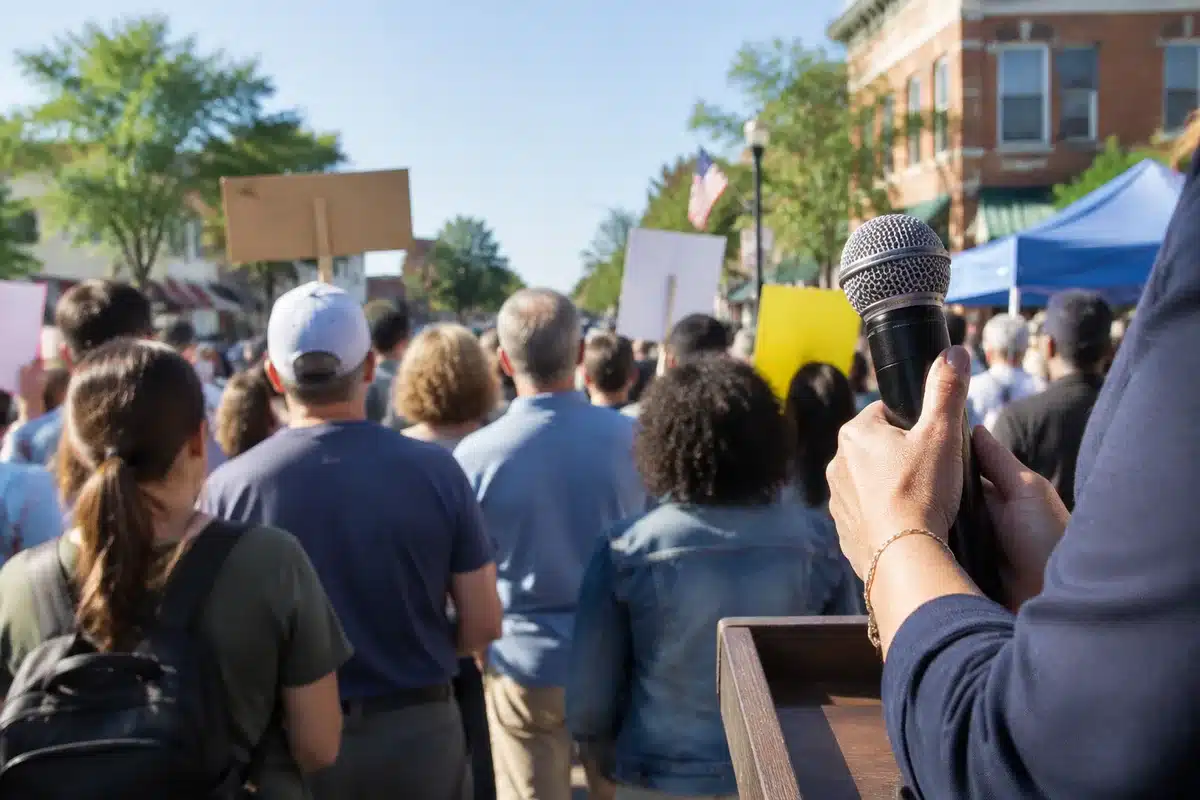
In a state more often associated with midwestern sober politics, one unexpected candidate is rewriting the script. A local woman running for office in Indiana has turned campaign events into must-see community performances, blending sharp humor with grassroots organizing. Her rise from relative obscurity to viral sensation has left both opponents and political observers pondering whether laughter can become a potent tool at the ballot box.
Why laughter is at the center of her campaign
She started with a simple idea: talk to voters like a neighbor, not a politician. That tone resonated.
KATSEYE postpones another concert: illness details remain undisclosed
Cupertino: a stylish legal drama packed with tech twists

- She uses plain language to explain policy.
- Her speeches include riffs and self-deprecating jokes.
- Voters say her humor makes difficult issues feel relatable.
Her strategy isn’t gimmicky: it lowers barriers and invites conversation. People who might skip a rally find themselves staying to listen.
How a short clip made her a household name
A 30-second video shared on social platforms changed the campaign overnight.
The viral moment
In the clip she gently lampoons political jargon, then pivots to concrete commitments. The edit was tight, the timing perfect, and the comments poured in.
What happened next
- Views surged into the millions within days.
- Local news picked up the story, expanding its reach.
- Volunteer sign-ups and small-dollar donations spiked.
Online attention translated into real-world momentum: town halls filled, phone banks grew, and neighborhood canvasses gained new energy.

Policy substance beneath the punchlines
Despite her comedic delivery, the campaign stresses detailed plans. Voters repeatedly praise her ability to explain proposals clearly.
- On education, she connects classroom needs to budget realities.
- On infrastructure, she outlines projects with timelines and funding ideas.
- On healthcare, she focuses on access and affordability in plain terms.
Her talking points pair humor with specifics, signaling to skeptical voters that style and substance can coexist.
Voter reactions: from amusement to engagement
People who came for the jokes often stayed for the policy talk. Volunteers describe a shift: attendees are asking more questions and signing up to help.
- Older voters appreciate the candor and clarity.
- Younger voters share clips and bring friends to events.
- Undecided voters report feeling more informed after brief conversations.
Feedback shows humor opened doors, but it was follow-through that kept them interested.
Opponents and pundits weighing in
Reactions from rivals vary. Some dismiss the approach as entertainment. Others adapt by improving outreach and messaging.
- Critics argue comedy could overshadow policy.
- Analysts note that authentic voices can be persuasive.
- Some challengers adjust tactics to be more conversational.
For many observers, the real story is not the jokes, but the campaign’s ability to convert attention into action.
The role of local media and community events
Local reporters amplified the narrative by profiling town halls and interviewing neighbors. Offline engagement became as important as social shares.
- School visits and farmers’ markets offered natural stages.
- Small events created organic content for social feeds.
- Community endorsements helped build trust.
That mix of online virality and face-to-face meetings gave the campaign resilience beyond trending topics.
Lessons for future campaigns in the digital era
Her run offers a playbook for candidates hoping to stand out. Key takeaways include clarity, authenticity, and strategic use of humor.
- Speak plainly about policy.
- Use humor to invite, not to distract.
- Turn online interest into offline action.
Campaigns that combine personality with organization are more likely to convert curiosity into votes.
What to watch as the race unfolds
Expect more viral clips, policy deep dives, and local endorsements. The campaign’s challenge will be sustaining attention and proving electability.
- Will the initial momentum translate into consistent poll gains?
- Can the campaign scale operations while keeping its voice?
- How will opponents respond as the race tightens?
The coming weeks will reveal whether wit alone wins supporters, or whether organizational strength seals the outcome.










