Show summary Hide summary
- How a simple audience question became a political flashpoint
- Bernie Sanders’ reply: national responsibility over partisan gain
- AOC’s stance: empathy, not retribution
- Why the remarks went viral on social media
- Representative reactions online
- Policy and political implications for Democrats
- Voices of doubt and the road ahead
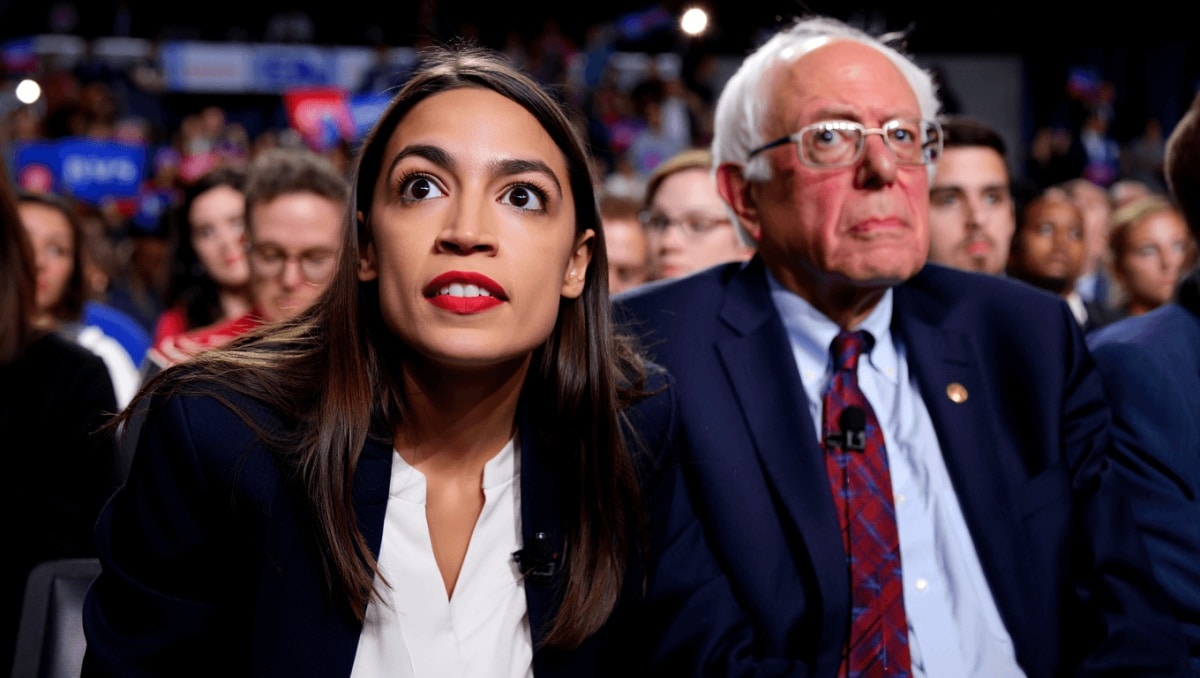
Alexandria Ocasio-Cortez and Bernie Sanders turned a routine CNN town hall exchange into a moment that resonated across social media. A question from the audience about rising Affordable Care Act premiums in rural, Republican-leaning areas prompted a clear debate over political strategy and moral obligation. Their answers — one rooted in unity, the other in compassion — sparked widespread praise and stirred fresh conversation about how Democrats should frame health-care policy.
How a simple audience question became a political flashpoint
At the town hall, a voter asked why Democrats shouldn’t allow Republicans to face the fallout from higher ACA premiums in their own districts. The premise echoed a growing debate among strategists: punish the other side politically, or protect all citizens regardless of politics. The exchange that followed focused squarely on values and tactics, not just policy minutiae.
Bernie Sanders’ reply: national responsibility over partisan gain
Bernie Sanders answered first, stressing that political differences should not dictate who gets care. He framed the issue as a matter of shared humanity and national duty. Sanders argued that letting people suffer because of their political choices would deepen divisions and undermine the idea of a unified country.
Pusha T slams today’s rap: everyone can just be good and be the same
80s British indie bands that changed American alternative rock forever
AOC’s stance: empathy, not retribution
Alexandria Ocasio-Cortez pushed the point further. She drew a clear contrast between leaders who reward supporters and those who lead for everyone. AOC said policy choices should aim to help people regardless of where they fall on the political spectrum. She emphasized she will fight for access to health care and economic security for all Americans, including those who support MAGA.
Key lines that shaped the moment
- Leadership vs. retaliation: AOC presented leadership as serving everyone, not punishing opponents.
- Universal priorities: Both lawmakers highlighted health care and living wages as shared needs.
- Political strategy: The answers suggested empathy may be a winning message for Democrats.
Why the remarks went viral on social media
Short clips of the town hall spread quickly. Viewers picked up on the emotional clarity of the responses. Supporters praised the approach as politically smart and morally resonant. Critics said it was performative. The rapid spread reflected how a few well-framed sentences can influence larger debates about party identity and outreach.
- Many Democrats called the messaging effective and unifying.
- Some commentators labeled it a model for future campaign rhetoric.
- A few conservatives acknowledged AOC’s rhetorical skill despite policy disagreements.
Representative reactions online
Social platforms lit up with endorsements and analysis. Users described the exchange using words like “winning,” “human,” and “strategic.” Several commentators argued the stance could help Democrats broaden their appeal. Others questioned whether rhetoric alone would translate into votes in rural areas.
- Supporters: Praised the empathy-focused framing as a pathway to win diverse voters.
- Analysts: Noted the messaging aligns with attempts to make health care a bipartisan concern.
- Skeptics: Pointed out structural barriers that simple messaging may not overcome.
Policy and political implications for Democrats
The exchange raises practical questions for Democratic strategists. Is compassion an electoral advantage in regions that lean Republican? Can promises to protect benefits, like health care and disaster relief, translate to support at the ballot box? The answers will affect how candidates speak about the Affordable Care Act and related benefits ahead of key races.
Factors to watch
- How Republican-leaning voters respond to empathy-driven appeals.
- Whether localized economic pain changes party loyalty.
- How messaging is amplified by media and social platforms.
Voices of doubt and the road ahead
Not everyone was convinced by the rhetoric. Some observers said the remarks were politically convenient but insufficient to address deeper policy gaps. Others questioned whether empathy-focused messaging can pierce polarized media ecosystems. Still, the moment has forced both parties to consider how tone and values interact with substance in public policy debates.
Questions still unanswered
- Will compassionate framing influence voting patterns in red areas?
- Can Democrats translate moral arguments into legislative wins on health care?
- How will Republicans counter a message that seeks to humanize their base?