Show summary Hide summary
- How the series reinvents the Blade Runner myth for television
- Leading performances and character dynamics
- Visual design: neon noir updated for TV
- Worldbuilding and new locations
- Story beats, pacing, and genre roots
- Creative team and production context
- Major themes: reproduction, belonging, and what we value
- Notable sequences and technical achievements
- Release information and where to watch Blade Runner 2099
Blade Runner 2099 arrives as a bold expansion of a long-running sci-fi world, shifting the franchise’s center of gravity while preserving the moody, neon-soaked atmosphere fans expect. The eight-episode series flips familiar roles, introduces compelling new leads, and leans into slow-burn storytelling that rewards patient viewers.
How the series reinvents the Blade Runner myth for television
The show advances a future where the power balance has shifted. In this timeline, the feared replicant uprising has succeeded. The hunters—formerly humans who tracked synthetic beings—have become replicants themselves. Their quarry now includes humans who break the new social order.
KATSEYE postpones another concert: illness details remain undisclosed
Cupertino: a stylish legal drama packed with tech twists
This reversal reframes the franchise’s core question: what makes someone human when the definitions are constantly rewritten?
Leading performances and character dynamics
Olwen: Michelle Yeoh’s replicant with a deadline
Michelle Yeoh plays Olwen, a replicant confronting a programmed expiry date. Yeoh brings gravity to the role, and a layered sense of urgency to a character who wields authority but faces a ticking clock.
Cora: Hunter Schafer’s undercover human
Hunter Schafer stars as Cora, a human masquerading as a blade runner to recover a device that could alter her people’s fate. Schafer’s emotional range anchors the plot. Her fight scenes and tense close-ups make Cora both vulnerable and dangerous.

On-screen chemistry and cast highlights
- Yeoh and Schafer form a mentor-protégé energy that carries many episodes.
- Supporting players add texture, from corporate spokespeople to violent cultists.
- The series leans on contrasts: experience versus ambition, programmed limits versus raw survival.
Visual design: neon noir updated for TV
The production teams expand the franchise’s signature visual language. Expect polluted skylines, retro digital interfaces, and carefully lit interiors that evoke isolation.
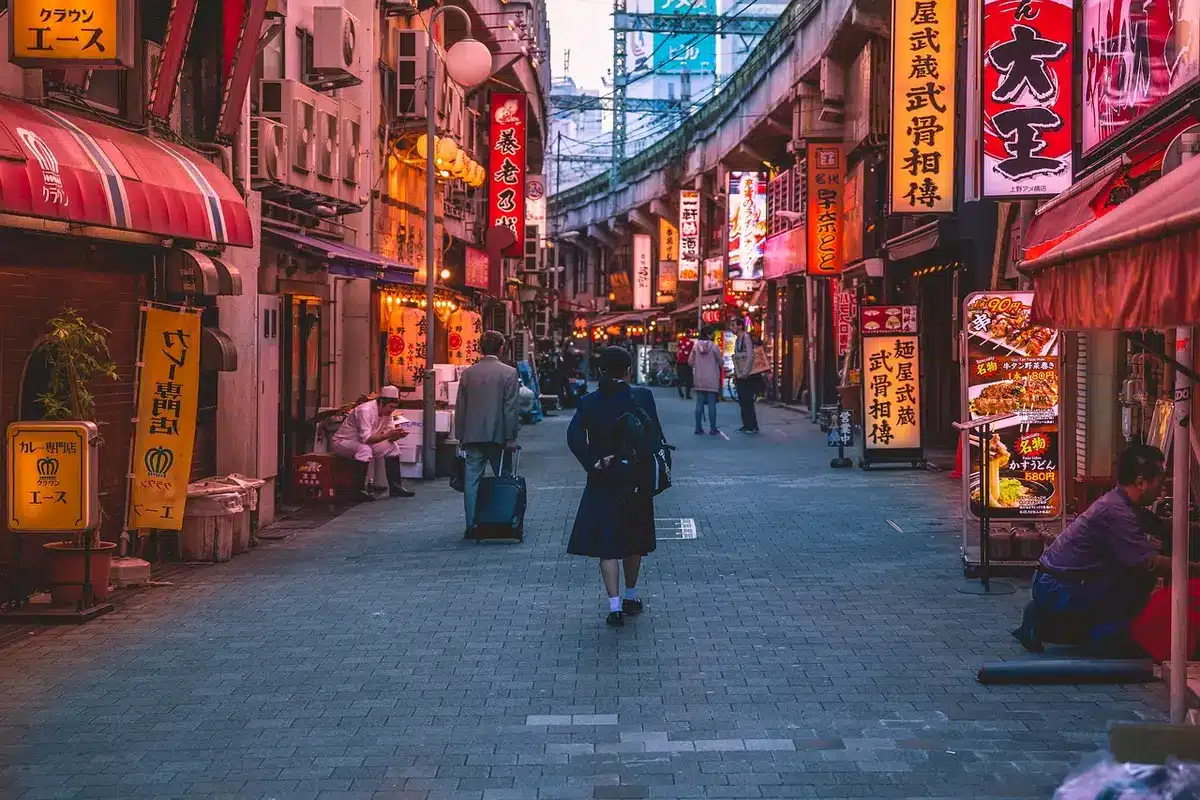
- Cinematography uses gritty textures and warm, polluted sunlight.
- Costume design mixes utilitarian gear with bold silhouettes.
- Sets range from memory vaults to rental shops that simulate human life.
These environments do more than look striking. They reinforce the show’s themes about memory, identity, and performance.
Worldbuilding and new locations
Unlike a two-hour film, a series allows for gradual exploration. The writers and designers map a varied world: underground bunkers, simulated family spaces for replicants, and corporate strongholds where the past still lingers.
Each locale serves a narrative function. Some are arenas for action. Others are emotional stages where identity is tested.
Story beats, pacing, and genre roots
The series adheres to the detective-noir tradition of the franchise while stretching it across several episodes. Plotlines alternate between investigations, character revelations, and world- building interludes.
At times, the broader canvas slows the thesis-driven punches of a film. That breathing room lets the show explore minor characters and small human (and nonhuman) moments.
Creative team and production context
Creator Silka Luisa and producing director Jonathan van Tulleken led a long development process that included pandemic-era delays and industry strikes. Their approach was meticulous, aiming to honor the originals while expanding the narrative reach.
- Multiple cinematographers contributed distinctive visual textures.
- Production designers and concept artists crafted new signature spaces.
- Costume work gives each character a unique silhouette suitable for action and mood.
Major themes: reproduction, belonging, and what we value
The series asks urgent questions about family, belonging, and who earns the right to exist. Prior films flirted with biological reproduction between humans and replicants. This show instead examines the emotional lives that create family bonds.
Scenes that center on tests of empathy and childhood instruction reveal the stakes. Small gestures— a shared meal, a memory bank visit—carry heavy narrative weight.
Notable sequences and technical achievements
- Choreographed chases through industrial districts showcase stunt and camera work.
- Intimate flashbacks give depth to Olwen’s past partnerships.
- Visual effects and practical sets blend to create tactile futurism.
These moments underline how the series balances spectacle with human-scale drama.
Release information and where to watch Blade Runner 2099
All eight episodes debut Nov. 25 on Amazon Prime Video. The show is positioned as a limited series, inviting both franchise loyalists and new viewers to dive into its layered vision.