
Show summary Hide summary
- How the show reframes the FTX scandal for mainstream viewers
- Two timelines: beginnings and unraveling
- Central characters: Sam Bankman-Fried and Caroline Ellison
- Supporting cast and notable turns
- Effective altruism as a plot engine
- What the series emphasizes — and what it sidelines
- Ethical tension: charm versus culpability
- Visual and tonal strengths
- Where the adaptation succeeds
- Where the drama falls short
- Key themes to watch for while streaming
- Who should watch The Altruists
Netflix’s new eight-part drama The Altruists retells the FTX collapse as an intimate, at times romantic, character study. The series folds a major financial scandal into a love story between Sam Bankman-Fried and Caroline Ellison, aiming to explain greed, ambition and ideology through the people who built the empire and then watched it burn.
How the show reframes the FTX scandal for mainstream viewers
The series reimagines the real-world headlines as personal drama. Rather than foregrounding legal and economic fallout, it centers on the bond between the platform’s co-leaders. This creative choice makes the story feel immediate and human. It also narrows the frame.
KATSEYE postpones another concert: illness details remain undisclosed
Cupertino: a stylish legal drama packed with tech twists
The Altruists prioritizes emotion over forensic detail. The drama asks viewers to track how affection, rivalry and mutual reinforcement can escalate risky choices into catastrophic failure.
Two timelines: beginnings and unraveling
The narrative alternates between the hopeful early days and the chaotic end. One thread follows the early partnership, when ambition and intellect spark a rapid rise. The other catches the aftermath, as mistakes and secrecy collapse into public ruin.
The device allows contrast: the youthful energy that launched FTX and Alameda, and the later scramble to conceal losses. The shift in tone shows how similar temperaments evolve into very different outcomes.
Stylistic approach and pacing
Director James Ponsoldt leans into warm, indie visuals for the origin scenes. Bright, slightly grainy cinematography paints the first meetings as buoyant and almost romantic. The later episodes grow sterner, reflecting the tightening pressure on the founders.

Central characters: Sam Bankman-Fried and Caroline Ellison
At the story’s core is the partnership between its two principals. The series depicts their intellectual match, shared values and the emotional push-and-pull that shaped their decisions.
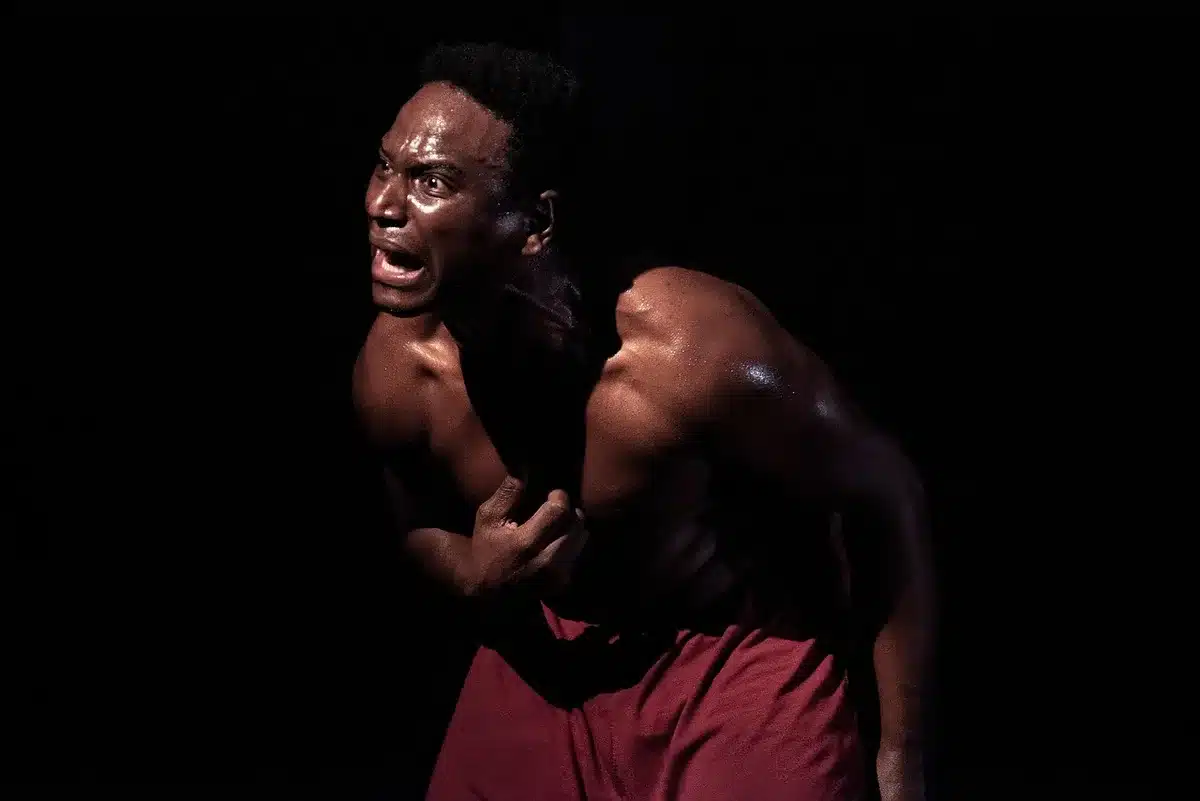
Performances make the relationship plausible on screen. Anthony Boyle portrays Sam with a blend of youthful bravado and moral evasiveness. Julia Garner plays Caroline as inward and keenly observant, a figure who sees patterns others miss.
The chemistry between the leads is written as magnetic and dangerous. Scenes that might feel mundane in another show — a meeting, a spreadsheet review — become charged with attraction and competition.
Supporting cast and notable turns
The drama fills out the world with colleagues and rivals whose moments illuminate the main story.
- Karan Soni brings warmth as an engineer caught in the fallout, with a subplot that humanizes the collateral damage.
- Paul Reiser and Robin Weigert appear briefly as parental figures, offering dry observations about their son.
- Terry Chen plays a rival crypto figure with theatrical relish, hinting at wider industry eccentricities.
Effective altruism as a plot engine
Effective altruism—a movement committed to maximizing good outcomes—appears as the philosophical backbone for the founders. The show examines how a principled idea can be bent into justification for risky or unethical acts.
On screen, the ideal becomes a lens through which risky behavior is rationalized. The drama explores that slippage: when a lofty cause gives cover for actions that harm real people.
What the series emphasizes — and what it sidelines
The Altruists leans into personal motives and romantic dynamics. That focus yields a compelling human story but leaves gaps in the public-accountability elements of the scandal.
- Large financial losses are referenced often, but the identities and experiences of affected customers are rarely explored.
- The show touches on industry enablers but does not deeply interrogate regulatory or systemic causes.
- Legal consequences and broader economic impact receive less screen time than interpersonal consequences.
The result is a series that explains why the founders fell, but less thoroughly why their collapse mattered beyond their personal circle.
Ethical tension: charm versus culpability
The series thrives on tension between charisma and culpability. It asks a difficult question: how do you feel about brilliant, likable people who commit large-scale harm?
That moral muddle is intentional. By inviting sympathy for the protagonists, the show makes viewers confront how charm can mask danger. Yet this approach risks minimizing the scale of the harm.
Visual and tonal strengths
The production finds a balance between dramatic intimacy and satirical beats. Costume and production design emphasize the tech-startup aesthetic. Editing often frames business decisions as personal gambits.
These choices make the series engaging. The show feels cinematic even when the subject is spreadsheets and balance sheets.
Where the adaptation succeeds
- It humanizes complex figures without fully exonerating them.
- Strong lead performances make the emotional core believable.
- It captures how ideology and romance can entangle in high-stakes tech culture.
Where the drama falls short
When a show compresses a headline-making fraud into personal melodrama, some accountability details get lost. Viewers seeking deep reporting on who was harmed and how will find few answers here.
Ultimately, the series is more interested in motives and feelings than in systemic critique. That makes it a compelling character piece rather than a comprehensive reckoning.
Key themes to watch for while streaming
- How private philosophies translate into public decisions.
- How personal chemistry and competition shape corporate risk-taking.
- The dissonance between public virtue signaling and private shortcuts.
Who should watch The Altruists
Fans of character-driven dramas will find plenty to engage them. Those expecting a forensic documentary about the crypto collapse may be disappointed. The show is best approached as a portrait of people at the heart of a headline, not as a full accounting of the crime.