
Show summary Hide summary
- What the viral gallery shows and why it matters
- How Donald Trump’s attention entered the conversation
- Social media reaction: support, ridicule, and debate
- Why a series of 23 photos makes a difference
- Experts weigh in on image, perception, and politics
- How to view the photos responsibly
- Legal and ethical lines to keep in mind
- What to watch next in the story
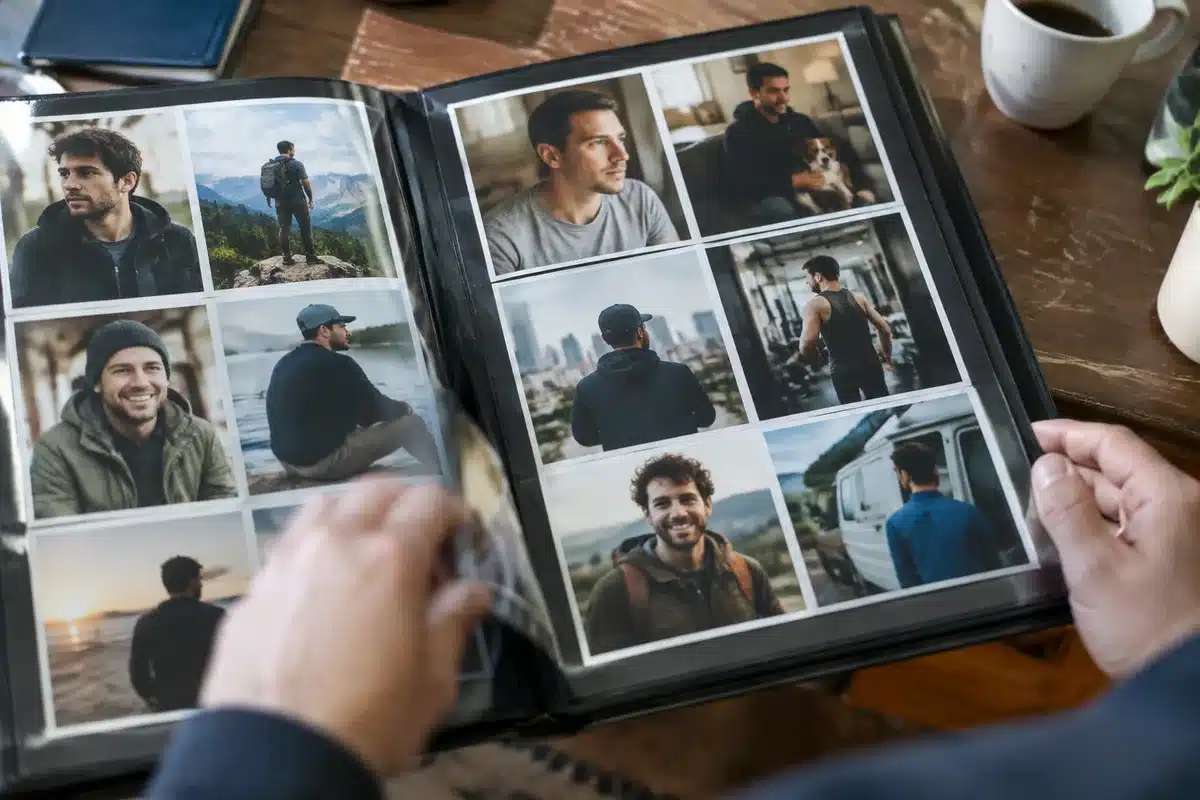
A gallery of 23 images has been circulating online, tied to comments that observers say Donald Trump has repeatedly made about a man’s look. The pictures, posted across social platforms, have sparked debate about image, politics, and how public figures talk about private citizens.
What the viral gallery shows and why it matters
The set of photos spans casual snapshots, staged portraits, and candid moments. Viewers note how different angles, lighting, and expression change the man’s perceived age and demeanor.
KATSEYE postpones another concert: illness details remain undisclosed
Cupertino: a stylish legal drama packed with tech twists
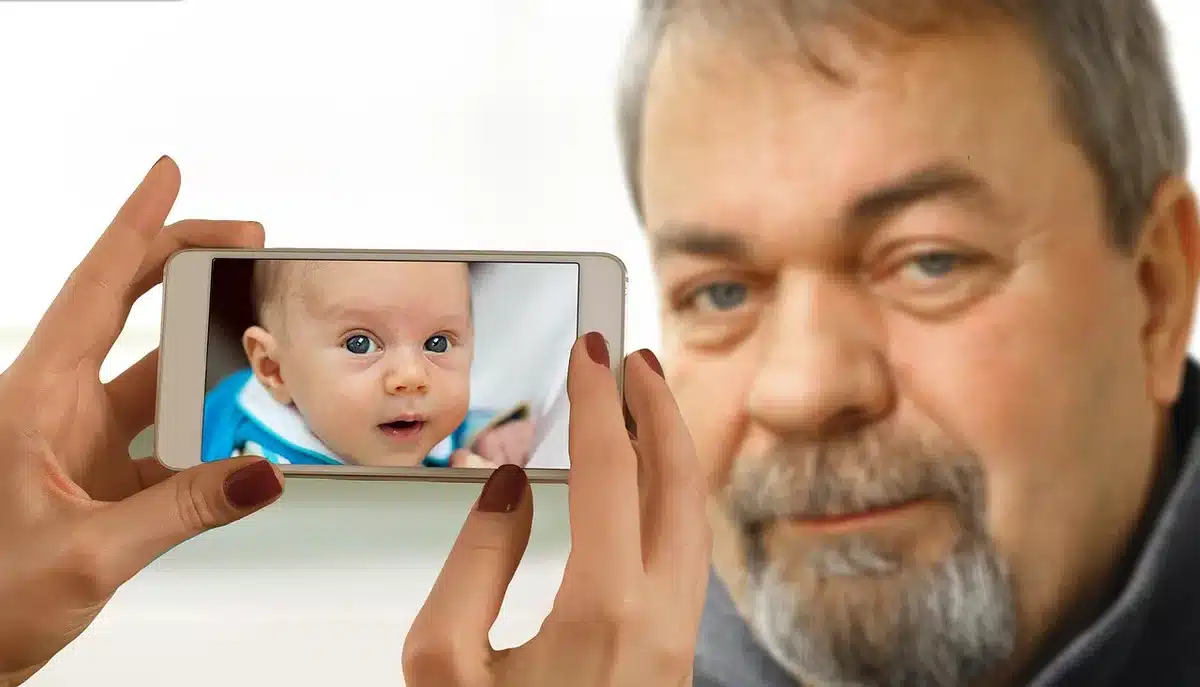
- Some images are formal, with tailored clothing and posed eyes.
- Others are relaxed, taken outdoors or at social gatherings.
- A few shots highlight facial details; several emphasize posture and gesture.
Visual context can alter public reactions. That’s especially true when a prominent political voice focuses attention on one person’s appearance.
How Donald Trump’s attention entered the conversation
Comments attributed to Donald Trump about public figures’ looks are part of his long-standing public style. In this case, social posts, clips, and screenshots tied his observations to the gallery.
- Some posts presented the photos alongside short remarks said to be from Trump.
- Other accounts amplified the thread, turning the images into a wider talking point.
- Verification remains uneven; some attributions rely on re-shared material.
Claims about who said what spread quickly, but not all have been independently confirmed.
Social media reaction: support, ridicule, and debate
Responses range from defenders applauding the man in the photos to critics questioning the focus on appearance. Memes and commentary diversified the conversation.

- Supporters used the gallery to humanize the subject.
- Satirical posts mocked the focus on physical traits.
- Commentators debated whether public figures should comment on strangers’ appearances.
Platforms saw traction across political lines, highlighting how images can become symbolic.
Why a series of 23 photos makes a difference
Multiple images give nuance. A single snapshot can mislead. A series lets viewers compare and form a more rounded impression.
- Sequence reveals variability in lighting and mood.
- Different outfits and settings change perceived character.
- Repeated viewing can create familiarity, altering judgement.
Repetition builds narrative. The more images available, the easier it is for audiences to craft a story about the person pictured.
Experts weigh in on image, perception, and politics
Media analysts and sociologists point to the long-standing link between public commentary and identity formation.
- Image researchers say people rely on visual shortcuts to form opinions.
- Political communicators note that remarks from high-profile figures amplify those shortcuts.
- Ethicists warn about the human cost when appearance becomes a target.
Context matters: experts urge viewers to question both the images and the claims tied to them.
How to view the photos responsibly
If you encounter the set, consider the origin and verify claims before resharing. Context helps prevent misinterpretation.
- Check whether the images come from the subject or a trusted source.
- Look for timestamps and original captions.
- Be skeptical of screenshots that lack source links.
Engage with content critically and avoid amplifying unverified attributions.
Legal and ethical lines to keep in mind
Public commentary about private individuals can raise questions of harassment and defamation. Laws vary by jurisdiction.
- Targeted insults may cross ethical boundaries.
- Repeated public focus can affect a person’s safety and reputation.
- Platforms have policies that sometimes remove abusive material.
Responsibility falls on both speakers and sharers. Online audiences shape the spread and impact of these narratives.
What to watch next in the story
Follow verified accounts and reputable outlets for updates. Confirmed statements or corrections may appear as platforms and reporters investigate.
- Check official social channels for any direct responses.
- Look for fact-checks from independent organizations.
- Note whether any images are withdrawn or clarified.
Keeping track of verified developments helps separate rumor from reporting.










