
Show summary Hide summary
- How the actors prepared to sell the impossible
- Blending practical effects and digital artistry
- Memorable on-set moments and unexpected mishaps
- Designing illusions: the director’s playbook
- Training with real magicians and consultants
- Signature tricks: a technical breakdown
- Marketing, secrecy and audience expectation
- Why authenticity mattered to the team
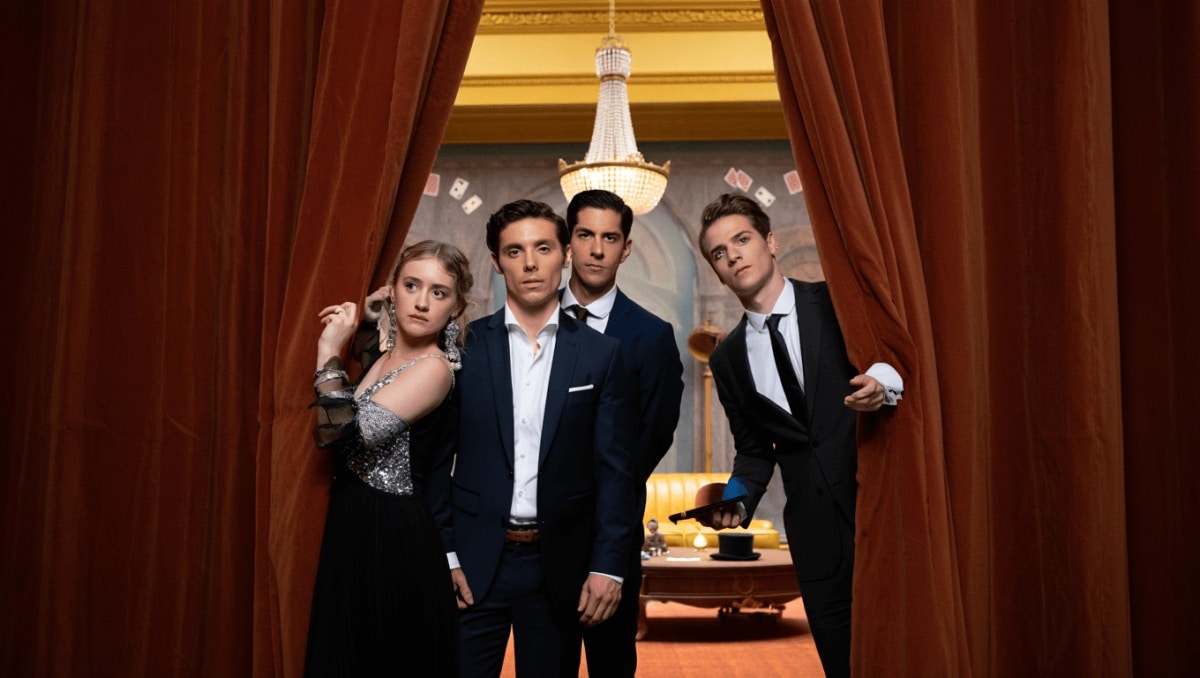
The cast of Now You See Me: Now You Don’t has begun to pull back the curtain. Actors, crew and the director have shared fresh details about how they built the film’s illusions. Their stories reveal a blend of old-school sleight of hand and modern filmmaking techniques that kept audiences guessing.
How the actors prepared to sell the impossible
Performing convincing magic required more than memorized lines. Cast members trained with professional magicians for weeks. They learned timing, misdirection and the small gestures that sell a trick on screen.
Nas slams music industry over disrespect: teases new music, vows to address it
1992 vocal performances: 3 jaw-dropping moments that still amaze
- Daily practice sessions focused on handwork and eye contact.
- Choreography rehearsals synced movement with camera cues.
- Workshops taught how to react when a trick didn’t go as planned.
The results show. Several performers say their biggest lesson was restraint: the most powerful moments come from subtlety, not flourish.
Blending practical effects and digital artistry
Filmmakers balanced practical magic with visual effects. The goal was simple: keep the audience wondering which side they were watching.
- Practical effects created tactile, believable set-pieces.
- VFX filled in seams or enhanced camera impossibilities.
- Strong coordination between departments minimized digital fingerprints.
On set, crews often built multiple versions of the same prop. If a physical trick worked in rehearsal, the camera would capture it live. If it didn’t, digital tools were ready to polish the moment.
Memorable on-set moments and unexpected mishaps
The shoot produced a string of anecdotes that reveal how fragile magic can be. Even small distractions can topple a carefully planned illusion.
- An off-script laugh once ruined a tightly timed reveal.
- Weather forced last-minute rewrites for a pivotal exterior scene.
- One prop failed mid-take, prompting an inventive camera move that saved the moment.
Actors and crew describe these incidents as creative opportunities. They say improvisation became part of the film’s DNA.
Designing illusions: the director’s playbook
The director treated each sequence like a stage act. Storyboarded beats were crafted to misdirect viewers. Camera placement and editing were an extension of the magician’s toolkit.
Key strategies used
- Framing controlled what the audience could and couldn’t see.
- Cutting rhythm engineered surprise through timing.
- Lighting choices guided attention to the intended focal points.
This approach meant collaborating closely with cinematographers and editors from day one.
Training with real magicians and consultants
The production hired specialists to teach both fundamental and advanced techniques. These experts advised on authenticity and safety.
- Consultants taught misdirection principles to non-magicians.
- Specialists designed custom props to meet cinematic needs.
- Safety teams ensured stunts could be executed without risk.
The collaboration preserved the craft while allowing the team to push boundaries for cinematic effect.
Signature tricks: a technical breakdown
Several standout sequences combined multiple disciplines. Below is a simplified look at how those scenes were achieved.
- Practical build: a physical mechanism delivers the core surprise.
- Actor performance: timing and reaction sell the impossibility.
- Camera assistance: lenses and movement hide the preparation.
- Digital finishing: minor touches remove visible seams.
Each step mattered. Skipping any one of them could expose the illusion.
Marketing, secrecy and audience expectation
The promotion of Now You See Me: Now You Don’t leaned into secrecy. Teasers revealed just enough to excite viewers while withholding the mechanics.
- Trailers emphasized spectacle over explanation.
- Cast interviews offered anecdotes but avoided technical spoilers.
- Social campaigns teased easter eggs for attentive fans.
Producers believe mystery fuels repeat viewings. Viewers return to catch the clues they missed the first time.
Why authenticity mattered to the team
For creators, authenticity was both an ethical and artistic choice. They wanted audiences to feel the thrill of being fooled, not to know they were fooled.
- Real techniques anchored emotional stakes.
- Practical methods kept performances human.
- Minimal digital correction protected the illusion’s soul.
Cast and crew say this combination made the film feel alive and immediate.










