
Show summary Hide summary
- Fans organized quickly — petition tops 20,000 signatures
- Why fans want Manson off the Wembley bill
- How promoters and the stadium have responded so far
- Slipknot’s position and fan reaction within the community
- Legal and historical background shaping the debate
- What could happen next for the Wembley concert
- Wider implications for festival bookings and artist accountability
Crowds have erupted over the announcement that Marilyn Manson will share the bill with Slipknot at a colossal 2027 show at Wembley Stadium. Within days, a petition demanding Manson’s removal swept past the 20,000-signature mark, forcing fans, promoters and artists into a tense conversation about accountability and live events.
Fans organized quickly — petition tops 20,000 signatures
A rapidly circulating online petition aimed at event organizers drew strong support, with more than 20,000 people signing in a short span. Petitioners say they cannot support a lineup that includes an artist tied to past allegations of abuse and misconduct.
KATSEYE postpones another concert: illness details remain undisclosed
Cupertino: a stylish legal drama packed with tech twists

- Petition platform: hosted on a mainstream petition site.
- Primary demand: remove Marilyn Manson from the Wembley bill.
- Supporters: fans, survivors’ advocates, and some musicians.
Why fans want Manson off the Wembley bill
Signatures highlight moral and safety concerns. Many signers cite prior allegations against Marilyn Manson and express worry about celebrating an artist with that history. Others call for clearer standards from promoters and venues when selecting acts.
Key reasons cited
- Allegations of abusive behavior linked to Manson’s past tours and relationships.
- Calls for venues to adopt vetting policies for headline performers.
- Desire among fans for concert spaces that feel inclusive and safe.
How promoters and the stadium have responded so far
As of this writing, main promoters and Wembley Stadium have not issued a definitive public statement about changing the lineup. Organizers often weigh contractual obligations, legal exposure, and public pressure in these cases.
- Contract clauses can make last-minute cancellations costly.
- Venues must balance safety, reputation and business commitments.
- Some promoters opt for muted statements while they consult legal teams.
Slipknot’s position and fan reaction within the community
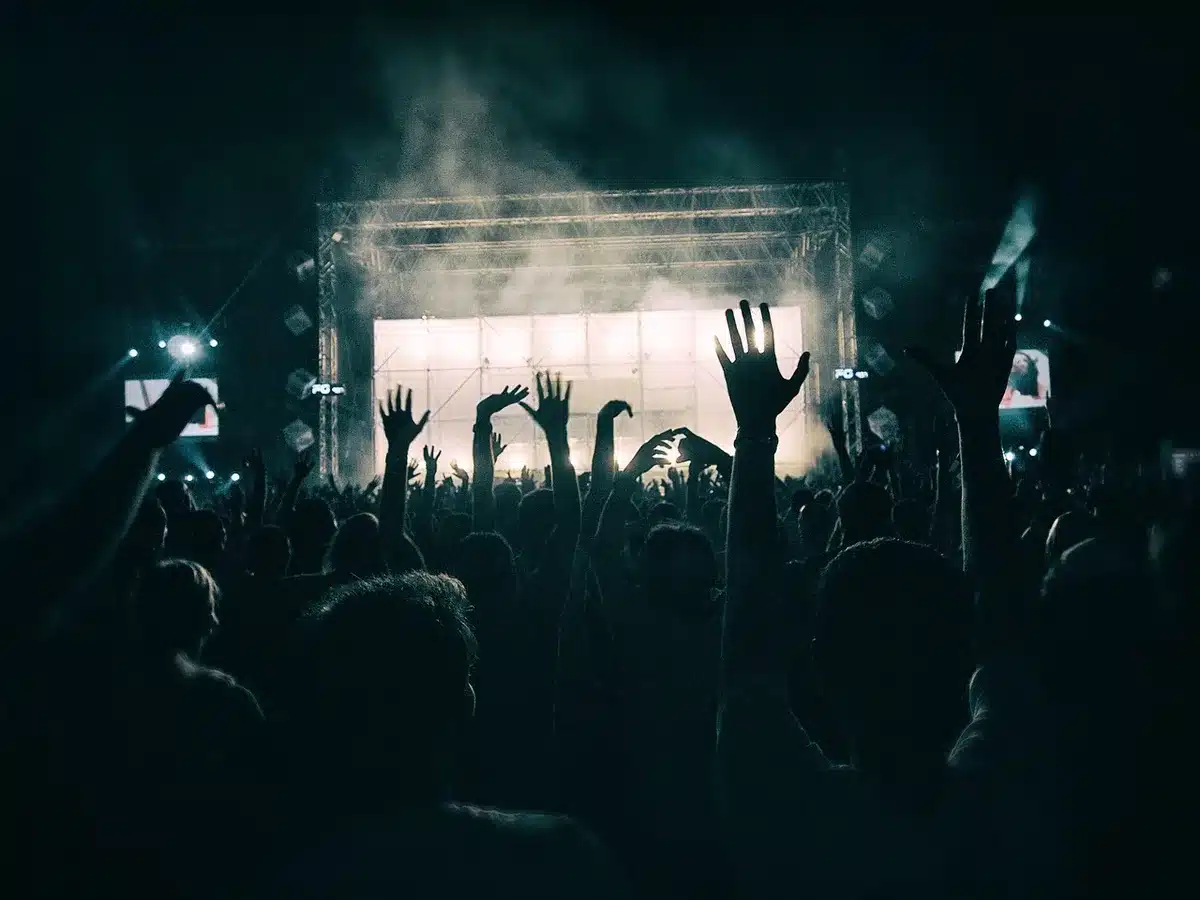
Slipknot’s fanbase is divided. A portion supports the petition, urging the band to distance itself. Others focus on the show, eager to see the event proceed as planned.
- Fans calling for removal say the band has a responsibility to listeners.
- Opposing fans prioritize the musical lineup and contractual realities.
- Social channels show heated debate and calls for dialogue.
Legal and historical background shaping the debate
Marilyn Manson has faced public accusations and legal disputes in recent years. Media coverage and court filings have kept the conversation active, affecting public perception.
- Allegations remain central to public concerns, not settled facts.
- Some claims resulted in legal action; others remain unresolved.
- Past industry responses to similar controversies offer mixed precedents.
What could happen next for the Wembley concert
Several outcomes are possible. Organizers may ignore the petition, negotiate a settlement, or alter the lineup. Fans and advocacy groups will likely continue pressuring stakeholders.
- Promoters issue a statement keeping the lineup unchanged.
- Promoters negotiate with artists to change the bill.
- Legal or contractual issues prevent immediate action.
Wider implications for festival bookings and artist accountability
This controversy goes beyond a single show. It reflects growing demands for transparency in booking decisions and stronger policies on artist conduct. Venues may face more public scrutiny when high-profile controversies surface.
- Event policies may become stricter after high-profile disputes.
- Artists and promoters may adopt clearer behavioral clauses in contracts.
- Audiences are more likely to mobilize quickly via petitions and social media.










