
Show summary Hide summary
- Live radio moment that caught attention
- What the caller actually said about trust
- Why this matters for Donald Trump’s support
- Media and analyst reactions to the radio exchange
- What similar calls reveal about voter priorities
- Possible implications for campaigns and strategy
- How to interpret a single voter’s shift
A caller who once declared unwavering support for Donald Trump surprised listeners during a recent radio broadcast, signaling cracks in a previously solid base. The exchange, brief but candid, has stirred conversation about loyalty, accountability, and how personal disappointment can shift political allegiance.
Live radio moment that caught attention
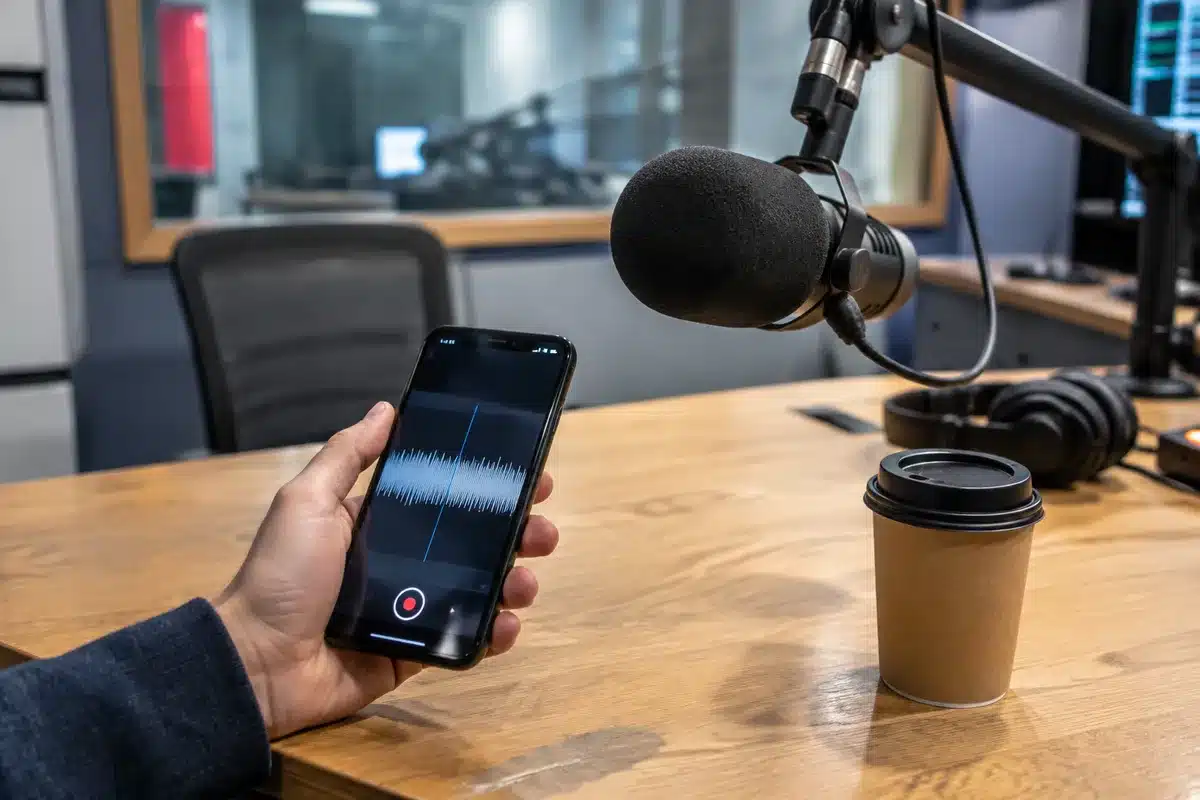
The scene played out on a popular talk show. A listener phoned in and described how their opinion of Trump had evolved. They had publicly backed the former president and said they had complete faith in him. On air, that confidence wavered.
- The caller explained specific grievances they felt Trump had not addressed.
- They described a sense of betrayal, explaining that trust was not unconditional anymore.
- Host questions and follow-ups made the conversation more revealing than a typical soundbite.
KATSEYE postpones another concert: illness details remain undisclosed
Cupertino: a stylish legal drama packed with tech twists

What the caller actually said about trust
Rather than repeating catchphrases, the caller outlined practical concerns. They spoke about policy outcomes, personal expectations, and a gap between promises and results. The tone shifted from pride to frustration during the call.
Key line: the caller admitted their faith had been shaken, not entirely gone. That nuance matters for interpreting voter behavior.
Why this matters for Donald Trump’s support
A single radio caller does not define an electorate. Still, moments like this resonate because they reflect a broader trend: voters reassessing leaders based on perceived performance. For any campaign, erosion among previously loyal supporters signals potential vulnerability.
- Long-term loyalty can be fragile if expectations aren’t met.
- Public displays of doubt can encourage others to voice concerns.
- Opponents and independents often watch for signs of internal discontent.
Media and analyst reactions to the radio exchange
Coverage was swift. Local and national outlets picked up the audio clip and framed it as symptomatic of shifting grassroots sentiment. Political analysts noted the call’s value as anecdotal evidence rather than conclusive proof of a trend.
How experts framed the moment
- Some strategists called it a wake-up sign for campaign messaging.
- Pollsters emphasized the need to track similar expressions across different platforms.
- Commentators debated whether this reflected policy disappointment or fatigue with personality-driven politics.
What similar calls reveal about voter priorities
The caller’s concerns focused on tangible outcomes. That pattern appears in other feedback channels: town halls, social media, and phone-ins. Voters emphasize results and accountability over slogans.
- Policy impact often outranks rhetoric.
- Consistency between promises and actions builds sustained trust.
- Personal interactions—like calls to radio shows—offer raw insight into voter mood.

Possible implications for campaigns and strategy
Political teams monitor these moments closely. When loyal supporters voice doubts publicly, campaigns may need to adjust tactics to shore up trust.
- Refocus communications on concrete achievements.
- Prioritize outreach to disaffected supporters with targeted messaging.
- Use grassroots feedback to refine policy explanations.
How to interpret a single voter’s shift
Treat this as a signal, not a verdict. Anecdotes illuminate trends but require corroboration. Analysts recommend looking for patterns across multiple data sources before drawing broad conclusions.
- Track similar sentiments in polling and focus groups.
- Monitor social platforms and local media for repeated themes.
- Consider demographic context: who is changing their mind and why.










