Show summary Hide summary
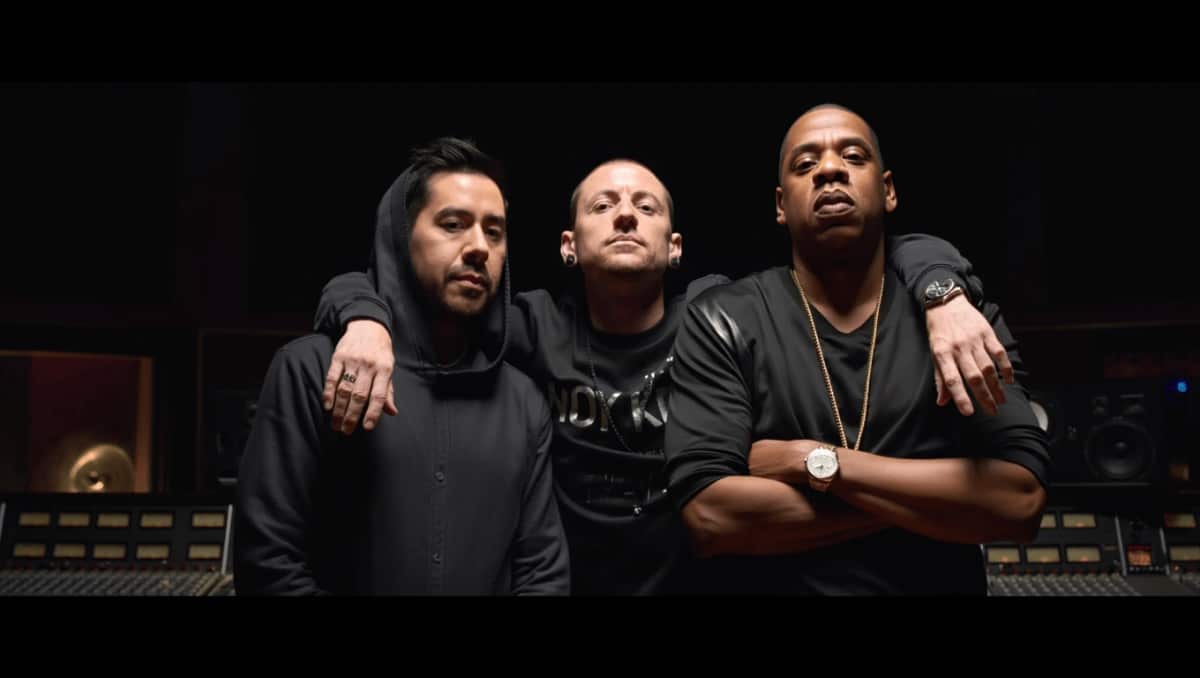
When a six-song collision of hip-hop and nu-metal arrived in 2004, it surprised fans and critics alike. Created for MTV’s mash-up series, Collision Course paired Jay-Z and Linkin Park in an unexpected studio experiment. The result mixed live energy, studio reworkings, and a hit single that would go on to win a Grammy.
From bootleg curiosity to sanctioned studio experiment
The spark for Collision Course traces back to a wave of mash-ups circulating in early 2004. One high-profile example, Danger Mouse’s Grey Album, showed how two iconic records could be fused into something new. That climate made MTV interested in a live mash-up program.
Nas slams music industry over disrespect: teases new music, vows to address it
1992 vocal performances: 3 jaw-dropping moments that still amaze
MTV gave Jay-Z the choice of who to invite. He picked Linkin Park. What began as a TV concept quickly evolved into a creative partnership. Instead of layering existing stems, the artists reconstructed songs together in the studio.
How the collaborators built the sound
Mike Shinoda wasn’t new to blending genres. Years before Linkin Park, he experimented with mixing alternative rock and hip-hop tracks. For Collision Course, he prepared several hybrid demos and sent them to Jay-Z as a proof of concept.
Once both acts met in the studio, they took an unusual approach. Rather than simply splicing tracks, they re-recorded parts to suit new arrangements.
- Vocals were re-performed to match altered tempos and grooves.
- Band parts were rearranged to accommodate rap cadences.
- Studio banter and spontaneous moments were preserved on the recordings.
Shinoda later explained that redoing rap vocals was important because the beats changed the delivery. Jay-Z agreed and adapted his performances to the new sonic settings.
Tracks, sources, and the Roxy recording
The EP compresses material from both catalogs into six hybrid tracks. Linkin Park drew mainly from Hybrid Theory and Meteora. Jay-Z’s contributions tapped into albums such as The Black Album, The Blueprint, and his Vol. series.
Notable pairings and studio notes
- The EP blends seven Linkin Park song elements with six Jay-Z song elements.
- Recording sessions doubled as a live DVD shoot at the Roxy Theatre for MTV.
- Rather than polish every moment away, the artists left laughter and candid talk in the final cuts.
Commercial performance and awards
Though Collision Course began as a TV piece, the collaborators decided to release it commercially. Audiences reacted quickly.
The EP debuted at No. 1 on the Billboard 200, driven by interest in the cross-genre pairing. Its lead single, “Numb/Encore,” climbed to No. 20 on the Billboard Hot 100.
“Numb/Encore” won the Grammy for Best Rap/Sung Collaboration in 2006, cementing the project’s cultural impact despite some divided critical response.
Long-term impact and streaming milestones
Collision Course is often cited as an early, high-profile example of mainstream mash-ups handled with artistic care. It introduced many rock fans to hip-hop structures and vice versa.
Years later, the single continued to gather listeners worldwide. In 2024, “Numb/Encore” joined the billion-stream club on Spotify for both Linkin Park and Jay-Z. That milestone underlines the track’s enduring presence in playlists across genres.
Why the project still matters
Collision Course stands out because it avoided a throwaway approach. The artists committed to rethinking arrangements and reperforming parts. That hands-on method made the EP feel like a true collaboration.
Its combination of live energy, studio craft, and cross-genre curiosity keeps the release relevant when the subject turns to boundary-crossing experiments in modern music.