Show summary Hide summary
- What Dig is about and how it unfolds
- Main cast, characters and relationships — who to watch
- Style and tone: where comedy meets melodrama
- Production design and sense of place
- Writing, pacing and the mystery at the center
- Standout performances and comic hits
- Weaknesses: character clarity and cultural authenticity
- Where Dig succeeds for viewers seeking comfort and charm
- Areas that may disappoint fans expecting sharper laughs or deeper mystery
Amy Poehler and Hugh Laurie headline Dig, a new 10-episode comedy-mystery on Peacock produced with Michael Schur. The show sets an American-run archaeological dig on a sunlit Greek coast as the stage for romance, rivalry and a suddenly brewing mystery. It feels familiar in tone to Schur’s earlier work, yet it carves out its own, quieter orbit.
What Dig is about and how it unfolds
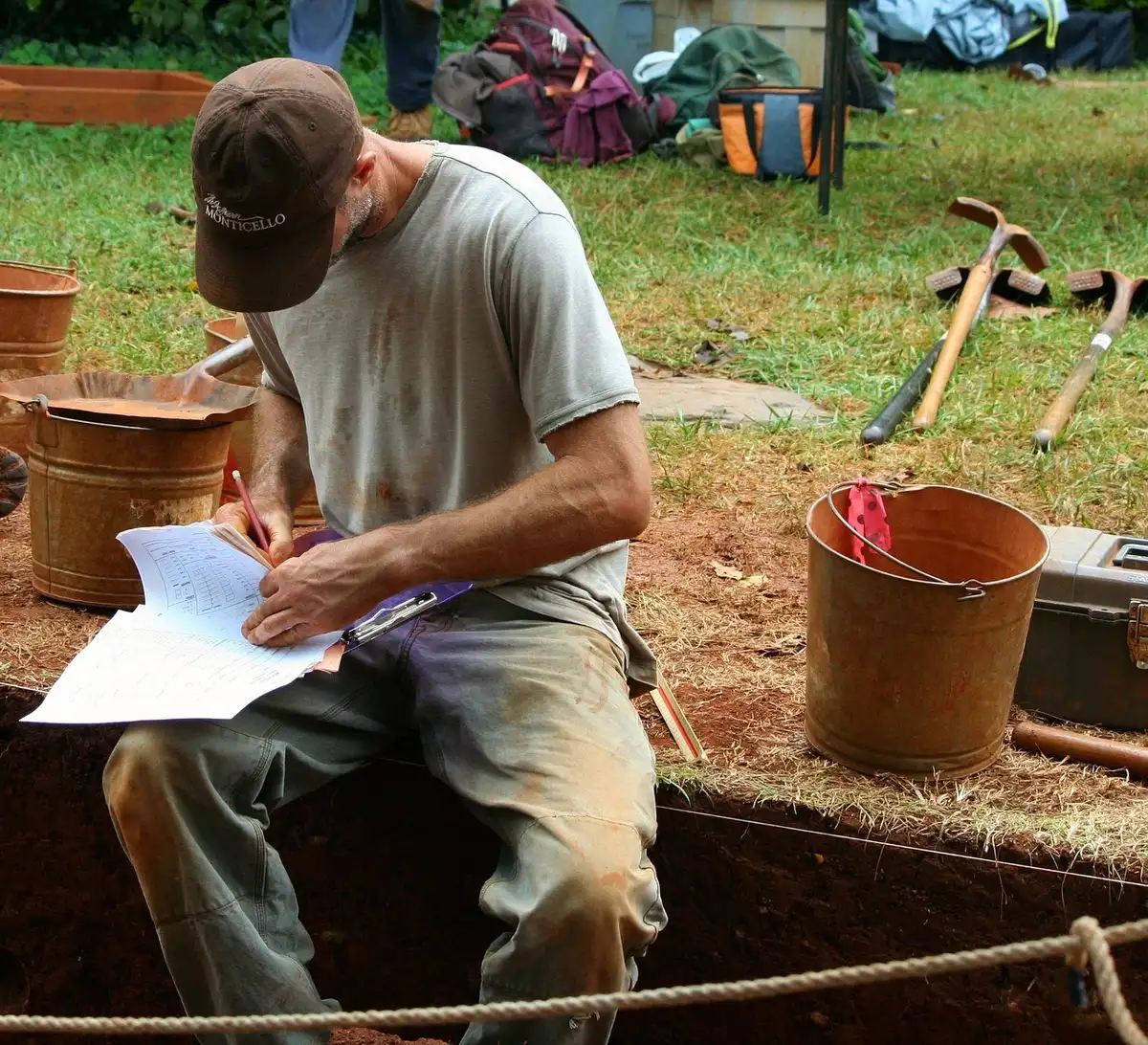
Set at a summer excavation program that doubles as a college getaway, Dig begins as a workplace comedy about committed but mismatched co-workers. The plot shifts when a surprising find pulls the ensemble into a mystery about stolen cultural artifacts.
KATSEYE postpones another concert: illness details remain undisclosed
Cupertino: a stylish legal drama packed with tech twists
- The program is nominally led by celebrated archaeologist Neville Wycombe.
- Elise runs the day-to-day operations and keeps the site afloat.
- A discovery complicates personal histories and tests loyalties.
Main cast, characters and relationships — who to watch
The series builds its energy around a core group whose private lives are as central as their fieldwork. The cast includes both comedic veterans and emerging performers.
- Amy Poehler as Elise: pragmatic, quick-tempered and ready to step into a leadership role.
- Hugh Laurie as Neville Wycombe: the celebrated head of the dig, more comfortable with accolades than logistics.
- Antonia Thomas as Clare: curator of found objects and a woman navigating independence and inherited privilege.
- Geraldine Viswanathan as Dylan: a free-spirited former student with unfinished business.
- Jon Pointing as Barry: an ex-flame with current ties to the team.
- Fina Strazza as Patty: a socially awkward newcomer whose heart and comic instinct drive much of the show.
- Kayvan Novak as Stavros: the charismatic mayor next door and a frequent romantic foil.
- Jason Mantzoukas appears in roles that lampoon and unpack Greek stereotypes.
Style and tone: where comedy meets melodrama
Dig blends workplace sitcom beats with a slow-building mystery. Its tone leans warm and amiable rather than uproarious. The show frequently trades on gentle humor and touches of sentiment.
How it compares to Michael Schur’s previous shows
Viewers familiar with Schur’s catalog will notice echoes of The Good Place’s comic ambition and A Man on the Inside’s plotting. Yet Dig aims lower in comic intensity and relies more on character warmth than on laugh-per-minute payoff.
Production design and sense of place
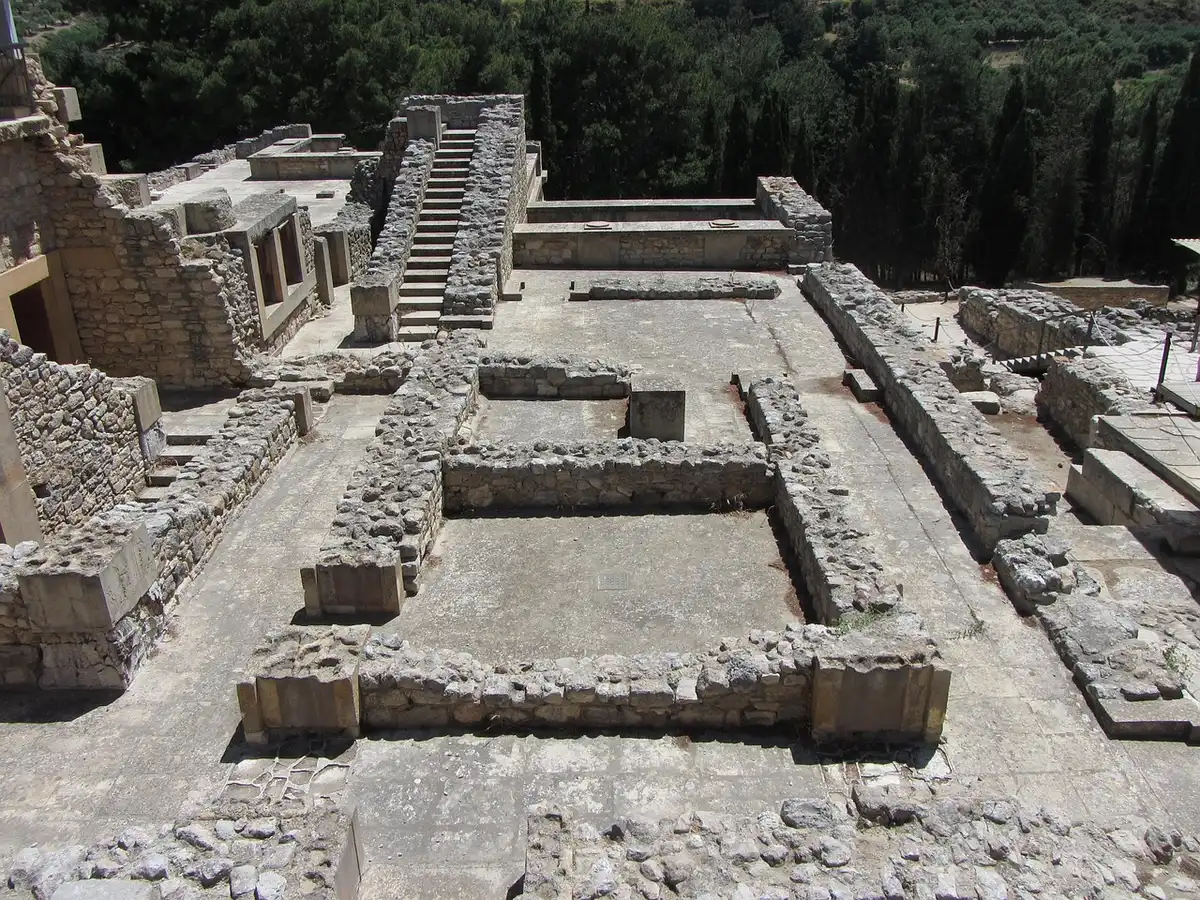
Location shots of beaches and whitewashed villages create a postcard feel. But many interiors and the archaeological trenches read like constructed sets. That studio quality softens the sense of lived-in authenticity.

- Some exteriors were shot in Greece and Italy.
- Many scenes carry a soundstage sheen rather than documentary grit.
Writing, pacing and the mystery at the center
The series begins by introducing personalities through dialogue-heavy scenes. The pilot leans on other characters to describe traits instead of letting actions reveal them.
When the plot turns to artifact theft and a tangled backstory, the show moves from camp-like workplace humor into serialized mystery. This shift gives the stakes gravity but also leaves tonal seams.
Standout performances and comic hits
Fina Strazza emerges as a clear scene-stealer. Her awkward charm brings both laughs and emotional depth. Several other actors land effective moments:
- Strazza carries physical comedy and genuine heart.
- Viswanathan delivers sharp, occasionally underwritten quips.
- Poehler is a steady, appealing lead who balances exasperation with warmth.
- Laurie leavens the show with grand, often buffoonish authority.
- Novak refines a potentially broad part into something oddly magnetic.
Strazza supplies many of the series’ funniest beats and most affecting scenes.
Weaknesses: character clarity and cultural authenticity
Despite tidy archetypes — women at different life stages, a toast-of-the-field elder, a mischievous ex — characters sometimes feel indistinct on screen. Ages, ambitions and emotional arcs blur when the actors don’t always get the space to develop them.
- Exposition-heavy introductions make personalities feel declared rather than revealed.
- Some characters lack consistent aims across episodes.
- Production leans on familiar Greek tropes and non-Greek actors for major local parts.
The use of Italy and studio locations to stand in for Greece contributes to a sense that the setting is a backdrop for mood rather than an immersive world.
Where Dig succeeds for viewers seeking comfort and charm
If you come for an ensemble comedy with a gentle heart, Dig offers plenty of amiable company. The show creates a relaxed rhythm, blends small romantic sparks with workplace squabbles, and rewards viewers who enjoy character-driven moments more than high-concept humor.
- Warm chemistry among leads.
- Moments of genuine tenderness and levity.
- A mystery thread that supplies narrative momentum.
Areas that may disappoint fans expecting sharper laughs or deeper mystery
Those who sought the manic inventiveness of Schur’s best work may find Dig softer and more tentative. The mystery rarely hits thriller velocity, and the jokes are often mild rather than sharp.
- Less spirited comedy than The Good Place.
- Fewer emotional spikes than A Man on the Inside.
- Character beats sometimes arrive too late or too briefly.