
Show summary Hide summary
- What Musk revealed and why it matters
- Design highlights that grabbed attention
- Safety, certification, and regulatory hurdles
- Industry and competitor responses
- How the internet responded in real time
- What this could mean for urban mobility and the market
- Key unknowns investors and consumers are watching
- Early impressions from pilots and testers
- How cities might adapt to a new class of vehicle
- Where to follow developments next
Elon Musk stepped onto a stage tonight and pulled the curtain back on a vehicle that blurs the line between car and aircraft, sending social platforms into a frenzy and sparking fresh debate about the future of urban transport.
What Musk revealed and why it matters
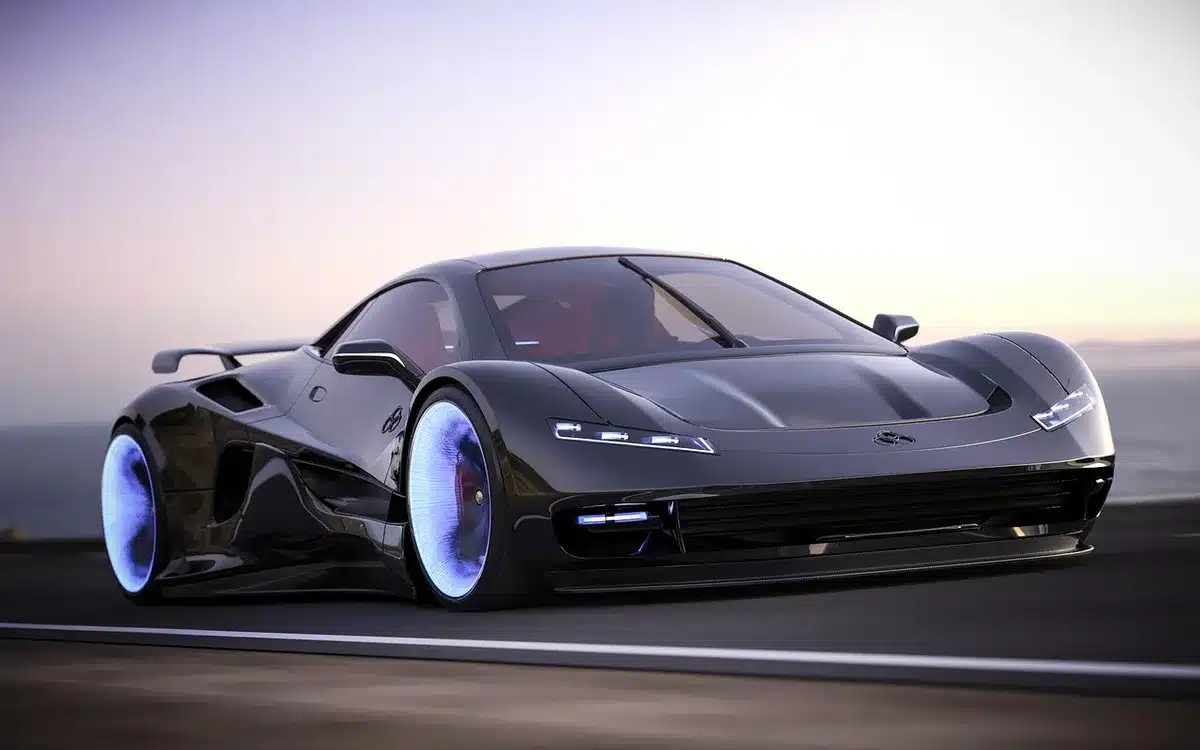
The unveiling introduced a compact, winged vehicle that Musk described as a next step for personal mobility. Company representatives framed it as a solution for congested cities.
KATSEYE postpones another concert: illness details remain undisclosed
Cupertino: a stylish legal drama packed with tech twists
- Launch format: A live event with demonstration footage and simulated in-flight sequences.
- Target users: Urban commuters, tech enthusiasts, and fleet operators.
- Claimed benefit: Faster door-to-door travel by avoiding ground traffic.
Design highlights that grabbed attention
The prototype mixes car-like cabin design with retractable wings and vertical thrust capability. Its look is sleek and aerodynamic.
- Compact footprint for street parking.
- Folding wings for low-profile storage.
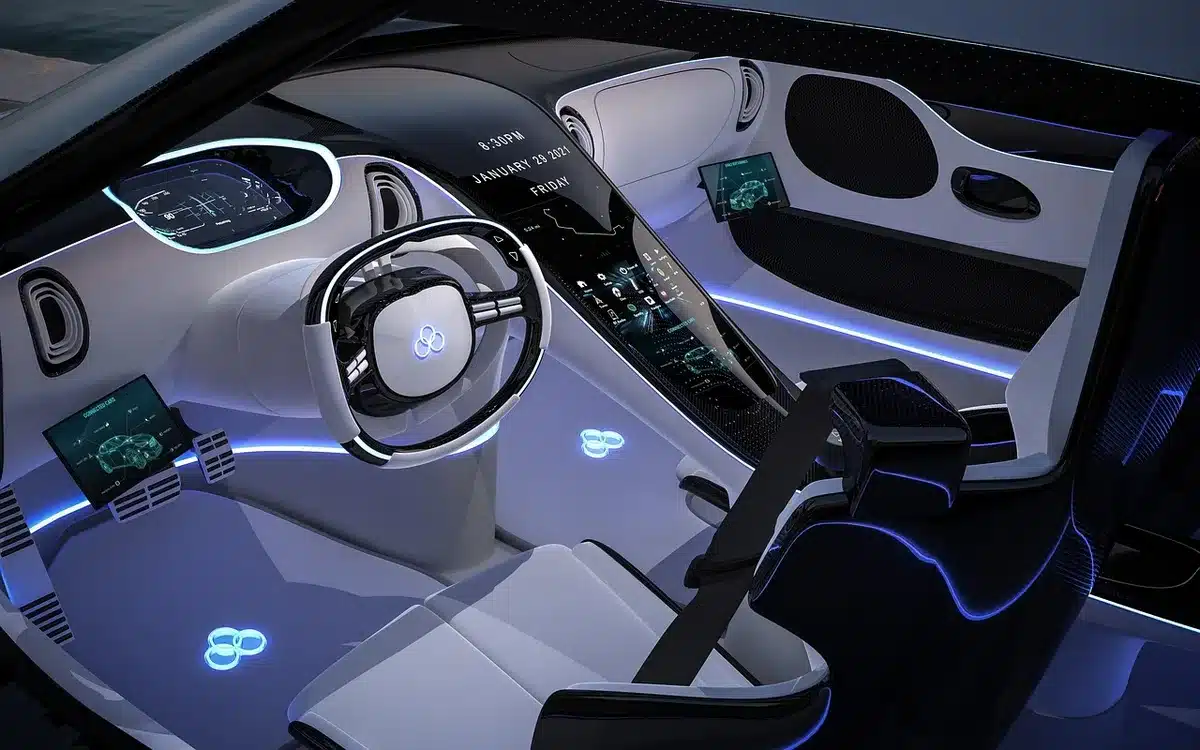
- Glass cockpit and minimalist controls.
- Electric propulsion with multiple rotors for lift.
Comfort and tech features
- Advanced driver-assist systems adapted for air navigation.
- Augmented reality display for route and obstacle awareness.
- Modular interior for one to four passengers.
Safety, certification, and regulatory hurdles
Experts immediately noted that unveiling a prototype is only the start. Certification and airspace rules will shape its fate.

- Certification process: Aviation agencies must approve both aircraft and manufacturing standards.
- Airspace integration: Cities need corridors and rules for low-altitude traffic.
- Redundancy: Multi-engine systems and fail-safe controls are essential for public trust.
Industry and competitor responses
Automakers and aerospace startups reacted within hours. Some called it a bold move; others warned of technical and legal complexity.
- Established OEMs signaled interest in partnerships.
- Air taxi startups emphasized regulatory readiness contests.
- Investors quickly revalued related stocks and funding rounds.
How the internet responded in real time
Social platforms offered a fast mix of wonder, skepticism, and humor. The hashtag tied to the reveal trended globally.
Top themes online
- Memes comparing the vehicle to sci-fi classics.
- Debates over price and accessibility.
- Threads about whether cities are ready for low-altitude traffic.
Some users celebrated the vision for cleaner commutes. Others questioned safety, cost, and environmental impact.
What this could mean for urban mobility and the market
If the concept advances, it could reshape commuting, logistics, and emergency response.
- Reduced travel times for certain routes.
- New infrastructure needs such as vertiports and charging hubs.
- Possible partnerships between automakers, airlines, and city planners.
Key unknowns investors and consumers are watching
- Real-world range and charge time under urban conditions.
- Production timeline and initial pricing tiers.
- Coverage of insurance and liability for airborne operations.
Early impressions from pilots and testers
Flight testers praised the handling in simulation runs but urged caution. Transitioning from prototype to certified product is a long road.
- Positive: responsive controls and compact hover capability.
- Concerns: maintenance demands and urban interference.
How cities might adapt to a new class of vehicle
Urban planners will need to rethink zoning, emergency corridors, and noise regulations if flying cars become common.
- Create designated takeoff and landing zones.
- Designate low-altitude lanes to manage traffic flow.
- Enforce noise and safety standards near residential areas.
Where to follow developments next
Expect more technical briefings, third-party demos, and regulatory updates in coming months. Live streams and official channels will publish details.
- Company press releases and livestreams.
- Regulatory filings with aviation authorities.
- Independent flight tests and expert reviews.










