
Show summary Hide summary
A veteran rapper from the 2000s has revealed a low-key contribution to Grand Theft Auto VI, and says the moment became unexpectedly personal when his young son pointed him out in the game. The revelation blends hip-hop nostalgia with modern gaming culture, and it landed in the middle of a busy week for GTA VI chatter.
How the rap cameo stayed under the radar
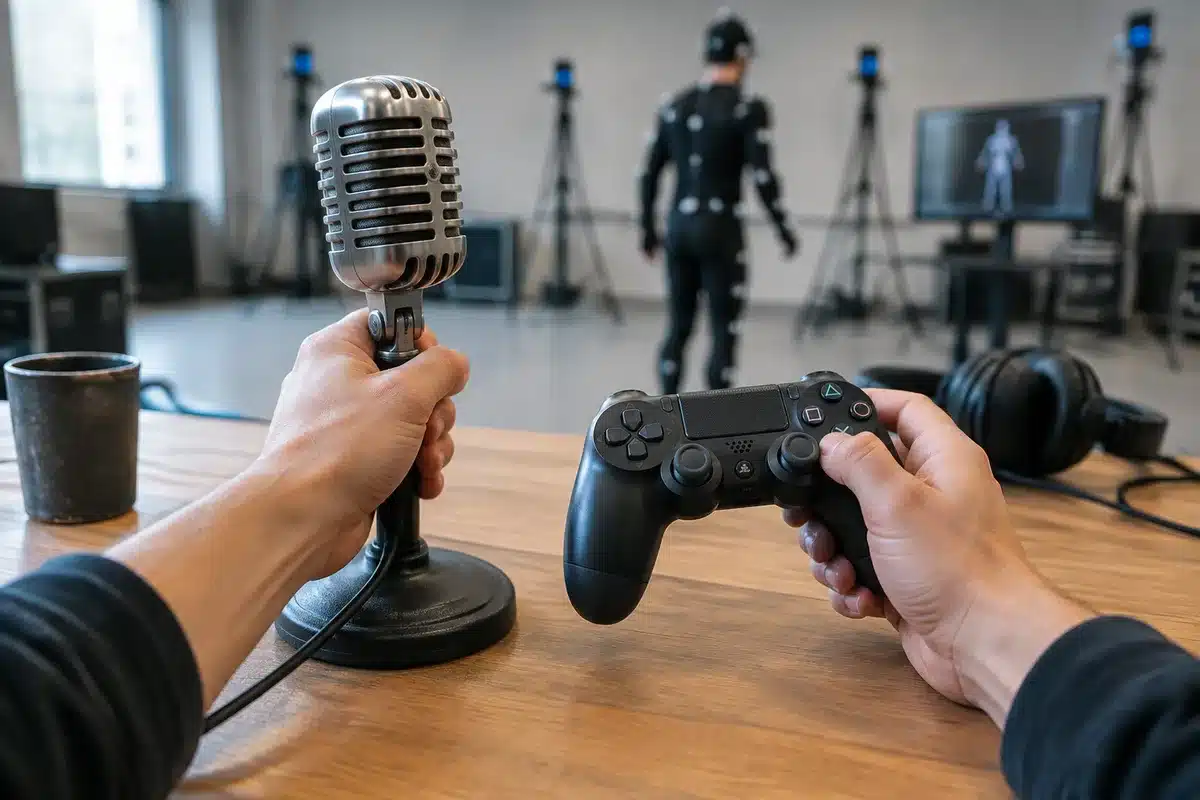
The artist explained that his part began as a standard studio job. He recorded voice lines and did a few short motion-capture takes. Production kept the role quiet through non-disclosure agreements and staggered credits.
KATSEYE postpones another concert: illness details remain undisclosed
Cupertino: a stylish legal drama packed with tech twists

These efforts are common for major titles. Developers often use aliases and code names to shield cameos. The rapper said this approach helped keep his involvement a surprise.
What the role actually was
Sources close to the session say the part was a small but distinctive character. It was not a lead role or a featured storyline. Instead, it added color to a neighborhood scene.
- Voice lines recorded in short sessions.
- A few gestures captured on motion stage.
- Performance aimed at authenticity, not celebrity spectacle.
The intent was to enhance realism, not to headline the cast.
When family recognized the game
The rapper kept the project secret from everyone, including his children. After the game reached a testing phase, his son played a build and immediately reacted.

“He looked at me and said, ‘That’s you,’” the artist recalled. That instant turned a professional credit into a private family moment.
Why the recognition mattered
For the artist, the reaction validated the performance. It proved the voice and mannerisms read as genuine to a new listener.
For the son, it was a proud discovery and an easy bridge between music, gaming, and family life.
Fans and the broader community response
News of the cameo spread quickly once the rapper discussed it publicly. Social channels filled with clips and speculation.
- Fans shared timestamps and audio snippets.
- Gaming outlets linked the cameo to the game's evolving soundtrack and world-building.
- Listeners compared the voice work to the artist’s earlier recordings.
The reaction highlighted how deeply music figures can resonate within game worlds.
Why musicians join video game projects
Artists pick up gaming roles for many reasons. Some want to reach a broader audience. Others enjoy storytelling in a different medium. A few simply want to chip into a cultural moment.
- New revenue streams and royalties.
- Cross-promotion between fanbases.
- Creative challenge and acting opportunity.
In this case, the rapper framed the gig as both a fun experiment and a way to cement a legacy across platforms.
Inside the recording process and industry secrecy
Big-name game studios guard recording sessions closely. Cast lists are often redacted in early builds. Many performers sign NDAs to prevent leaks.
Recording sessions are short, intense, and geared to fit the game’s tone. Actors may loop lines for different situations or adjust delivery to match animation timing.
Secrecy preserves surprise and ensures marketing plans remain intact.
What this means for Grand Theft Auto VI and pop culture
The cameo is another example of how modern games blend entertainment sectors. Rap names now appear in credits alongside actors, composers, and developers.
As games continue to attract major musical talent, these collaborations will shape how audiences discover both music and interactive stories.










