Show summary Hide summary
DIY music videos keep getting more inventive. From accidental-angle doorbells to time-consuming stop motion, artists are finding ways to craft memorable visuals without huge budgets. Below are practical, creative approaches that work for indie bands, solo acts, and anyone chasing a handmade aesthetic.
Turn a Smart Doorbell into a Viral Visual
Smart doorbell cameras, like Ring, have become an unexpected tool for low-budget music videos. The wide, slightly warped lens creates a nostalgic, alt-rock look that feels familiar and fresh at once. Musicians have started asking family, friends, or neighbors to press record for a few takes and then edit the footage into a full video.
Nas slams music industry over disrespect: teases new music, vows to address it
1992 vocal performances: 3 jaw-dropping moments that still amaze
Why it catches attention
- Distinctive fisheye perspective evokes 90s and early 2000s indie visuals.
- It’s often free or very inexpensive to shoot.
- The candid, domestic setting adds intimacy and authenticity.
Quick tips for using a doorbell cam
- Plan short scenes; doorbell clips tend to be brief.
- Ask permission before using someone else’s device.
- Edit aggressively to lean into the lo-fi charm.
Notable examples
- Australian indie group Maple’s Pet Dinosaur shot a song using a neighbor’s doorbell.
- Luminati Suns, a band of brothers, filmed a similar DIY clip that started with a parent granting access to a door cam.
Use an Analog Camcorder to Make Vintage-Looking Videos
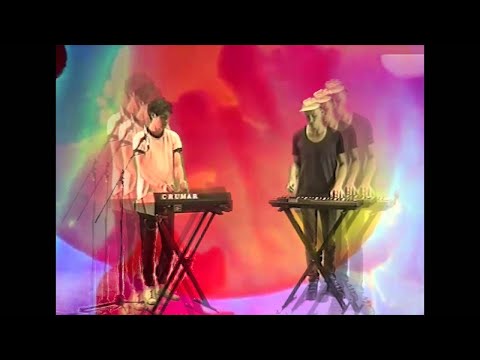
Analog camcorders produce grain, warmth, and color shifts that digital filters can only mimic. Hunting an old consumer camcorder on resale sites gives you authentic texture. That imperfect image suits punk, alt-rock, and soft folk equally well.
What genres benefit most
- Punk and grunge: grainy, handheld footage enhances raw energy.
- Indie and bedroom pop: VHS softness adds cozy nostalgia.
- Folk and singer-songwriters: mild blur and natural light create intimacy.
Practical pointers
- Test tape-to-digital transfer options before committing.
- Use simple lighting; camcorders flatter soft, natural sources.
- Embrace imperfections rather than over-correcting them in post.
Video examples worth watching
- Roosevelt’s “Montreal” channels retro warmth through deliberate editing.
- Parasite Farm’s “Shimmer” blends grunge-era aesthetics with modern polish.
Handcraft a Stop-Motion Clip for a Whimsical Look
Stop motion remains one of the most tactile ways to make a music video. It’s labor-intensive, but the resulting movement has a charm that digital effects don’t replicate. The style suits artists who want handcrafted, storybook visuals.
When to pick stop motion
- When you want a toy-like or crafted appearance.
- For songs that benefit from slow, deliberate visual pacing.
- If you have patience or a team to help with frame-by-frame work.
How to manage the workload
- Storyboard tightly to avoid unnecessary frames.
- Use consistent lighting to prevent flicker between shots.
- Test short sequences before committing to a long piece.
A standout example
- Caro’s “Cold Comfort” demonstrates how smooth transitions and careful timing lift stop motion into art.
Create a Compelling Edit from Random, Found Footage
Collecting disparate clips—street scenes, landscapes, travel shots—is a fast way to assemble a video. The technique allows you to build mood without a scripted narrative. It’s ideal for solo creators who can shoot on a phone and edit later.
Strengths of found-footage videos
- Flexible: shoot anywhere, anytime.
- Low production cost and minimal crew needs.
- Great for songs that rely on atmosphere rather than plot.
Editing strategies
- Layer clips to create visual rhythm that matches the track.
- Use color grading to unify footage from varied sources.
- Experiment with overlays, speed ramps, and masking for texture.
Inspiration to study
- Latvian rock outfit Židrūns used abstract and layered clips to craft an evocative patchwork video.