Show summary Hide summary
- How the post spread and what it contained
- Why players and followers reacted so strongly
- Workplace and legal risks tied to fake medical notes
- How employers and platforms have responded
- Practical advice for workers tempted to “call in” for a release
- What this episode reveals about celebrity sway and gaming culture
- Possible next moves and ongoing debate
DJ Khaled stirred a fresh wave of online chaos by sharing what fans say are doctored medical notes meant to help people skip work and play GTA VI. The post landed in the middle of intense hype for the next Grand Theft Auto title, and quickly became a viral stunt, blending celebrity influence, gaming obsession, and questions about workplace boundaries.
How the post spread and what it contained
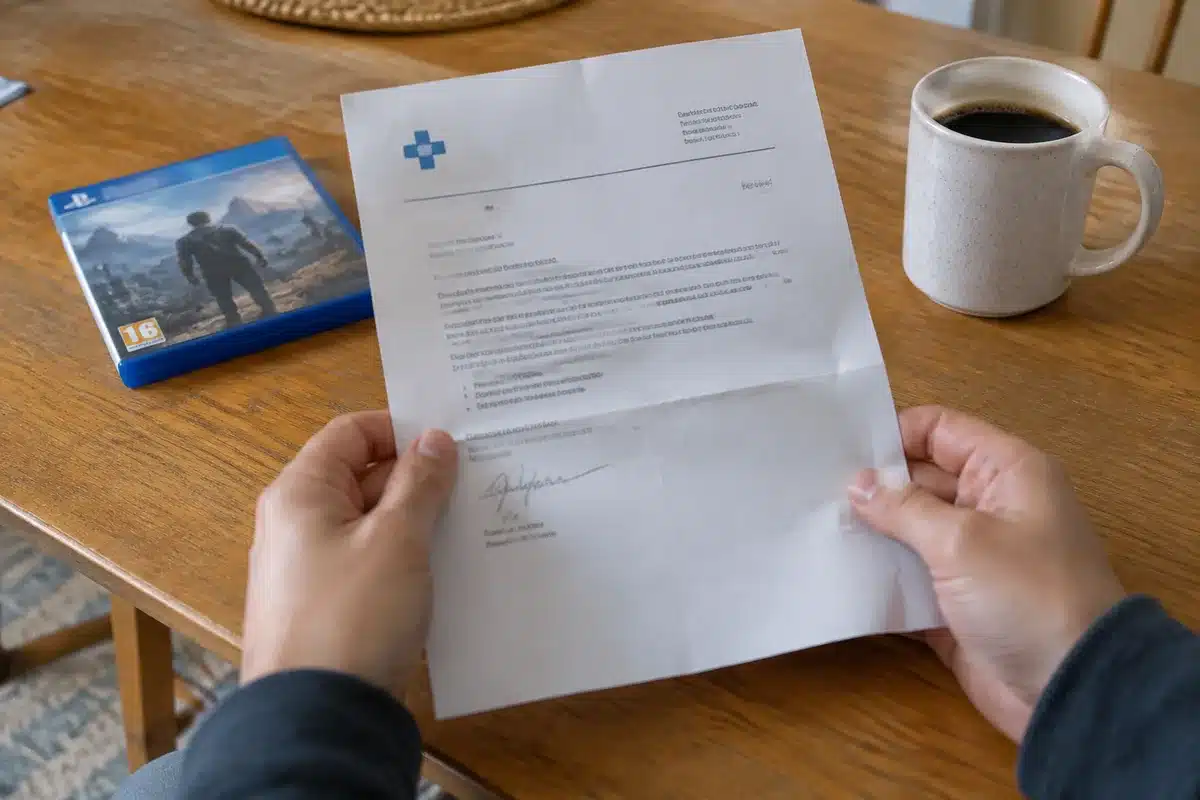
On social platforms, the images showed a polished, printable note that mimicked a doctor’s excuse. It suggested brief medical leave and carried space for a faux signature and office stamp. Within hours, screenshots circulated across Twitter and Instagram, sparking memes and resharing.
DJ Khaled writes fake doctor’s notes: fans can skip work for GTA VI
25-year-old tradwife influencer gets tubes tied after 4 kids: internet erupts
- Fans praised the prank and shared versions customized with gaming-themed jokes.
- Others flagged the post as irresponsible, noting risks for employees and employers.
- Media outlets and creators amplified the story, turning a single post into widespread discussion.
Why players and followers reacted so strongly
GTA VI is one of the most anticipated games in years. That excitement fuels extreme reactions when big names get involved. For many, the stunt tapped into a simple wish: to prioritize leisure after waiting years for a major release.
Factors driving the frenzy
- Long lead-up and high expectations for GTA VI.
- Influencer culture where celebrities encourage fandom-driven behavior.
- Social media’s amplification loop that rewards shareable, cheeky content.
Workplace and legal risks tied to fake medical notes
Using a forged medical note is risky. Employers can discipline staff who submit fraudulent documentation, and legal consequences are possible depending on local laws.
- Employment consequences: Warnings, unpaid leave, or termination for dishonesty.
- Legal exposure: Fraud statutes or forgery laws could apply in some jurisdictions.
- Professional trust: Damaged relationships with supervisors and HR.
How employers and platforms have responded
Reaction ranged from humor to stern reminders. Some companies reposted official policies about attendance and time off. Social platforms removed or labeled content that violated rules about impersonation or forgery in some cases.
- HR teams urged employees to use paid time off or to request leave transparently.
- Some platforms limited distribution of templates that facilitate wrongdoing.
- Others left the content up, arguing it was satire aimed at fans.
Practical advice for workers tempted to “call in” for a release
There are honest ways to enjoy a major launch without risking a job. Planning ahead and clear communication work best.
- Use accrued vacation or personal days.
- Request unpaid leave if time off is exhausted.
- Swap shifts with a coworker when possible.
- Work remotely if your role permits and coordinate with your manager.
Forging documents is never recommended. The short thrill of a day off can lead to long-term consequences.
What this episode reveals about celebrity sway and gaming culture
When a high-profile figure enters fandom spaces, influence can turn into action. This incident highlights how celebrity posts morph into real-world behavior.
Broader trends at play
- Influencers blur the line between entertainment and real-life advice.
- Large game launches create communal rituals that fans want to share.
- Social media encourages quick, viral responses that sidestep nuance.
Possible next moves and ongoing debate
Legal experts, HR professionals, and platform moderators will likely monitor similar content going forward. Employers may tighten documentation procedures. Platforms may refine rules about facilitating dishonest acts.
- Companies could require more stringent verification for medical notes.
- Social platforms might add clearer enforcement for templates that enable fraud.
- Public figures may face calls to promote responsible behavior during major events.