
Show summary Hide summary
- Teenage filmmaker recreates an emo classic
- Powell’s early years behind the camera
- Why Fall Out Boy videos are cultural markers
- How the band responded on social media
- What Powell’s early clip reveals about his style
- Possible directions for a new collaboration
- Fan reaction and media buzz
- Industry implications for actors-turned-directors
- What to watch for next
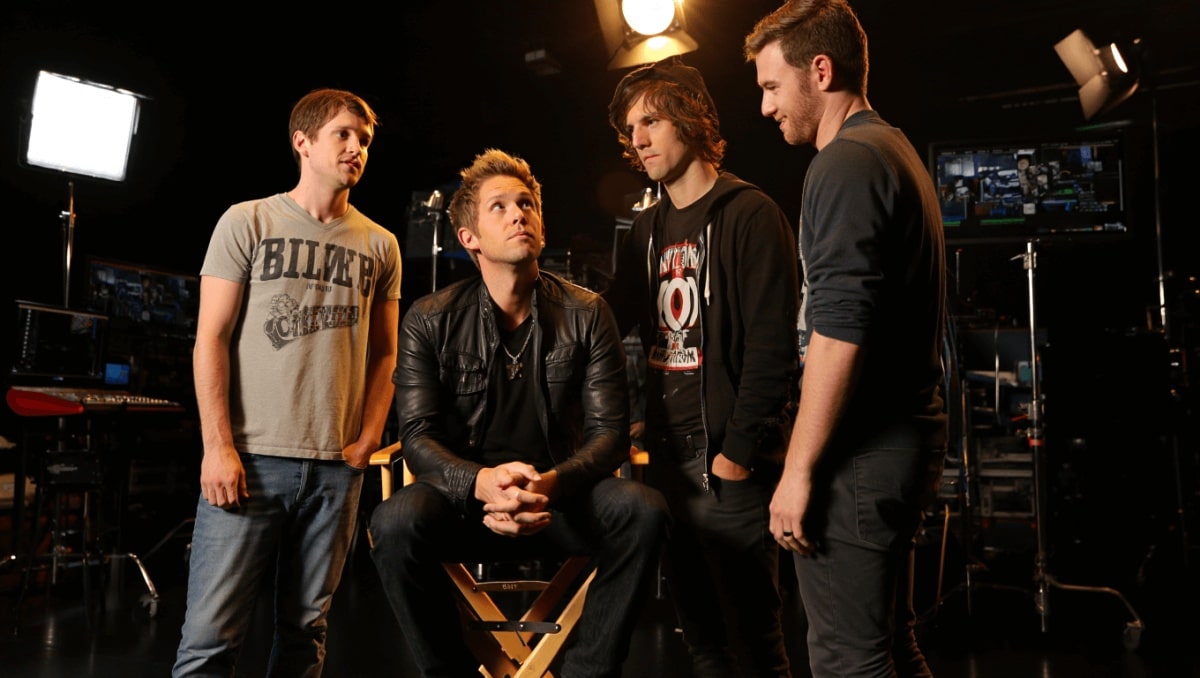
Fall Out Boy has always treated its music videos like a playground. Over two decades the band mixed high-concept storytelling with goofy, theatrical flourishes. Their visuals became as talked-about as their lyrics. Recently, an unexpected fan-made clip by actor Glen Powell rekindled that admiration and led to a surprising offer from the band.
Teenage filmmaker recreates an emo classic
Long before Glen Powell became a familiar face in Hollywood, he was a teenager with a camera and an ambition to make mood-driven films. At 17 he shot a lo-fi, atmospheric take on Fall Out Boy’s breakout single “Sugar, We’re Goin Down”. He recently showed the clip on Saturday Night Live, where it caught the eye of viewers and the band alike.
Nas slams music industry over disrespect: teases new music, vows to address it
1992 vocal performances: 3 jaw-dropping moments that still amaze
The short video is not a shot-for-shot remake of the original. Instead, it leans into raw emotion and earnest teenage aesthetics. The footage feels homegrown: grainy textures, restrained direction, and Powell’s intense delivery of the opening lines. It’s a youthful experiment that reveals a clear cinematic impulse.
Powell’s early years behind the camera
Powell told the SNL audience he didn’t appear overnight. He grew up directing student films and local projects. Even as a teen, he pursued short films that took creative risks.
- Student films and experimental shorts
- Local commercials and community spots
- Small-scale internet projects and safety videos
He cites influences like the French New Wave in his early work. That background explains the moody palette and deliberate pacing of his teenage music video.
Why Fall Out Boy videos are cultural markers
Fall Out Boy’s music videos have long been part of pop-punk lore. From the mid-2000s surge, a few clips helped define the band’s image. The 2005 era gave fans three highly recognizable videos. Those visuals were equal parts theatrical and emotional. Over time, the band’s later releases only grew more cinematic.
Important to note:
- Early videos helped cement the band’s identity.
- Later work expanded into ambitious narratives.
- The band frequently references its own history in new releases.
That self-referential approach is part of what makes a fan-made rendition so resonant. A teenage reinterpretation of an earlier hit feels like a bridge between eras.
How the band responded on social media
Fall Out Boy didn’t ignore Powell’s clip. They publicly tagged him and asked a simple question: “want to direct the next fob music video?” Given the group’s wry public persona, the invitation felt genuine. The ask arrived at a moment when nostalgia for the band’s earlier work is strong.
The timing also aligns with a milestone. One of the band’s breakthrough albums recently marked an anniversary. That anniversary creates an obvious opportunity to revisit past material — and to bring in unexpected collaborators.
What Powell’s early clip reveals about his style
The teenage video shows several traits that can translate to a professional music-video gig:
- Economy of storytelling. Powell packs mood into short scenes.
- Visual risk-taking. He favors texture and tone over polish.
- Emotional sincerity. His performance feels lived-in, not performative.
Those qualities match well with Fall Out Boy’s willingness to blend sincerity and camp. The band’s visuals have room for directors who can balance drama and self-awareness.
Possible directions for a new collaboration
If the band follows through, several outcomes are plausible. They could hire Powell to direct a high-budget, narrative clip. Or they might embrace a hybrid: a formal production with moments of lo-fi intimacy. There’s also the tantalizing possibility the band might officially release Powell’s teenage take as bonus material for an anniversary package.
- A fully produced, cinematic music video with Powell at the helm.
- A stylized piece that nods to the band’s earlier era.
- An archival release or anniversary edition featuring Powell’s original clip.
Fan reaction and media buzz
Fans and music writers reacted fast. Social feeds lit up with nostalgia, praise for Powell’s early talent, and curiosity about what the band might do next. The moment blends celebrity culture with music fandom in a way that favors viral discovery.
Key talking points:
- How a teenager’s home video can catch the attention of major artists.
- What celebrity endorsement does for a DIY filmmaker’s profile.
- How legacy acts use anniversaries to re-engage fans.
Industry implications for actors-turned-directors
Powell’s story is a reminder that many actors pursue creative work behind the camera. Studios and labels are increasingly open to hybrid talents who bring performance experience and a director’s eye. A successful collaboration between Fall Out Boy and Powell could encourage more crossovers.
Benefits include:
- Fresh visual language for established acts.
- New opportunities for performers to expand into directing.
- Increased fan engagement through unexpected partnerships.
What to watch for next
Keep an eye on the band’s channels for updates. If Fall Out Boy makes the offer official, announcements will likely appear on social media and via press posts. Fans hope for a creative pairing that honors the past while pushing the band’s visuals forward.
Photo credit: Daniel Boczarski/Getty Images











