
Show summary Hide summary
- From The Chronic to a new era: building a legacy in motion
- Leaving Death Row and founding Aftermath Records
- Why 2001 mattered: a sonic and commercial comeback
- Crafting the album like a film: Dre’s production method
- Tracks, collaborators, and the cultural footprint
- How critics and peers described his approach
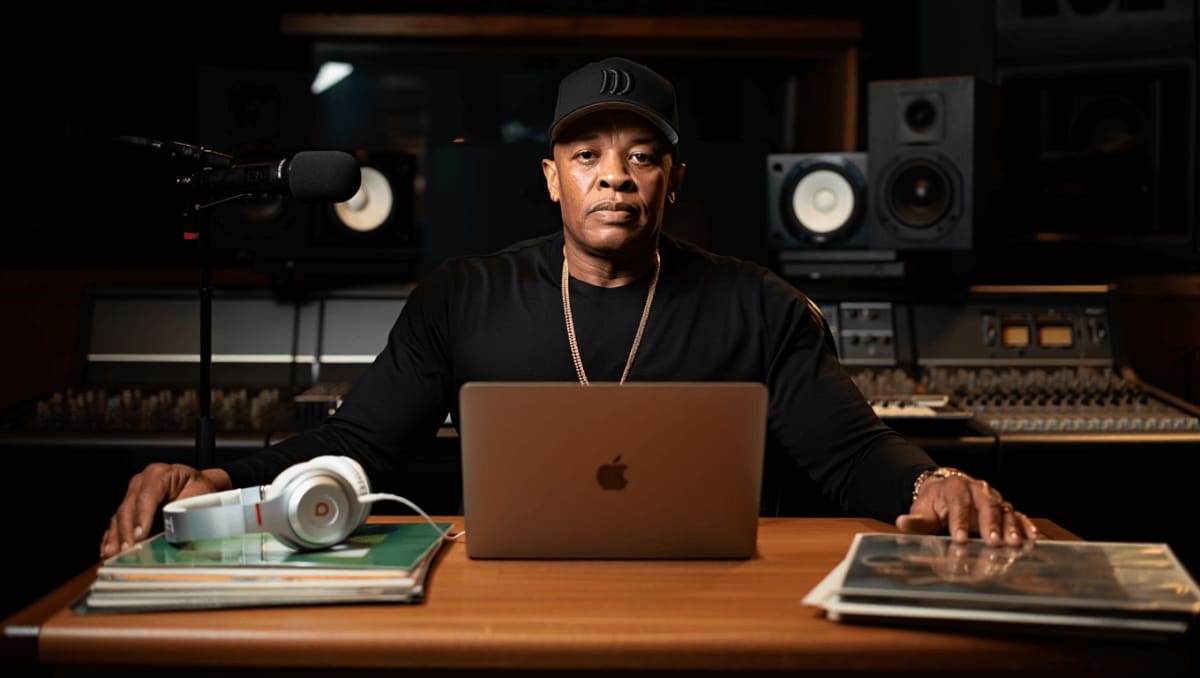
Twenty-six years ago today, Dr. Dre dropped the record that would cement his second act as a titan of hip-hop. 2001 arrived as a statement, a sequel to earlier breakthroughs, and a proof point that Dre could still define the West Coast sound for a new era.
From The Chronic to a new era: building a legacy in motion
Before 2001, Dre had already changed rap music. He popularized G-funk and produced landmark records.
Nas slams music industry over disrespect: teases new music, vows to address it
1992 vocal performances: 3 jaw-dropping moments that still amaze
He helped launch Snoop Dogg’s profile through hits that became cultural touchstones. He was the sonic backbone of Death Row Records. He also created one of the most memorable collaborations in rap history, pairing artists with hits that reached beyond hip-hop.
But the late 1990s brought turmoil. As Death Row unraveled, Dre made a pivotal business and creative decision.
Leaving Death Row and founding Aftermath Records
Dre walked away from the collapsing label amid legal and financial conflict. He then co-founded Aftermath Records with Jimmy Iovine and Interscope.
That move gave him independence and a fresh platform. It also set the stage for his role as a talent scout and mentor.
- Eminem — Dre signed and introduced him to a global audience.
- New production freedom — Dre could control the sound and business direction.
- Industry credibility — Aftermath soon carried the weight of major releases.
Why 2001 mattered: a sonic and commercial comeback
The album gave Aftermath major legitimacy. It was meant to pick up where The Chronic left off, but it also expanded the palette.
Originally intended to carry the name The Chronic 2000, the project changed titles after legal pushback. That shift did not dilute its ambition.
2001 married the G-funk lineage with modern studio techniques. The result was an album both familiar and forward-looking.
Crafting the album like a film: Dre’s production method
Dre approached the record with cinematic intent. He organized songs and interludes to create emotional peaks and turns.
In the studio, he worked methodically. He often started with programmed beats and then layered live players over that grid. Musicians were brought in to jam, then isolated to refine a single part until it fit the vision.
This process prioritized texture and clarity. The engineer’s role and the musicians’ responsiveness shaped every finished track.
Studio rituals and attention to detail
- Beat programming followed by live overdubs.
- Selective isolation of instrumental parts.
- Deliberate placement of skits, pauses, and tonal shifts.
Tracks, collaborators, and the cultural footprint
2001 contained songs that quickly became staples on radio and in clubs. Producers and guest artists added depth across the record.
- Still D.R.E. — A signature single that announced Dre’s return.
- Forgot About Dre — A sharp rebuttal to critics, featuring memorable vocals.
- Xxplosive — Lauded for its layered production and cinematic feel.
- Additional cuts that balanced aggression, introspection, and humor.
The album earned multi-platinum status and extended Dre’s influence beyond production. It confirmed his skill as a curator of talent and sound.
How critics and peers described his approach
Contemporaries noted that Dre’s sessions felt like directed performances. He kept a tight circle of musicians and moved quickly when inspiration struck.
People who worked with him described disciplined sessions. When Dre heard something promising, he focused the player and shaped the part until it matched the concept.
That relentless refinement is one reason the album still sounds so precise decades later.










