
Show summary Hide summary
In the high-pressure world of early-1990s rock, a single hallway encounter could become a defining moment. In 1993, two of grunge’s most recognizable voices crossed paths once — a brief meeting that has since been retold as awkward, revealing, and oddly human. The exchange captured tensions bubbling under the genre’s meteoric rise and hinted at the personal struggles behind the public personas.
A charged encounter behind the curtain
The meeting took place during a packed run of shows in 1993, when grunge bands were headline news. Backstage areas were cramped and chaotic. Touring schedules left little room for downtime.
KATSEYE postpones another concert: illness details remain undisclosed
Cupertino: a stylish legal drama packed with tech twists

- Timing: Both singers were at peaks in their careers.
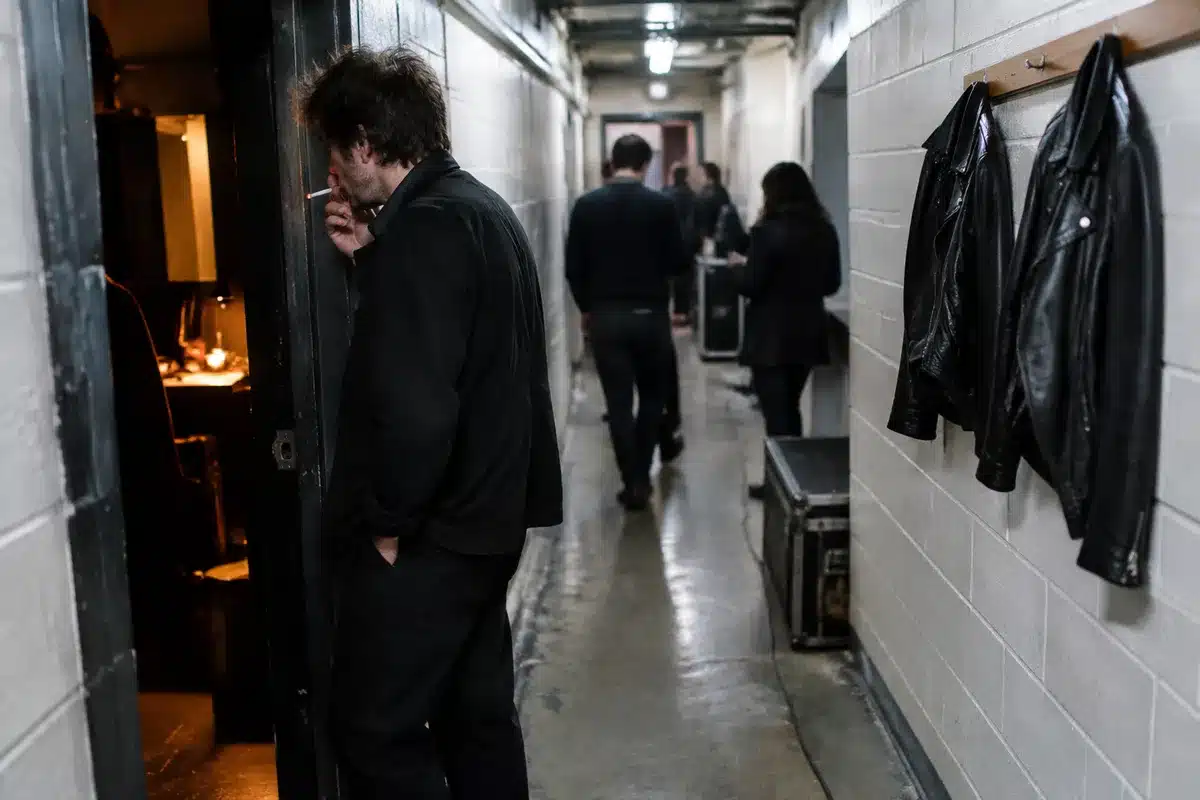
- Location: A narrow corridor leading from dressing rooms to the stage.
- Atmosphere: Loud, rushed, and full of handlers and road crew.
Eyewitnesses describe a silent microcosm of the era: cameras flashing outside, cigarettes lit in corners, managers negotiating. In that compressed space, a short exchange spiraled into an uncomfortable moment. No fists were thrown. No dramatic outbursts made headlines. Instead, it was the awkwardness of two icons trying to read each other amid pressure and expectation.
What made the encounter feel so tense
Several forces converged to shape the awkward tone. Grunge had shifted from underground to mainstream. Personal histories and band rivalries added layers to every interaction.
- Media scrutiny amplified ordinary friction.
- Creative competition heightened sensitivity.
- Personal issues—fatigue, nerves, privacy concerns—made small moments volatile.
Misread cues were central. A curt nod, a skipped handshake, or a comment meant as a joke can land badly under stress. In this instance, witnesses say body language and timing caused misunderstanding, and neither party smoothed it over in public.
How the press and fans reacted at the time
News outlets and tabloids were hungry for drama. The awkward meeting, brief as it was, became fodder for stories that framed grunge as fractious.
- Columnists interpreted silence as a rift.
- Fan forums and fanzines debated loyalty and authenticity.
- Record executives watched headlines for any hint of trouble.
Some fans read the exchange as symbolic: a clash between different approaches to fame. Others saw it as a reminder that the artists were human, prone to awkwardness like anyone else.
Behind the scenes: perspectives from crew and friends
People close to the bands offered context often missing from headlines. Road managers and stagehands remember logistics, not drama. Close friends emphasize exhaustion rather than hostility.

Common recollections from insiders
- Both singers were exhausted from touring.
- Security presence made natural interaction difficult.
- Conversations that night were interrupted repeatedly.
One crew member later said the moment was blown out of proportion. Another recalled that both artists exchanged polite words after the incident, away from cameras. These behind-the-scenes accounts suggest the public narrative exaggerated tension.
Why the story still surfaces in grunge lore
Short encounters become stories when they seem to sum up larger themes. In this case, the awkward meeting has been retold as shorthand for the era’s contradictions.
- It highlights the clash between underground roots and mainstream fame.
- It shows how public perception can differ from private reality.
- It reminds fans that icons are imperfect people.
The meeting endures in interviews, documentaries, and conversation because it feels emblematic. It adds nuance to the mythology around grunge and its leading figures.
Moments that changed nothing and revealed a lot
Not every awkward moment reshapes careers. This one did not. Yet it offered a candid glimpse at how fame can awkwardly force together people with shared histories and different coping styles.
- Neither artist altered their tour or music because of the incident.
- Still, the exchange became a marker in retrospective narratives.
- For many fans, it humanized their heroes.
As decades pass, these small episodes gain weight in the collective memory. They help explain how a cultural movement produces both solidarity and strain among its brightest stars.










