Show summary Hide summary
- What about the photo made it so contentious?
- How the former president reacted online
- Responses from political figures and outlets
- How broadcasters framed the story
- Social media reaction and meme culture
- Examples of public replies
- Why editorial portraits ignite political debate
- What photographers and editors consider
- How this episode fits a pattern
- Questions the debate raises for readers
- What to watch next
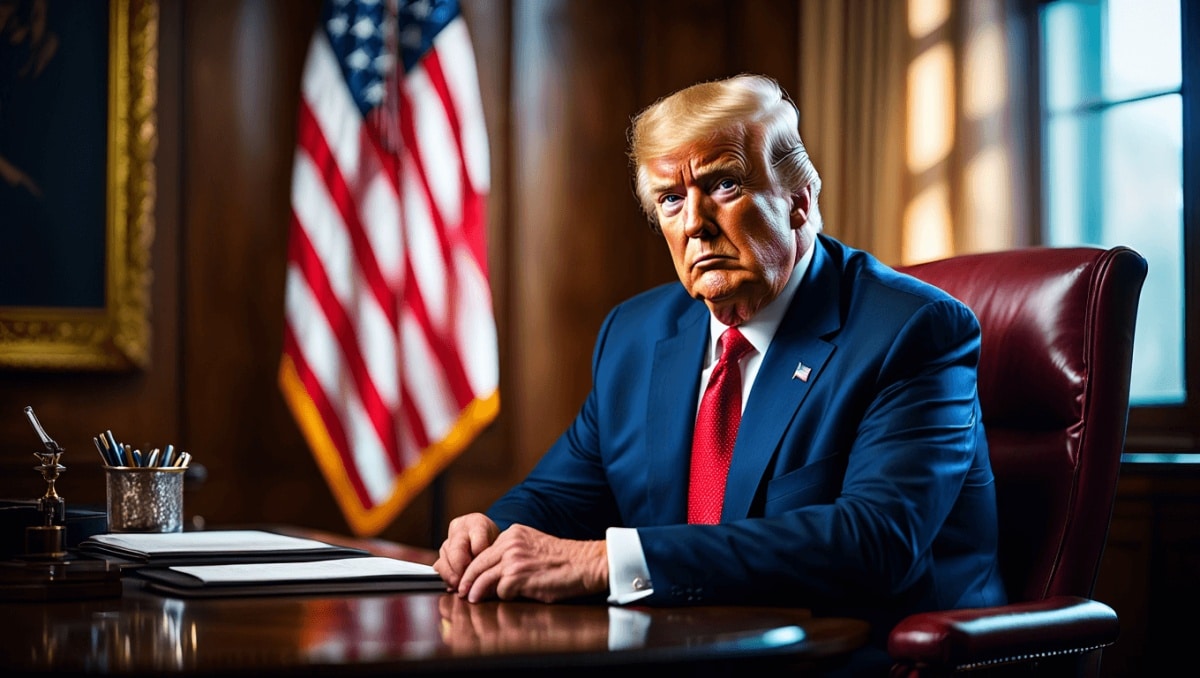
The latest magazine portrait of Donald Trump has blown up across social platforms, reigniting a familiar debate about how public figures are pictured. A single cover image set off a cascade of posts from the former president, barbs from commentators, and meme-ready replies. The back-and-forth touched everything from editorial taste to political theater.
What about the photo made it so contentious?
Photographers and editors make many stylistic choices. This time, the magazine picked a dramatic angle and heavy retouching. That combination changed how viewers recognized the subject.
Pusha T slams today’s rap: everyone can just be good and be the same
80s British indie bands that changed American alternative rock forever
- Angle and lighting: The downward perspective altered facial proportions.
- Editing choices: Cropping and overlays softened some features and added visual elements.
- Perception: For some readers the image read as unflattering. For others, it felt artistic or symbolic.
How the former president reacted online
Donald Trump posted a sharp response on his platform. He criticized the image and questioned the magazine’s intentions. His message framed the cover as a deliberate slight.
Key themes in his post
- Complaints about the angle used for the shot.
- Claims that editorial choices distorted his appearance.
- Accusations that the outlet was being disrespectful.
Responses from political figures and outlets
The portrait drew quick replies from high-profile sources. California’s governor and several networks joined the conversation.
- Gavin Newsom: Shared his own take, turning the moment into public commentary.
- Conservative media: Some anchors questioned whether the photograph matched reality.
- Mainstream outlets: Analysts debated whether the image was an editorial statement or simply a poor choice.
How broadcasters framed the story
On air, commentators emphasized recognition and accuracy. They argued the cover did not resemble the person they know. That line of critique focused less on art and more on representation.
Social media reaction and meme culture
Online replies ranged from mocking to defensive. The story slipped quickly into memes, replies, and image comparisons.
- Some users said the photo truly captured how the subject looks to them.
- Others dismissed the fuss, comparing the cover to past staged or altered images.
- A sizeable group treated it as another moment in a long culture-war cycle about media bias.
Examples of public replies
Comments fell into a few predictable buckets. They revealed how visual media can amplify political divides.
- Agreement: Viewers who felt the portrait was unflattering.
- Deflection: People who joked that the image could have been worse.
- Contextualizers: Users pointing to editorial trends and similar past covers.
Why editorial portraits ignite political debate
Magazine covers do more than show faces. They carry messages. An editorial portrait can signal praise, critique, irony, or neutrality.
- Symbolism: Choices in composition and post-production suggest meaning.
- Audience expectations: Longtime readers expect certain tones from established outlets.
- Political timing: When a portrait appears amid heated news cycles, its impact multiplies.
What photographers and editors consider
Behind a cover, teams debate narrative, branding, and readership. Creative risks sometimes spark praise. Other times they trigger backlash.
- Storytelling intent vs. faithful likeness.
- Balancing artistic statement with journalistic integrity.
- Anticipating how different audiences will react.
How this episode fits a pattern
This is not the first time a presidential image has become a flashpoint. Similar episodes show how visual representation and politics collide.
- Past magazine covers have led to public rebuttals.
- Social platforms accelerate attention and amplify outrage.
- The cycle tends to include a high-profile complaint, media discussion, and viral replies.
Questions the debate raises for readers
Beyond the laughs and the outrage, the controversy prompts practical queries.
- Should editorial covers prioritize likeness over concept?
- When does artistic framing become misrepresentation?
- How much should public figures expect in the way of visual critique?
What to watch next
Expect further commentary from media figures and more social posts. The conversation will likely keep circling between artistic intent and political interpretation.