

Show summary Hide summary
- Why rising prices matter to the MAGA base
- How campaign finance and grassroots activity feel the pinch
- Everyday spending choices alter political messaging
- Policy tensions that sharpen supporters’ frustration
- How local communities show early signs
- Voter psychology: anger, fatigue, and shifting priorities
- Potential campaign responses and rapid pivots
- What this means for political dynamics going forward
Inflation is no longer an abstract economic headline. It is denting wallets, reshaping daily choices, and quietly changing the way some MAGA supporters engage with Trump’s movement. What began as broad frustration with rising prices has turned into a set of unexpected political and practical consequences for the base that powered his rise.
Why rising prices matter to the MAGA base
Everyday costs shape political behavior. When food, gas, and rents climb, voters take note. For many Trump supporters, these increases cut into discretionary income. That affects travel to rallies, small-dollar donations, and the time people can volunteer.
KATSEYE postpones another concert: illness details remain undisclosed
Cupertino: a stylish legal drama packed with tech twists

- Smaller wallets mean fewer small donations. People who once contributed ten or twenty dollars now trim nonessential expenses first.
- Fuel and travel costs reduce rally attendance. Long drives become harder to justify for some supporters.
- Household budgeting becomes more urgent. Attention shifts from national messages to immediate needs.
How campaign finance and grassroots activity feel the pinch
Political campaigns depend on both large donors and many small contributors. The latter are especially sensitive to inflationary pressure.
- Recurring micro-donations can drop when families cut extras.
- Volunteer hours may fall as workers juggle extra shifts or caretaking responsibilities.
- Merchandise sales at events decline if attendees skip nonessentials.
Campaigns that rely heavily on grassroots energy risk seeing a quieter base. That matters in close states and tight primaries.
Everyday spending choices alter political messaging
Issues that were once background noise move to the front. Voters who worry about groceries expect concrete solutions. That forces campaigns to adapt their talking points.
Messaging shifts candidates might make
- Emphasize cost-of-living relief plans.
- Highlight policies aimed at lowering energy and food prices.
- Promote targeted tax relief for working families.
Failure to respond can create dissonance between long-standing rhetoric and present expectations.
Policy tensions that sharpen supporters’ frustration
Some economic positions linked to Trump-era policy can conflict with the goal of lowering prices. Tariffs, trade stances, and regulatory shifts can push import costs up.
- Tariff-related price increases can hit household budgets directly.
- Supply-chain disruptions, regardless of cause, often translate to pricier goods.
- Inflation tied to stimulus or fiscal policy may prompt debate within the base.
These contradictions create strains inside the movement. Supporters seek simple answers but face complex trade-offs.
How local communities show early signs
Changes often appear first at the community level. Small business owners, truck drivers, and hourly workers give a ground-level view of inflation’s impact.
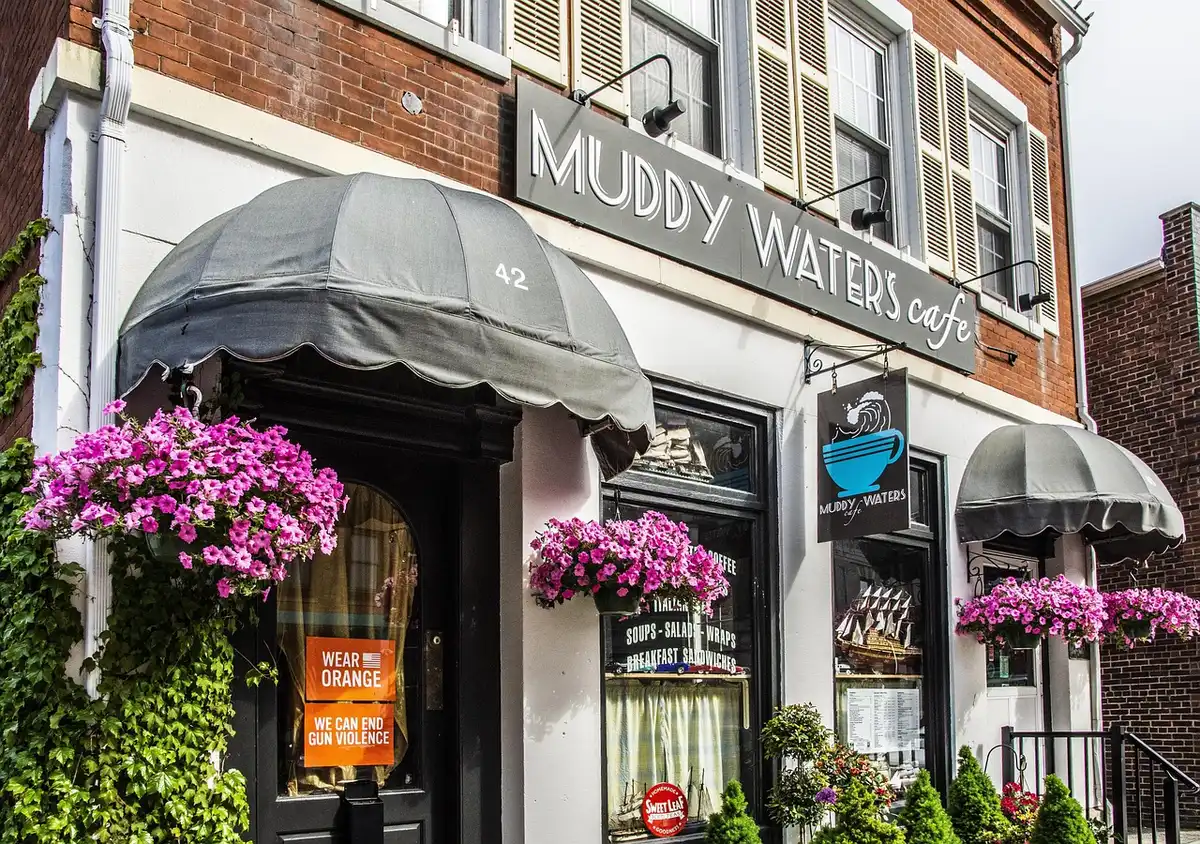
- Small shops report shoppers trading down to cheaper brands.
- Event organizers find lower turnout in outlying counties.
- Volunteer-driven programs can lose manpower as people prioritize paid work.
Local leaders, many of whom are active MAGA supporters, must balance partisan loyalties with practical needs in their neighborhoods.
Voter psychology: anger, fatigue, and shifting priorities
Economic pain produces a range of reactions. Some voters double down on support out of identity. Others grow skeptical when promised fixes feel slow or ineffective.
- Anger can translate into louder demands for change.
- Fatigue may lower turnout among those worn down by everyday pressures.
- Pragmatism can push voters toward candidates who promise immediate relief.
Potential campaign responses and rapid pivots
Political operations can respond quickly when base behavior shifts. Successful adaptations address both perception and pocketbook pressures.
- Promote targeted relief measures that voters can relate to immediately.
- Launch community-focused events that minimize travel costs for attendees.
- Boost local outreach and tools for small-dollar fundraising that fit tighter budgets.
Cutting through with simple, tangible proposals can restore momentum among supporters who felt overlooked.
What this means for political dynamics going forward
Inflation is not a static factor. It ebbs and flows. But its effect on grassroots energy, donations, and voter mood can shape campaigns in real time.
- Short-term economic pain can alter turnout in key districts.
- Messaging that addresses daily pressures tends to resonate more immediately.
- Internal debates about trade and fiscal policy may intensify within the movement.
As prices affect daily life, political strategy must follow. Supporters who once rallied for broad themes increasingly watch their wallets. That shift creates new pressures on leaders and campaigns to deliver clear, actionable relief.










