Show summary Hide summary
- How a podcast clip turned into a national story
- Who are the hosts and why the interview mattered
- The question at the center of the controversy
- Booker’s stance and his defense
- Money, influence, and why critics pointed to donations
- Social media reaction: viral views and cultural moments
- What commentators say about Democratic politics and messaging
- Calls for tougher interviews and a new media role
- Key facts to keep in mind
- Voices reacting in real time
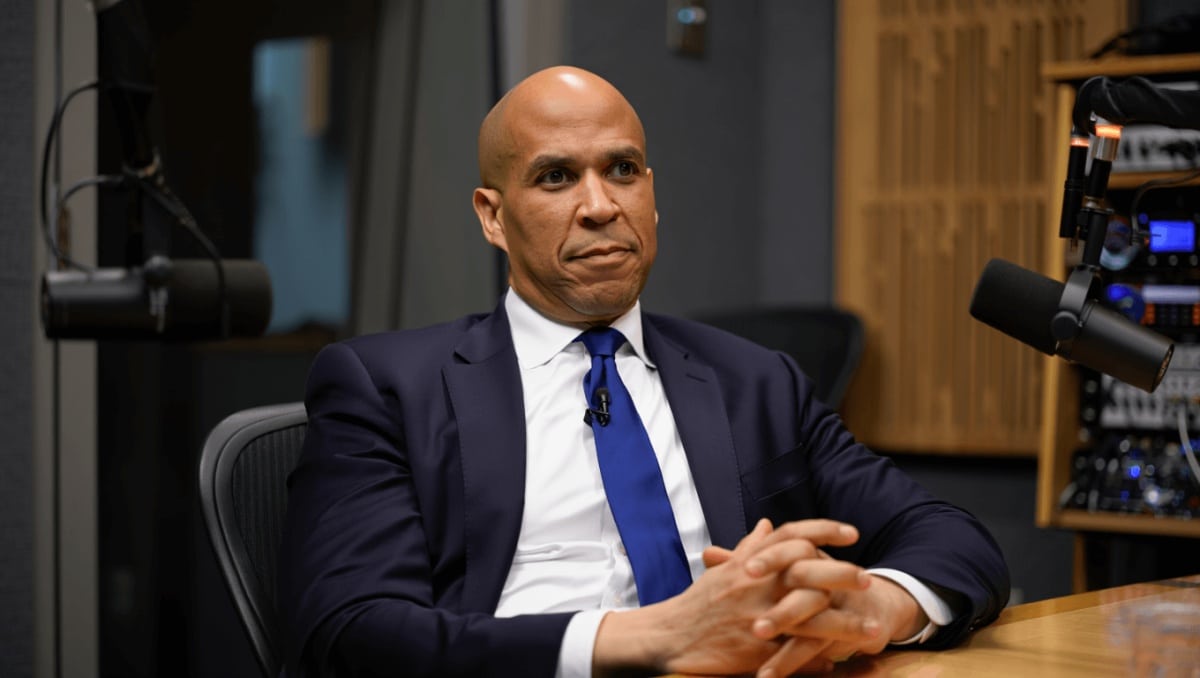
The internet lit up after a tense exchange on the podcast I’ve Had It, when cohosts Jennifer Welch and Angie Sullivan pressed Senator Cory Booker on Israel’s conduct in Gaza. A short clip from the episode has gone viral, sparking debate about party loyalty, foreign policy, and how Democrats answer hard questions in public forums.
How a podcast clip turned into a national story
A segment from Tuesday’s show captured a pointed line of questioning aimed at the senator. The clip circulated widely on X and other platforms, drawing millions of views and thousands of responses. Viewers replayed the moment and debated whether the interaction exposed a disconnect between Democratic leadership and the party’s progressive base.
Pusha T slams today’s rap: everyone can just be good and be the same
80s British indie bands that changed American alternative rock forever
Who are the hosts and why the interview mattered
Jennifer Welch and Angie Sullivan, once familiar faces on reality TV, now run a political podcast that has become a magnet for left-leaning audiences. Their show blends pop-culture tone with sharp political questioning. That mix set the stage for an interview that many expected to be friendly — and that quickly became consequential.
The question at the center of the controversy
The hosts asked Booker to characterize Israeli Prime Minister Benjamin Netanyahu’s actions. The exchange zeroed in on whether the Israeli leader should be labeled a war criminal. The issue carries weight beyond rhetoric: international reporting places the civilian death toll in Gaza in the tens of thousands over two years, with a large share of victims children.
Booker’s stance and his defense
The senator pushed back on the framing of the questions as litmus tests. He argued that repetitive public questioning can distract from urgent efforts to end the conflict. Booker emphasized prioritizing effective leadership and crisis resolution over terse soundbite answers.
He ultimately conveyed that Netanyahu’s conduct is morally and politically worse than former President Trump’s, a response that intensified reaction across social media.
Money, influence, and why critics pointed to donations
Observers immediately noted another factor: Booker’s campaign and political network have received substantial contributions tied to pro‑Israel advocacy groups. Online commentators argued those ties might shape a lawmaker’s willingness to use blunt language about Israel.
- Activists flagged large donations and suggested a possible conflict between political funding and candid public critique.
- Others warned the optics of such funding complicate efforts to appear independent on foreign‑policy questions.
Social media reaction: viral views and cultural moments
The clip amassed nearly eight million views on the podcast’s X account and spurred a wave of reposts. Responses ranged from praise for the hosts to scathing takes about the Democratic establishment.
- Some users celebrated Welch’s interviewing style and blunt follow-ups.
- Others suggested party aides misjudged how the audience would respond to a so‑called soft interview.
- A number of progressive voices framed the moment as a preview of the scrutiny candidates will face ahead of future primaries.
What commentators say about Democratic politics and messaging
Online commentators framed the exchange as symptomatic of wider tensions within the Democratic coalition. Many progressives feel party elites fail to speak plainly on foreign policy. The episode amplified concerns that political operatives underestimate how primary voters will react to evasive or cautious answers.
Recurring themes in the reaction
- Frustration with cautious rhetoric from mainstream Democrats.
- A call for more direct, yes-or-no clarity from leaders.
- Demand for debates and interviews that test candidates beyond scripted responses.
Calls for tougher interviews and a new media role
Some viewers suggested Welch and Sullivan should be given higher-profile platforms to question candidates. The moment fed a broader conversation about who should moderate debates and how to hold politicians accountable in public interviews.
Key facts to keep in mind
- The exchange occurred on the podcast I’ve Had It and featured Senator Cory Booker.
- The clip spread rapidly on social platforms and drew millions of views.
- Commenters raised questions about pro‑Israel donations and political independence.
- Observers argued the episode highlights deeper divisions over how Democrats discuss Israel and Gaza.
Voices reacting in real time
Across social feeds, people alternated between praising the hosts and criticizing the senator. Many posts joked about party staffers miscalculating the interview’s tone. Others saw the segment as an early marker of how candidates will be grilled by more confrontational media in the coming years.