Show summary Hide summary
- What unfolded on stage: Coco Jones’ measured response
- How the clip became viral: spread and reactions
- Black audiences respond: similar stories surface
- Public conversation: artists, media outlets, and commentary
- Why this matters: context beyond a single show
- What audiences and venues are saying now
- Social media’s role: amplification and community response
At a recent live show, singer Coco Jones faced a racist heckler and chose a restrained, poised response that quickly spread across social platforms. The clip of her calm rebuttal has become a viral moment, prompting thousands to repost and relate. What began as a short stage exchange quickly opened a larger conversation about everyday racism and the emotional labor Black people carry in public spaces.
What unfolded on stage: Coco Jones’ measured response
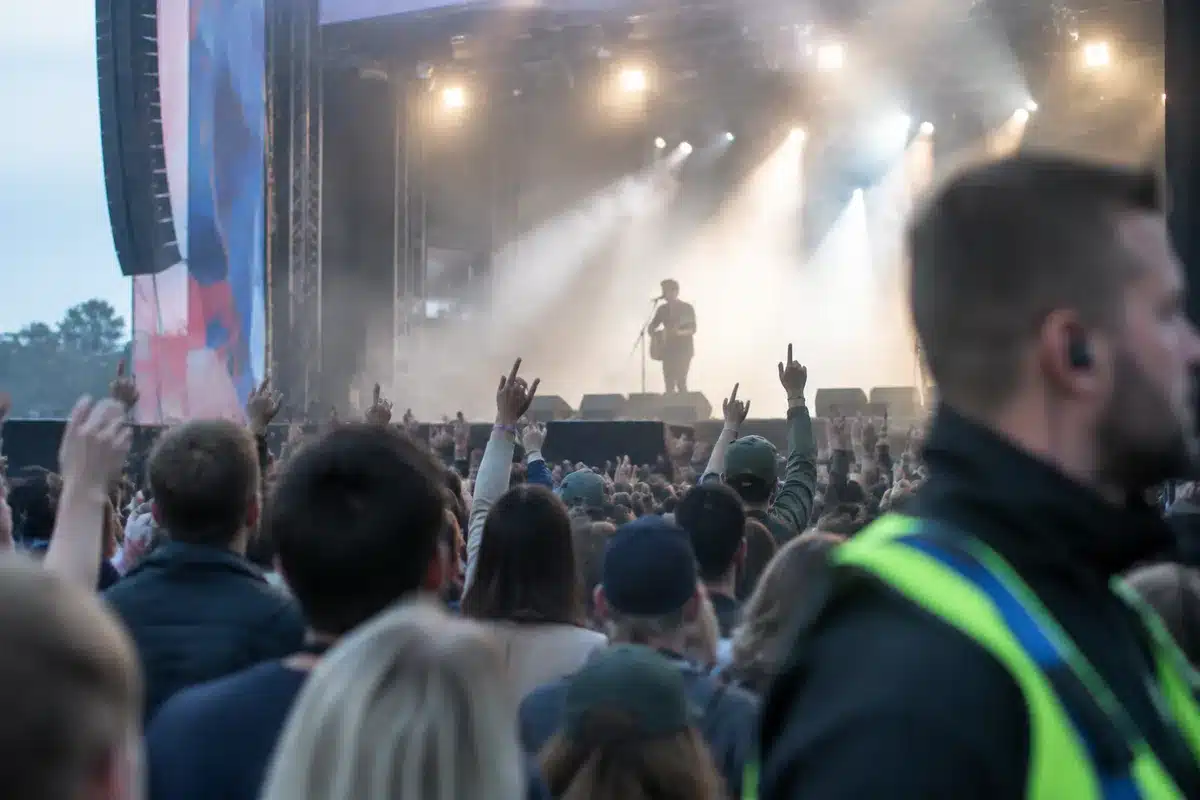
During the performance, an audience member shouted a racist remark meant to provoke. Instead of escalating, Coco Jones replied with composure. Her controlled words and body language steered the moment away from chaos.
Coco Jones’ viral reaction to racist heckler: Black people share heartbreaking similar stories
MacBook Pro OLED review: the Ternus era’s first slam dunk
The interaction showed a performer refusing to be baited, and the clip captures both the slur and her dignified comeback. Fans praised her for handling a hostile situation while keeping the show going.
How the clip became viral: spread and reactions
Video of the incident circulated within hours. Short-form platforms amplified the moment, and influencer accounts passed the clip to millions. Hashtags tied to the singer and the phrase “Classy And Composed” trended briefly.
- Major reposts came from music pages and civil-rights accounts.
- Comment threads filled with eyewitness accounts and timestamped clips.
- Journalists and broadcasters referenced the moment in evening coverage.
Many reposts framed the moment as a lesson in dignity under pressure. Others focused on the ugliness of the heckle and the need for safer concert spaces.
Black audiences respond: similar stories surface
After the clip circulated, Black users began sharing painfully similar experiences. Threads and replies quickly filled with anecdotes from concerts, workplaces, and public transit.
- People recalled being shouted at or targeted while simply going about their night.
- Some noted the added burden of remaining calm to avoid escalation.
- Others described long-term emotional effects — anxiety, hypervigilance, and distrust.
These replies framed Jones’ reaction as familiar rather than exceptional. For many, staying composed is not a choice so much as a survival strategy.
Common themes in shared experiences
- Expectation to be pliant: Black people often feel pressure to defuse conflict.
- Media framing: Incidents that involve Black restraint are sometimes praised while systemic causes are ignored.
- Emotional labor: Constantly educating or calming aggressors takes energy and time.
Public conversation: artists, media outlets, and commentary
Other performers weighed in, offering support or sharing their own stage stories. Music industry insiders discussed protocols for protecting artists from hostile fans.
- Some venues issued statements about audience behavior policies.
- Celebrities expressed solidarity on social channels.
- Commentators debated whether such incidents are isolated or part of a larger trend.
News outlets used the clip to examine intersectional issues: safety at live events, the burden of respectability politics, and how viral moments shape public memory.
Why this matters: context beyond a single show
That short exchange illuminates ongoing tensions in public life. It highlights how racism can intrude into everyday leisure and how victims often carry the responsibility to de-escalate.
Experts say the fallout from these incidents can be long-lasting. Psychologists point to increased stress responses after public confrontations. Cultural analysts note how viral clips can generate solidarity but also risk simplifying complex histories.
What audiences and venues are saying now
Calls for better event security and clearer venue policies gained traction. Fans urged organizers to do more to protect performers and attendees.
- Proposals included zero-tolerance rules for hate speech.
- Some suggested improved staff training in de-escalation.
- Others pushed for on-site reporting systems to document incidents in real time.
Meanwhile, many users amplified personal stories to press for structural change rather than isolated apologies.
Social media’s role: amplification and community response
Platforms moved quickly to label and moderate content, but users argued moderation is reactive. The viral clip shows how social media can surface injustices and build immediate community support.
For many Black users, online platforms provide a place to process trauma collectively. At the same time, those platforms can retraumatize when clips are shared without context or consent.