Show summary Hide summary
When two of hip-hop’s most influential figures squared off, the spotlight fell on a debate that could shape the future of music. Dr. Dre used the platform to reinforce his warnings about artificial intelligence and its impact on artists. Ice Cube pushed back with a different perspective, and the exchange opened fresh questions about rights, royalties, and the role of tech in creativity.
Why Dr. Dre is sounding the alarm on AI in music
Dr. Dre has long been vocal about protecting artists’ livelihoods. In the recent discussion, he emphasized the risks tied to AI-generated vocals and compositions. His argument focuses on three core fears:
JK Rowling defiant after threats: calls trans activism elitist
Fred Durst for president: Limp Bizkit frontman teases presidential bid, urges fans to vote

- Unauthorized replication: AI can clone voices and styles without consent.
- Lost revenue: Streamed, AI-created tracks could reduce income for original artists.
- Creative dilution: Mass-produced imitations may erode the value of unique artistry.
Those concerns tap directly into ongoing industry debates about copyright, moral rights, and fair compensation.
How Ice Cube framed the technology debate
Ice Cube responded with a broader view of technological change. He acknowledged risks but also noted how new tools can create opportunities.
- AI can democratize music production.
- Emerging tech may open new revenue streams for some creators.
- Regulation, not fear, should guide adoption.
His stance places emphasis on balance: harnessing AI’s power while protecting creators.
Real-world examples shaping the argument
Several recent cases make the debate concrete. Lawsuits over voice cloning and disputed samples have hit headlines. Streaming services face questions about metadata and payouts. Producers and engineers report being offered AI-assisted work as a cheaper alternative.
- Voice-cloning incidents raise consent issues.
- Royalty allocation systems struggle with AI contributions.
- Licensing frameworks lag behind rapid tech advances.
Legal and ethical solutions on the table
Experts and industry leaders are proposing a mix of policy and technical fixes. These ideas aim to protect authors while allowing innovation.
Policy recommendations
- Clearer copyright definitions for AI-generated content.
- Mandatory attribution when AI uses an artist’s voice or likeness.
- Compulsory licensing frameworks that ensure payment to original creators.
Technical safeguards
- Watermarking AI outputs to trace origins.
- Verification protocols for AI-generated vocals.
- Transparency standards from platforms and labels.
What artists and labels can do now
While lawmakers catch up, stakeholders can take immediate steps. Many creators are already adapting contracts and workflows to address AI threats.
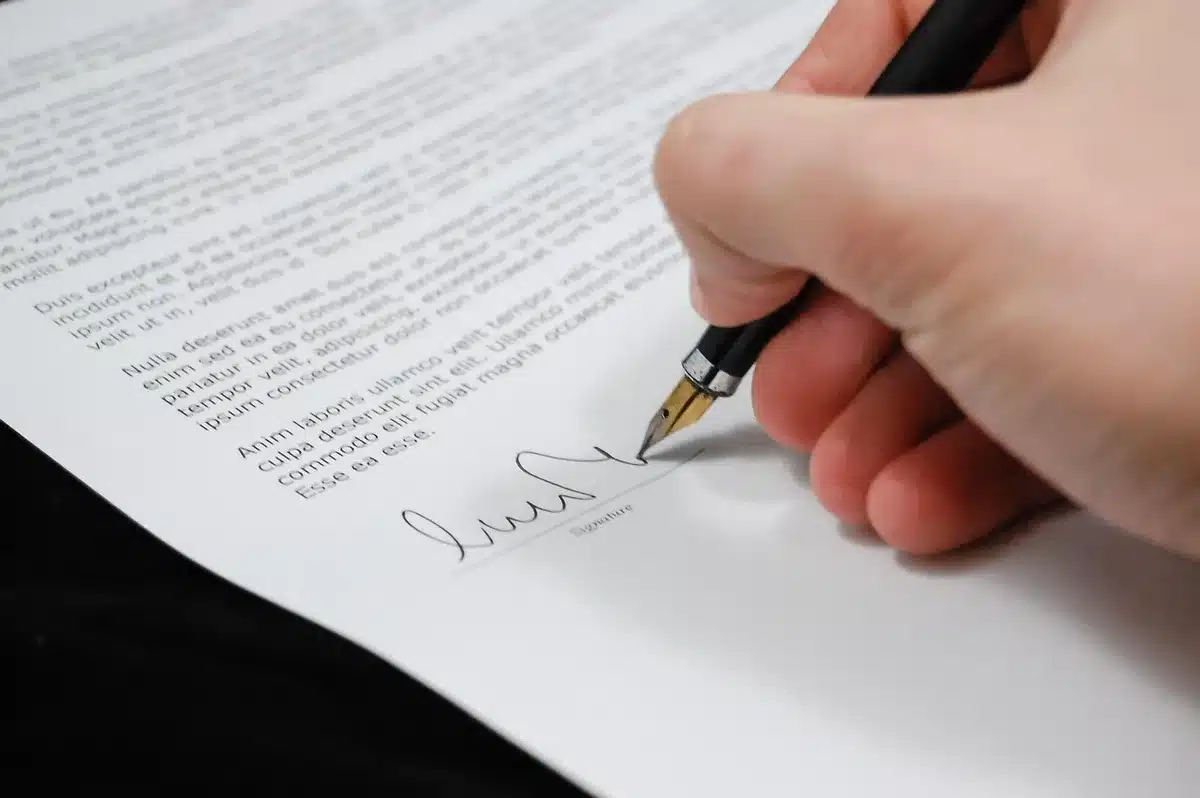
- Update recording contracts to include explicit AI use clauses.
- Register vocal signatures or unique performance markers when possible.
- Demand platform-level transparency about AI usage in releases.
Industry reactions and the future of music rights
Record labels, unions, and rights organizations are moving toward unified positions. Some are lobbying for stronger protections. Others explore ways to monetize licensed AI uses so artists benefit.
The key tension remains between innovation and regulation. How the music business resolves that tension will influence careers and culture for years.