Show summary Hide summary
- Keeping the core adventure intact for modern audiences
- Visual overhaul: puppetry-like art meets realistic detail
- Controls and combat: tighter movement, juicier hits
- Quality-of-life updates: Threads of Time and reduced Navi interruptions
- Audio and atmosphere: a refreshed orchestral palette
- Changes that split opinion: voice acting and difficulty shifts
- Small surprises and notable remixes
- Who will enjoy this Switch 2 remake?
Nintendo’s new take on The Legend of Zelda: Ocarina of Time lands as both a careful restoration and a vivid technical showcase for Switch 2. The team behind this remake clearly set out to preserve the game’s essence while polishing how it looks, sounds, and controls for modern players. Fans will find familiar landmarks and moments, but they will also notice thoughtful changes that shift the feel in subtle ways.
Keeping the core adventure intact for modern audiences
Nintendo chose fidelity over reinvention. The plot, dungeons, and most puzzles return with the same sequence and intent. That means veterans will recognize the flow of the story at once.
JK Rowling defiant after threats: calls trans activism elitist
Fred Durst for president: Limp Bizkit frontman teases presidential bid, urges fans to vote
- Dungeon layouts and boss encounters are largely faithful to the N64 original.
- Minor puzzles and a handful of boss fights have been tweaked to feel smoother.
- Major story beats and character roles remain unchanged.
This remake reads like a restoration of a classic painting. The lines are preserved, but the paint has been refreshed.
Visual overhaul: puppetry-like art meets realistic detail
The art direction blends stylized character designs with highly detailed surfaces. Faces remain cartoonish, while fabrics, hair, and terrain receive strikingly realistic textures.

- Characters show small personality beats through animation and expression.
- Environmental effects, like water and fog, react to the player in believable ways.
- The game runs close to a solid 60 frames per second, enhancing responsiveness.
The result reads as a handcrafted world with cinematic polish. On a large TV, grass, sunlight, and particle effects really pop. Some NPCs and monsters feel eerier than before thanks to detail and animation work.
Controls and combat: tighter movement, juicier hits
Movement and input have been modernized to reduce frustration. Link handles more crisply, and a new jump control helps avoid accidental falls.
- Sprint replaces constant somersaulting for faster traversal.
- Combat animations and hit feedback make attacks feel weightier.
- Lock-on combat and the rhythm of encounters remain familiar.
The handling changes preserve the original game’s structure while improving the feel. The combat loop is the same, but the execution feels more satisfying.
Item mapping and quick-swap mechanics
The remake adapts item use to modern controllers. Instead of mapping three items to C-buttons, the game uses a single “use item” input plus a fast swap menu.
- This simplifies controls for contemporary gamepads.
- It can make multi-item situations feel a touch clunkier in combat.
- The quick-swap menu is responsive, but not a perfect substitute for instant access.
Quality-of-life updates: Threads of Time and reduced Navi interruptions
New systems aim to ease aimless wandering without removing challenge. A quest-style Threads of Time menu lists objectives and side tasks clearly.
- Threads show what to do next without adding map markers.
- Navi’s constant prompts are dialed back, making exploration quieter.
- Objective hints are present but not intrusive.
These changes modernize the user experience while retaining exploration and discovery.
Audio and atmosphere: a refreshed orchestral palette
The soundtrack has been re-recorded with real instruments and carefully mixed samples. Key themes get more weight and dynamics.
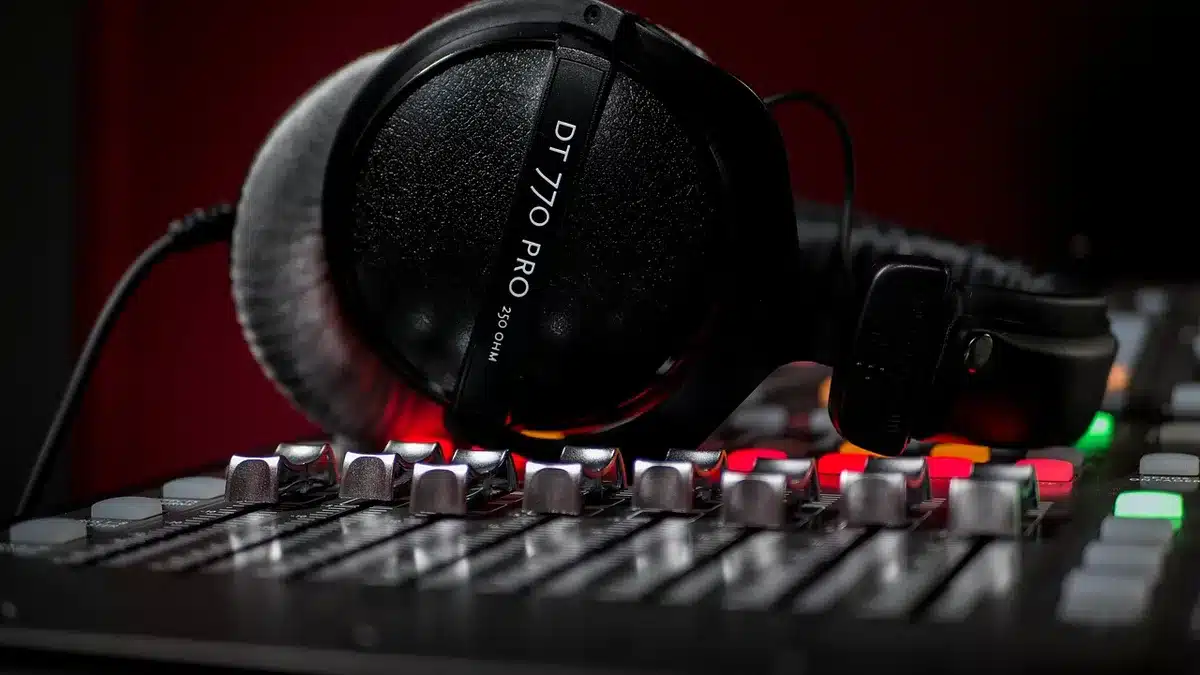
- Iconic tracks feel fuller and more triumphant.
- Ambient sounds and environmental audio support immersion.
- Certain themes, like Gerudo Valley, receive standout arrangements.
Music and sound design amplify the nostalgia while demonstrating the system’s audio fidelity.
Changes that split opinion: voice acting and difficulty shifts
Not every update lands perfectly. Some additions alter tone or pacing in ways that may divide players.
- Full voice acting appears in key cutscenes. Some players may find it cartoony or paced slower than text skipping allows.
- Overall difficulty has been eased in places. Enemies hit softer and a few puzzles are simplified.
- Economic adjustments, like pricier Great Fairy upgrades, add new incentives to explore.
These choices reflect a balancing act between accessibility and preserving the original challenge.
Small surprises and notable remixes
Where Nintendo deviates, it often does so in interesting ways. The visual redesign yields moments of genuine delight and dread.
- Some NPCs and monsters receive more unsettling or expressive redesigns.
- Environmental interactions, such as water and fog, now react dynamically.
- A few dungeons and boss encounters receive fresh puzzle beats or attack patterns.
Who will enjoy this Switch 2 remake?
If you cherish the original but want modern visuals and tighter controls, this remake delivers. Players who prize reimagining over fidelity may feel it plays things safe.
- Longtime fans seeking nostalgia will appreciate the faithful recreation.
- New players can experience a classic with modern conveniences.
- Those wanting radical reinterpretation should temper expectations.
Release date: November 5 on Switch 2.