Show summary Hide summary
- How the claim surfaced and why it matters
- Details Sharon Osbourne reportedly shared
- Who stands to be involved in uncovering the tapes
- Common explanations for “lost” recordings
- How music historians and archive specialists approach searches
- Reactions from fans and the wider music community
- Possible outcomes if the recordings are found
- What to watch for next
Sharon Osbourne has renewed headlines by alleging that a set of Black Sabbath master recordings has vanished. Her comments have ignited curiosity across the music world and reignited questions about archive practices, ownership and what might still be hiding in the vaults of rock history.
How the claim surfaced and why it matters
According to recent public remarks, Sharon Osbourne said that recordings linked to Black Sabbath are “missing” from their expected locations. This statement quickly drew attention because the band shaped heavy metal.
N.W.A. reunion stalled by Dr. Dre: Ice Cube says he’s the only holdout
JK Rowling defiant after threats: calls trans activism elitist
Missing master tapes would matter for fans, historians and the market. Masters are the highest-quality source for reissues. They can also hold alternate takes and unreleased material.
Details Sharon Osbourne reportedly shared
- She indicated the tapes could be unaccounted for during cataloging or transfers.
- She suggested the issue had come up while preparing releases or archival projects.
- She framed the situation as surprising, given the band’s prominence and the usual care for master recordings.
Her remarks did not provide a full inventory or name specific albums. The claim focused on the fact of loss, not on exactly what recordings are affected.

Who stands to be involved in uncovering the tapes
Several parties normally play roles in archival searches. Each brings different incentives and access.
- Record labels that originally released the work.
- Studios that hosted sessions and may hold session reels.
- Band members and estates with legal ownership or personal copies.
- Private collectors and auction houses that sometimes acquire tapes.
Legal rights and chain of custody can complicate any recovery. Clear documentation helps, but paperwork is not always complete for older projects.
Common explanations for “lost” recordings
There are many plausible reasons why masters go missing. Some are mundane. Others are tied to industry upheaval.
- Mislabeling during transfers or storage moves.
- Tapes lent to third parties and not returned.
- Sales and mergers that shift archive custody.
- Degradation or accidental disposal over decades.
Any of these could explain an apparent disappearance without implying wrongdoing.
How music historians and archive specialists approach searches
Archivists follow a methodical process when tapes vanish. Their steps are practical and precise.
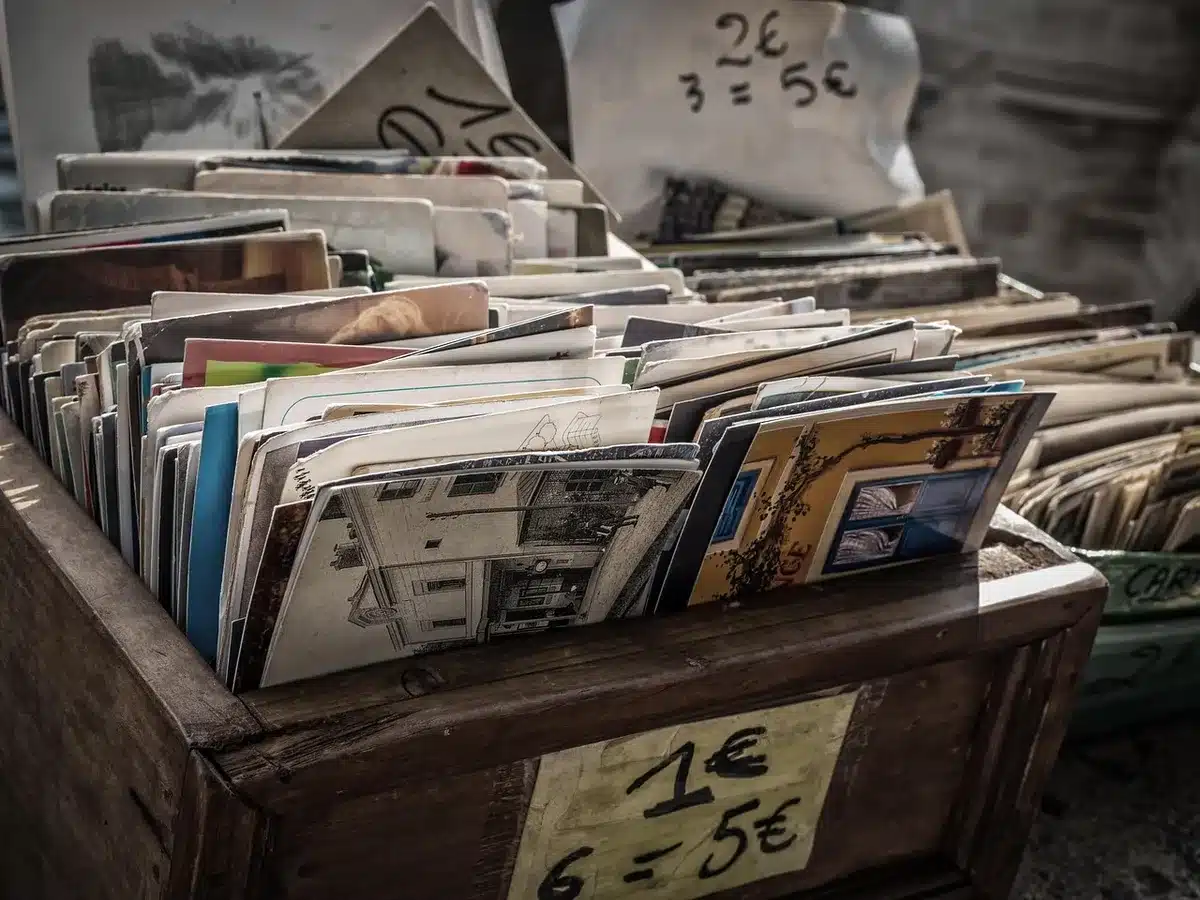
- Gather all ownership documents and session logs.
- Contact studios, engineers and label archives.
- Search private collections and storage facilities.
- Use provenance evidence to track transfers or sales.
- Engage forensic audio labs if only degraded copies exist.
Time and funding often limit how extensive a search can be. High-profile projects may secure resources faster.
Reactions from fans and the wider music community
The claim has prompted intense discussion online. Fans hope the missing material includes alternate takes or unreleased songs. Collectors are watching for auction appearances.
Industry professionals have emphasized caution. They point out that reports of “lost” tapes sometimes resolve with simple administrative finds.
Possible outcomes if the recordings are found
- Official reissues with improved audio quality.
- Expanded box sets featuring alternate takes.
- Legal disputes over ownership, if provenance is unclear.
- Scholarly analysis for music historians.
Recovered masters can also drive new licensing opportunities for film and advertising. That prospect increases commercial interest in locating tapes.
What to watch for next
Key signals will include statements from the band members, the record label and auction houses. Documentary evidence like studio logs would be revealing.
- Official updates from Ozzy Osbourne or other band representatives.
- Press statements from the label that released the original albums.
- News of auctions or private sales of Black Sabbath material.
- Discovery reports from archive teams or museums.
Transparency on provenance is crucial. It helps settle ownership questions and protects cultural heritage.