

Show summary Hide summary
- How the rapper’s post fueled a fresh public debate
- Technical reasons parachutes are not used on airliners
- When parachutes do work: small planes and ballistic systems
- Safety realities and why regulation focuses elsewhere
- Possible innovations and practical safety upgrades
- How the public can respond constructively
- What aviation professionals emphasize in the debate
BlocBoy JB’s social posts after a recent deadly Florida plane crash reignited a public debate about aviation safety and whether passengers should have access to parachutes. His question — simple and emotional — captured the frustration many feel after fatal air accidents and pushed experts to explain the realities behind aircraft design and emergency procedure limits.
How the rapper’s post fueled a fresh public debate
Social platforms lit up after BlocBoy JB questioned why commercial planes lack parachutes. The post drew attention from fans and critics. Many asked the same question. Others urged a look at aviation facts. The conversation mixed grief, anger, and a search for quick fixes.
80s British indie bands that changed American alternative rock forever
Pearl Jam drummer quits after 27 years: band says where things stand

Technical reasons parachutes are not used on airliners
Speed and altitude make parachuting unsafe for passengers
Most commercial flights cruise at altitudes above 30,000 feet and speeds near 500 mph. At those heights, temperature and lack of oxygen pose immediate risks.
Jumping from a fast, high-flying jet is not survivable for untrained occupants. Cabin decompression, extreme cold, and hypoxia are critical obstacles.
Design and structural limits of large aircraft
Airliners are built for aerodynamic efficiency and structural strength. Adding parachutes for every passenger would change weight, balance, and evacuation dynamics.
Installing a whole-airframe parachute for a large jet is not simply a scaling-up problem. The stresses, deployment forces, and attachment points differ vastly from small planes.
Training needs and chaotic evacuations
Parachute use requires instruction, harnesses, and calm. Most passengers have no training. In an emergency, chaos and smoke make organized jumps unlikely.
Emergency slides and crew-managed evacuations remain the practical options.
When parachutes do work: small planes and ballistic systems
Not all aircraft lack parachute systems. Some light planes use ballistic recovery systems.
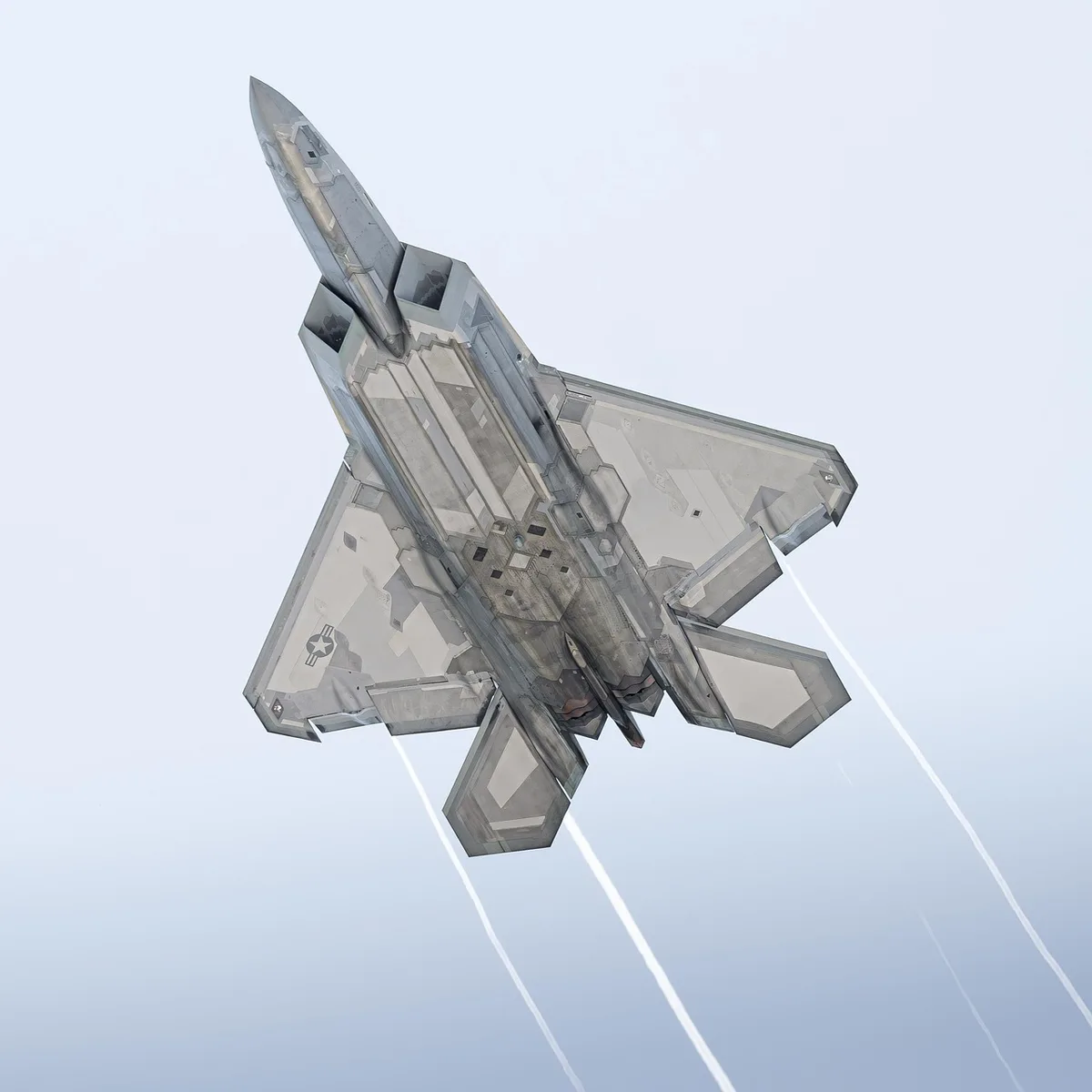
- Cirrus and similar models use a whole-aircraft parachute for rare, life-threatening events.
- These systems are designed for lower speeds and altitudes typical of general aviation.
- They buy time and reduce impact forces, but they are not a universal solution.
Ballistic parachutes work in narrow conditions and cannot be retrofitted to large jets.
Safety realities and why regulation focuses elsewhere
Regulators invest in redundancy, maintenance, and pilot training. Modern airliners have multiple backup systems for engines, electronics, and controls.
Investigations after crashes often lead to rules on inspection, crew protocols, and manufacturing standards.
Possible innovations and practical safety upgrades
Experts point to several improvements that are realistic and effective.
- Better early-detection systems for mechanical issues.
- Enhanced pilot training for rare emergencies.
- Improved seat design and fire-resistant materials.
- More rigorous maintenance tracking and transparency.
These changes reduce risk and are more scalable than equipping commercial cabins with parachutes.
How the public can respond constructively
Public outrage after tragedies is natural. Channeling that energy into policy advocacy helps.
- Support transparent investigations after accidents.
- Ask lawmakers to fund aviation safety research.
- Encourage airlines to adopt proven safety tech.
Understanding technical constraints helps frame realistic demands.
What aviation professionals emphasize in the debate
Pilots, engineers, and regulators stress context. They call for careful study before proposing sweeping fixes.
Emotion can drive attention to safety gaps, but engineering limits must guide solutions.










