

Show summary Hide summary
- Where the remark appeared and why it mattered
- What the album reveals about survival and trauma
- Why some people pushed back on Smith’s wording
- How supporters defended the idea
- Examples of tracks useful for study
- Music as a tool in classrooms: practical paths
- Social media and public reaction
- Biggie’s legacy and why the debate persists
- Voices from educators and musicians
- Questions this moment raises about culture and teaching
- Where the conversation could go next
When Will Smith suggested that The Notorious B.I.G.’s debut album should be studied in psychology classes, listeners paused. The remark landed like a provocation and sparked debate. Fans praised the insight. Critics questioned his phrasing. The exchange reopened conversations about art, trauma, and how hip-hop can illuminate the mind.
Where the remark appeared and why it mattered
The comment came during a public appearance where Smith discussed culture and influence. He pointed to Biggie’s 1994 record, Ready to Die, as more than music. To him, the album maps a mind under pressure. That idea resonated with many.
80s British indie bands that changed American alternative rock forever
Pearl Jam drummer quits after 27 years: band says where things stand

Ready to Die is widely regarded as a landmark hip-hop album. It blends storytelling, grit, and vulnerability. Those elements make it a tempting candidate for academic study.
What the album reveals about survival and trauma
Ready to Die follows a narrator wrestling with poverty, violence, and loss. The lyrics are raw. The tone alternates between bravado and confession. For listeners, this creates a complex portrait of coping.
- Recurring themes: street violence, identity, mortality.
- Emotional arc: anger, despair, reflection.
- Narrative techniques: first-person storytelling and vivid scene-setting.
These features give the record psychological depth. It exposes how external forces shape behavior. It also invites study of trauma, resilience, and moral conflict.
Why some people pushed back on Smith’s wording
Not everyone agreed with how Smith phrased his point. Critics argued the comment sounded casual about serious issues. Some said a celebrity’s offhand remark can oversimplify complex topics.
Language matters, especially when discussing mental health and marginalized communities. Detractors felt Smith’s line risked turning a painful lived experience into a neat classroom example.
How supporters defended the idea
Supporters stressed intent over diction. They argued Smith wanted to highlight the album’s psychological insight. They pointed to how art can teach empathy.
- Fans noted the album’s candid look at fear and survival.
- Academics pointed to precedent: literature and film are common teaching tools.
- Musicians affirmed that rap often documents social conditions and inner life.
Examples of tracks useful for study
Certain songs on Ready to Die stand out for analysis. They can anchor lessons on identity, trauma, and cultural context.
- “Suicidal Thoughts” — an unflinching portrayal of despair.
- “Everyday Struggle” — depicts economic pressure and moral compromise.
- “Gimme the Loot” — shows the performative risk of violence and bravado.
Each track offers material for discussions about decision-making and emotional states.
Music as a tool in classrooms: practical paths
Teachers already use popular music to explore psychology. Songs can illustrate coping mechanisms and cognitive biases. They can also launch conversations about stigma and social determinants of health.
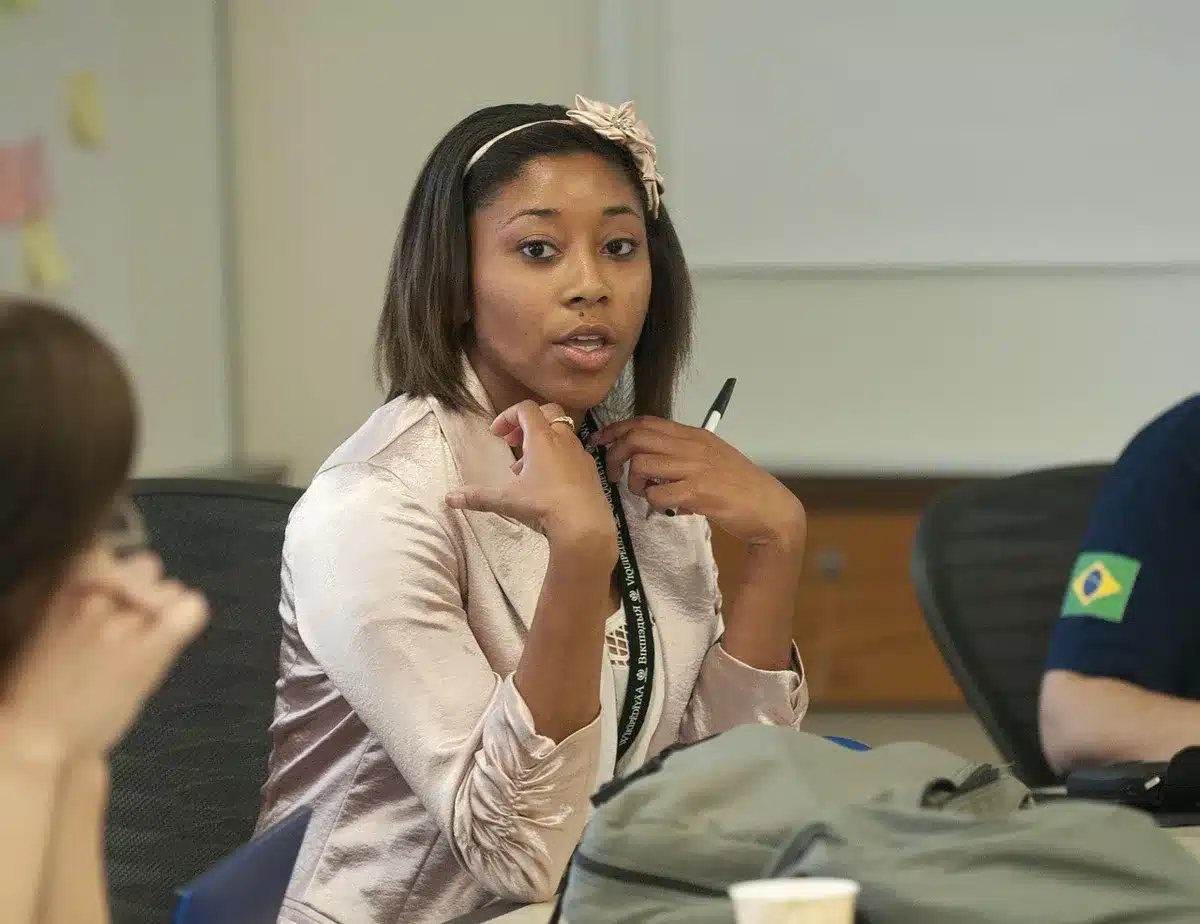
- Contextualize lyrics with historical background.
- Pair songs with scholarly articles on trauma.
- Encourage students to analyze narrative voice and motive.
Social media and public reaction
Online responses mixed praise with skepticism. Hashtags and threads debated whether a pop culture remark deserved scrutiny. Some voices called Smith’s comment insightful. Others saw it as tone-deaf.
That split reflects broader tensions. People differ on who gets to translate street narratives into academic lessons. The conversation also shows how a single line can spark cultural reflection.
Biggie’s legacy and why the debate persists
The Notorious B.I.G. remains central to hip-hop history. Ready to Die is studied for its artistry and honesty. Debates like this highlight how art stays politically charged.
The key issue is not whether music can teach psychology. It is how we frame such lessons. Respect for lived experience and clear language matter when moving between cultural praise and academic prescription.
Voices from educators and musicians
Some educators welcomed the idea of using hip-hop to engage students. They argued that music can bridge theory and real life. Musicians, meanwhile, emphasized authenticity.
- Educators: music makes abstract concepts concrete.
- Musicians: context must protect artists’ narratives.
- Community leaders: discussions should include those depicted in the songs.
Questions this moment raises about culture and teaching
The exchange prompts several broader questions. Who decides what counts as curriculum material? How should instructors handle painful subject matter?
- Can popular culture foster empathy in students?
- How do we avoid reducing trauma to case studies?
- What role do artists’ communities play in shaping classroom use?
Where the conversation could go next
Expect continued debate. Some institutions may pilot music-based modules. Others will call for clearer standards. The moment serves as a reminder of the power of words.
Public figures who champion deeper engagement with art will likely refine their language. That could help bridge popular insight and respectful pedagogy.










