
Show summary Hide summary
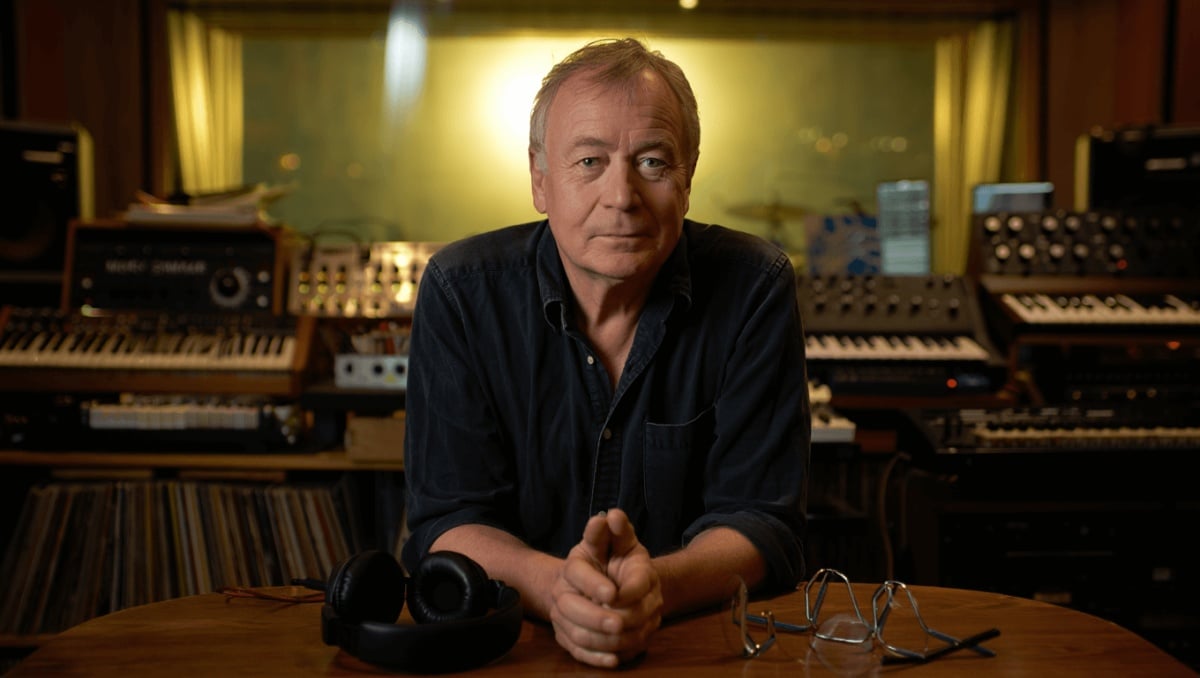
Portishead’s name still rings loud two decades after their debut shook the Bristol scene. Recent comments from Geoff Barrow have reignited conversation about the band’s future and his personal creative path. The producer’s update blends clarity about Portishead’s status with a clear shift toward film composition.
Where Portishead stands today: intermittent reunions, not a breakup
Barrow told readers in a recent Q&A for The Guardian that Portishead has never formally split. Instead, the trio — Beth Gibbons, Geoff Barrow, and Adrian Utley — pursue separate projects.
Nas slams music industry over disrespect: teases new music, vows to address it
1992 vocal performances: 3 jaw-dropping moments that still amaze
- Occasional collaborations bring them together for special causes and one-off performances.
- Recent examples include a benefit show for Ukraine and a recorded contribution to a Brian Eno–organized concert for Palestine.
- Barrow frames the band as a flexible unit that reunites when the moment is right.
Geoff Barrow’s new focus: film scores and the movie Game
Rather than prioritizing fresh Portishead songs, Barrow is diving into cinematic work. He described film music as a deep learning curve that has captured his attention.
His latest efforts include composing and producing music tied to the new film Game. The move reflects a broader curiosity about storytelling through sound.
- Barrow says soundtracks demand different techniques than album production.
- He’s testing orchestration, timing for picture, and subtle ways to influence mood.
- The shift shows his interest in applying electronic and analog instincts to film scoring.
How Dummy was made: analog choices and sonic experiments
Portishead’s debut, Dummy, became a touchstone of 1990s British electronic music.
Studio approaches that shaped the album
- Heavy use of analog recording methods to create warmth and texture.
- Deliberate degradation techniques, such as distressed vinyl and damaged amplifiers.
- Sampling and hip-hop–inspired production fused with cinematic moods.
Those technical choices gave the record a distinct feel that still resonates. The combination of Gibbons’s voice, moody arrangements, and vintage textures set Dummy apart.
Mislabeling the mood: why Barrow rejects “chill” as a description
Barrow bristled when readers suggested Dummy belongs on relaxed or sexualized playlists. He takes issue with the casual tag of “chilled” for his work.
- He argues the music is often misunderstood when listeners fixate only on the surface mood.
- Barrow stresses the importance of lyrics and context, not just ambiance.
- He finds the idea of the album as background music for intimacy irritating.
According to Barrow, listeners who reduce Portishead to a playlist feeling miss the darker and more complex themes in the songs.
Legacy, perception, and future possibilities
Portishead’s three official studio albums — Dummy, Portishead (1997), and Third (2008) — remain milestones.
- The band’s influence extends across electronic, trip-hop, and cinematic music.
- Barrow’s move toward film work may inform future Portishead collaborations.
- For now, expect occasional reunions and contributions rather than a steady release schedule.










