
Show summary Hide summary
- Who shared the stage at the Rock and Roll Hall of Fame induction
- Podcast critique that ignited the debate
- How the live moments unfolded
- Why tribute medleys go awry — hosts break it down
- Surprising defense and shared admission
- Reactions from fans and music insiders
- What this means for live tribute performances and legacy acts
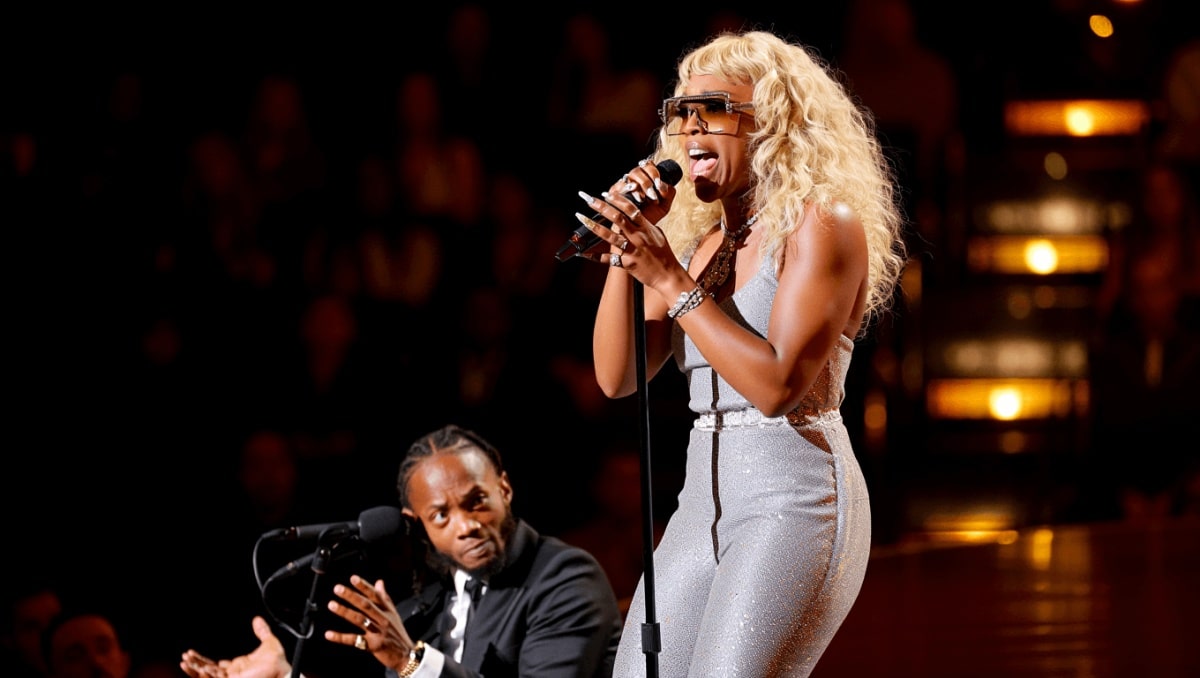
Doja Cat’s turn during Outkast’s Rock and Roll Hall of Fame medley sparked a heated reaction this week. Clips from the stage appearance circulated online, and a recent podcast breakdown pushed the conversation into full public view.
Who shared the stage at the Rock and Roll Hall of Fame induction
The tribute assembled a wide range of artists to honor Outkast. Big Boi led the medley with help from several guests. The set mixed hip-hop legends and contemporary stars.
Nas slams music industry over disrespect: teases new music, vows to address it
1992 vocal performances: 3 jaw-dropping moments that still amaze
- JID opened with the Andre 3000 verses on “ATLiens.”
- Doja Cat performed the section of “Ms. Jackson.”
- Tyler, the Creator tackled “B.O.B. (Bombs Over Baghdad).”
- Janelle Monáe delivered an acoustic take on “Hey Ya!” and moved through the crowd.
- Killer Mike and Sleepy Brown joined later for collaborative moments.
The medley closed with a group performance of “The Whole World,” bringing everyone back onstage.
Podcast critique that ignited the debate
On a recent episode of the Joe Budden podcast, co-host Parks Vallely did not hold back. He described Doja Cat’s part as a major stumble on a landmark stage.
Vallely said he was taken aback and felt the performance lacked preparation. He singled out the bridge of “Ms. Jackson” and noted the artist appeared unsure of the lyrics.
How the live moments unfolded
Video of the performance shows a fast-paced medley where each guest had limited time. That format can put pressure on artists to hit every line perfectly.
Observers pointed to several factors that made the segment feel fragile:
- Short rehearsal windows for guest performers.
- Fragments of songs rather than full arrangements.
- High expectations for a televised, historic ceremony.
Why tribute medleys go awry — hosts break it down
During the podcast, the hosts explored common pitfalls in tribute sets. They argued that familiarity does not replace rehearsal.
The discussion highlighted a pattern: artists sometimes assume they know a classic well enough and then underprepare.
- Confidence can replace preparation.
- Stage nerves amplify small mistakes.
- Complex arrangements suffer when condensed into medleys.
Surprising defense and shared admission
Not all commentary was harsh. One host admitted he, too, blanked on parts of the song. He joked that he was glad Doja hit the same snag.
That moment shifted the tone briefly from critique to camaraderie. It underscored how easy it is to falter under pressure, even for experienced performers.
Reactions from fans and music insiders
Responses on social platforms varied widely. Some listeners criticized the vocal slip-ups. Others defended Doja Cat, citing the challenge of live medleys.
Music professionals weighed in about the realities of live tribute performances. Many noted that rehearsals are often limited for guest spots at major ceremonies.
What this means for live tribute performances and legacy acts
The episode revived a larger conversation about honoring classic albums and songs in short-format tributes. When multiple artists rotate through a medley, the risk of uneven execution grows.
Industry voices emphasized two takeaways: give guest performers adequate rehearsal time, and design medleys that match each artist’s strengths.











