Show summary Hide summary
- How the presale unraveled in real time
- What experts say about the bot tactics used
- Why ticket platforms struggle to stop automated scalping
- Fans caught in the scramble
- Statements from the artist and the ticketing company
- Legal and regulatory angles gaining traction
- What fans can do now to protect themselves
- Broader impacts on the live music ecosystem
- Ongoing investigations and next steps
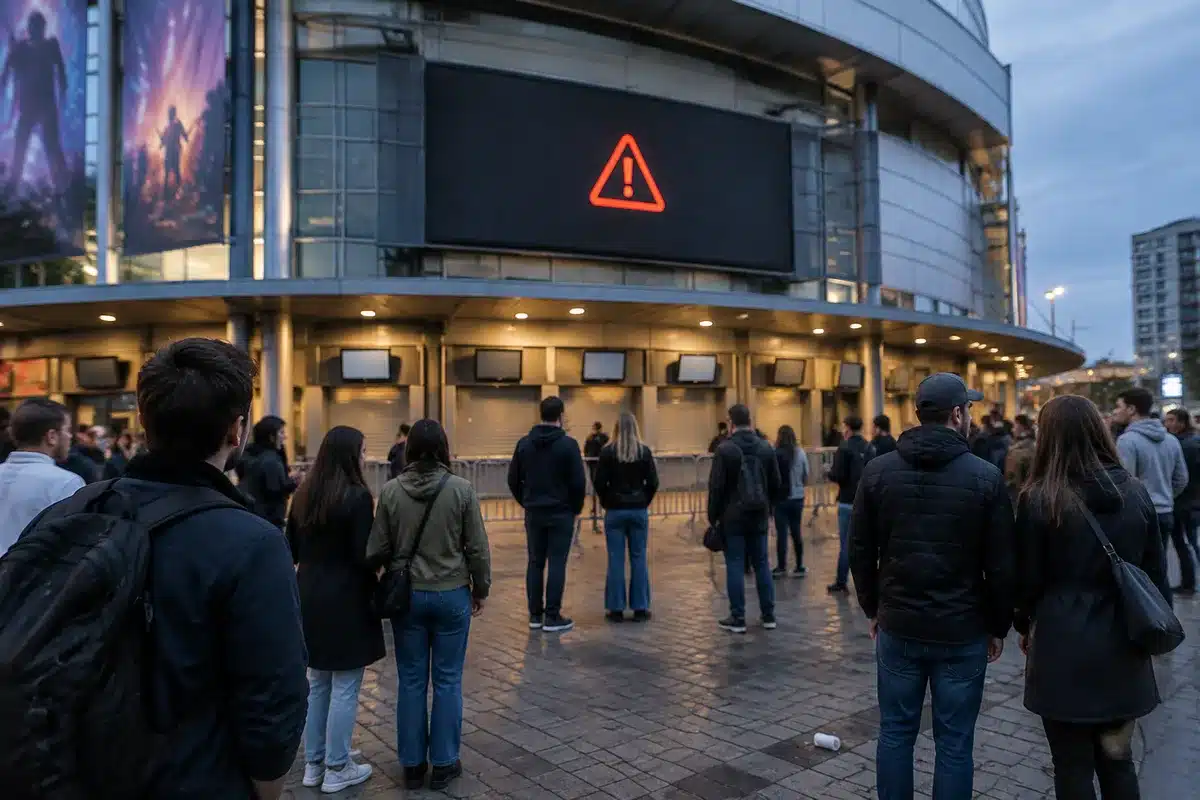
The much-anticipated presale for a hometown concert by a major British rock star collapsed within minutes after a wave of automated traffic overwhelmed the ticketing system. Fans on social media reported error pages, cart timeouts, and disappearing seat maps as the sale began. Event organizers and the ticket platform now say the disruption was a sophisticated bot attack aimed at snapping up inventory for resale.
How the presale unraveled in real time
Buyers logged on at the announced time and encountered a mix of glitches.
80s British indie bands that changed American alternative rock forever
Pearl Jam drummer quits after 27 years: band says where things stand

- Error messages replaced the purchase flow for many.
- Some users were stuck in virtual queues that never moved.
- Others saw tickets listed as sold within seconds despite no purchase.
Within half an hour, the ticketing company paused the sale to investigate. The delay left loyal fans frustrated and pushed the story into trending news feeds.
What experts say about the bot tactics used
Cybersecurity analysts describe the incident as part of a growing trend.
- Attackers use networks of compromised machines to mimic genuine traffic.
- They often employ credential stuffing and session hijacking.
- Advanced bots can bypass CAPTCHAs and rate limits.
These methods let scalpers scoop up the best seats in seconds, then relist them at higher prices on secondary platforms.
Why ticket platforms struggle to stop automated scalping
Ticketing firms face a constant cat-and-mouse game with bot developers.
- Adding friction can block bots but also annoy real buyers.
- Machine-learning defenses must adapt to evolving attack patterns.
- Third-party resellers exploit loopholes in venue allocations.
Smaller presales and fan-club allocations are especially vulnerable. They often lack the budget for enterprise-grade anti-bot protections.
Technical defenses and their limits
Common protections include behavioral analysis, device fingerprinting, and multi-factor checks.

But attackers respond quickly. They rent botnets and design their tools to mimic human timing and mouse movements.
Fans caught in the scramble
Across forums, the same complaints appear.
- Die-hard fans missed out despite logging in on time.
- Others accused scalpers of buying blocks of tickets.
- Some reported seeing the same seats relisted minutes later.
Fan groups are calling for refunds, more secure presales, and official fan-only allocations. A petition demanding tougher controls has already gathered thousands of signatures.
Statements from the artist and the ticketing company
The artist released a short note expressing disappointment and promising to work with promoters.
The ticketing firm acknowledged the attack. It said engineers implemented emergency blocks and removed suspicious transactions.
- The platform vowed to refund affected buyers where purchases were invalidated.
- They also pledged a review of presale security for future events.
Both sides say they are engaging law enforcement and cyber specialists to trace the source of the attack.
Legal and regulatory angles gaining traction
Lawmakers and consumer groups are watching closely.
- Some jurisdictions are considering bans on automated purchasing tools.
- Others propose stricter rules for resale marketplaces.
- Enforcement, however, is complex and cross-border in many cases.
Industry critics argue current laws lag behind the speed of online abuse. Regulators may push for clearer seller obligations and transparency from ticket platforms.
What fans can do now to protect themselves
Security experts offer practical tips for future sales.
- Create and verify your ticketing account well before presales.
- Use official fan clubs or verified presale codes when available.
- Avoid rushing to third-party resellers; check seller ratings first.
- Consider browser privacy extensions and up-to-date devices to reduce fraud risk.
Patience and preparation can improve chances, but they cannot eliminate the advantage held by well-resourced scalpers.
Broader impacts on the live music ecosystem
When presales fail, the ripple effects are wide.
- Fans lose trust in artists and promoters.
- Venues and promoters face public backlash and lost goodwill.
- Secondary markets profit while primary sellers record reputational damage.
For the live sector, repeated incidents threaten attendance and future sales models. Promoters must balance accessibility with technical safeguards to keep fans at the center.
Ongoing investigations and next steps
Authorities, ticketing engineers, and venue staff are coordinating next steps.
- Digital forensic teams are tracing botnet activity.
- Ticket platforms are reviewing allocation rules and anti-bot tools.
- Promoters plan additional verification for remaining ticket batches.
Fans await updates on refunds and new sale dates as the probe continues.