Show summary Hide summary
- Timeline of events: what sources are saying
- Why sushi or passionfruit are being mentioned
- Medical context: what doctors look for after a suspected allergy
- Official statements and public updates
- How this event affects public perception and safety
- What to watch next: expected updates and reliable sources
Reports emerged today that singer Demi Lovato was taken to a hospital after experiencing a sudden illness. Initial accounts point to a suspected allergic reaction linked to food consumed earlier, with sushi or passionfruit named as possible triggers. Fans and observers are awaiting clearer details as updates arrive slowly.
Timeline of events: what sources are saying
According to multiple accounts, the incident unfolded within hours of a meal. The sequence described by witnesses is not uniform.
80s British indie bands that changed American alternative rock forever
Pearl Jam drummer quits after 27 years: band says where things stand
- Someone close to the situation reported that symptoms began shortly after eating.
- Emergency medical personnel were contacted and transported the singer to a local hospital.
- Public updates have been limited, and no single official timeline has been confirmed.
Why sushi or passionfruit are being mentioned
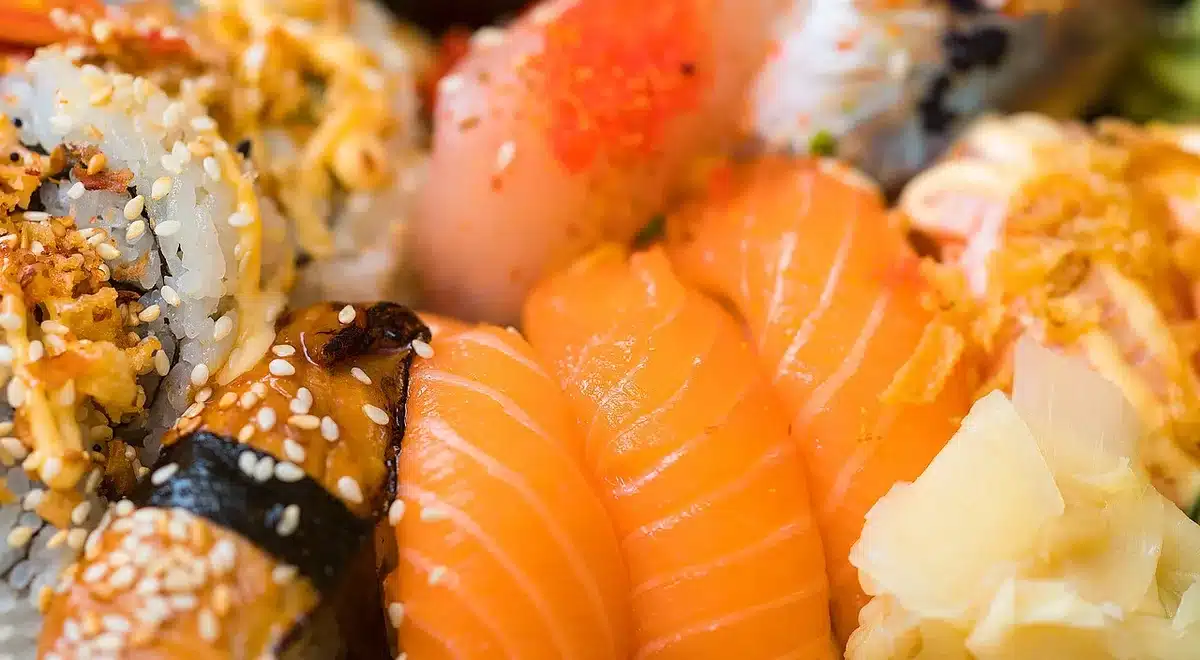
Early coverage points to two potential causes: shellfish or fish in sushi, and passionfruit, a tropical fruit sometimes used in drinks and desserts. Both can prompt severe immune responses in susceptible individuals.

- Sushi-related risks: Raw fish, shellfish, and cross-contamination can provoke allergic reactions in people with seafood allergies.
- Passionfruit risks: Though less common, passionfruit can cause allergic symptoms for some, especially when paired with other allergenic foods.
How a food reaction can escalate
Food-triggered reactions range from mild to life-threatening. Immediate symptoms may include skin changes, swelling, breathing problems, or dizziness. When swelling affects the throat and airways, the condition can become anaphylaxis and requires urgent treatment.

Medical context: what doctors look for after a suspected allergy
When a patient arrives at an emergency department with a suspected food reaction, clinicians follow established steps.
- Assess airway, breathing, and circulation immediately.
- Provide oxygen or epinephrine if signs point to severe allergic reaction.
- Gather a recent food history to identify possible triggers.
- Monitor vital signs and observe for delayed symptoms.
Testing for specific allergies — such as skin tests or blood tests — typically happens after the acute phase. These tests help identify antibodies linked to certain foods.
Official statements and public updates
As of now, there is limited official confirmation. Publicists or representatives have not provided a full medical update. Social media posts from fans and bystanders filled the immediate gap, but details remain unverified.
- Fans have shared images and messages of concern across platforms.
- Media outlets are seeking comment from medical teams and representatives.
- Health privacy rules often limit how much information hospitals release.
How this event affects public perception and safety
High-profile medical incidents tend to drive public attention toward prevention and awareness. This case highlights two important points.
- Food allergies can affect anyone, including public figures.
- Understanding early symptoms and having a plan can save lives.
What to watch next: expected updates and reliable sources
Interested readers should look for information from credible channels. Verified statements from the singer’s official accounts or accredited news organizations will be the most reliable.
- Official social media accounts operated by the artist or management.
- Statements from health care providers, when authorized.
- Reports from established news agencies that verify details.