
Show summary Hide summary
- Why people search for subtle progressive signals
- Visual cues: what to look for in clothing and accessories
- Language and conversational markers: words that hint at politics
- Online behavior and social media hints you can spot quickly
- Behavior in public spaces: small acts that reveal values
- How progressives show solidarity without saying it outright
- Signals to avoid reading too deeply
- Practical tips for approaching someone who seems like-minded
- How to share your own signals responsibly
I’m asking directly to anyone who leans left: what low-key signals do you use to find each other in public life? This isn’t about loud slogans or badges. It’s about the tiny codes, the words, the mannerisms, the accessories that quietly say, “I get you.” If you’ve ever wished for a cheat sheet to spot fellow progressives at a coffee shop, a protest, or an office holiday party, tell us how you do it.
Why people search for subtle progressive signals
When politics shape daily interactions, people develop soft signs to feel understood. These cues limit awkward conversations. They help form quick, low-risk trust. They also make it easier to find allies for civic action.
80s British indie bands that changed American alternative rock forever
Pearl Jam drummer quits after 27 years: band says where things stand
Visual cues: what to look for in clothing and accessories
Some signals are visual and easy to notice. They are not full-throttle political statements. Instead, they are small choices that suggest certain values.
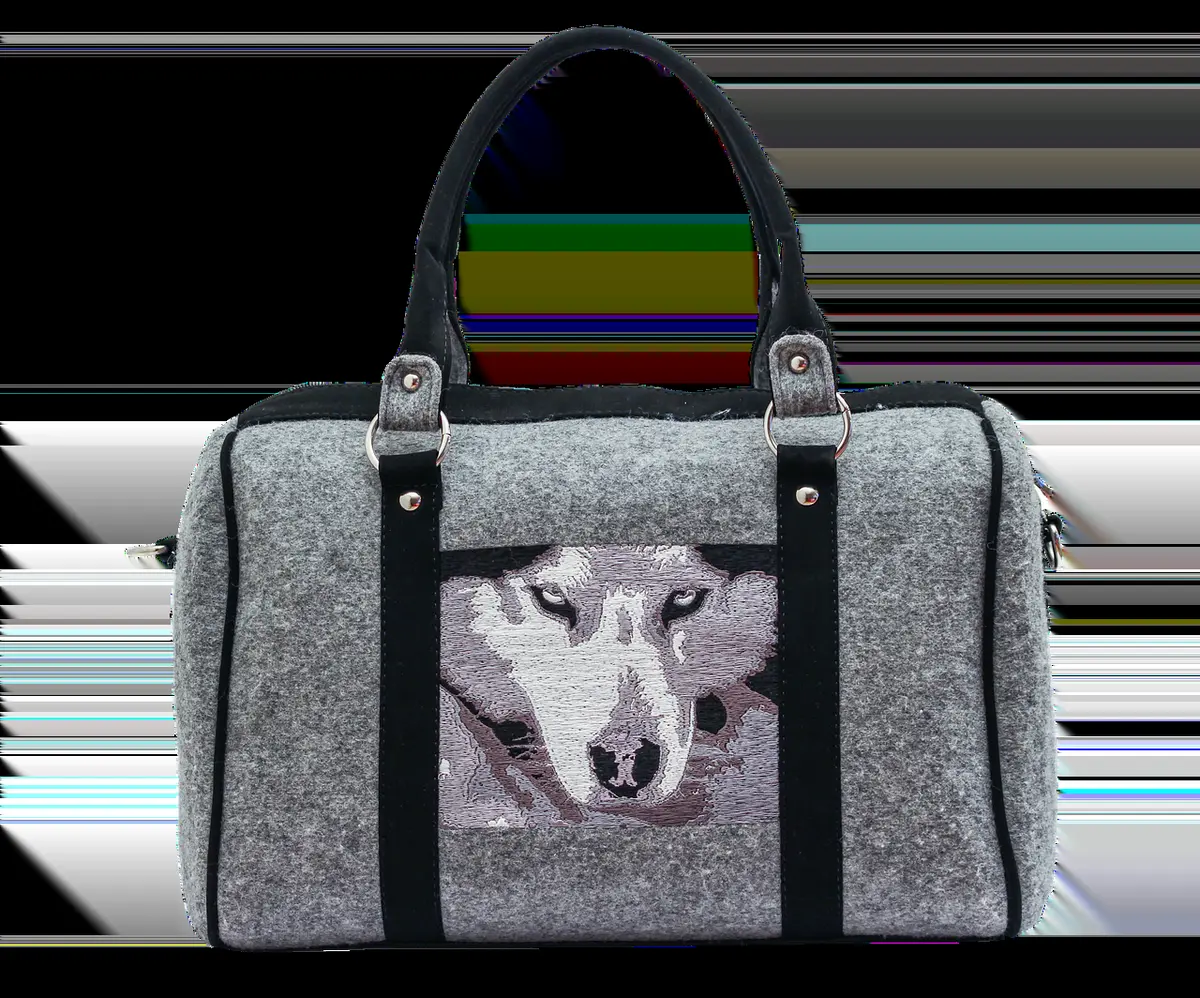
- Eco-friendly fabrics or thrifted outfits. Many progressives prefer secondhand or sustainable brands.
- Simple pins or enamel badges with subtle slogans or symbols.
- Locally made tote bags with understated designs.
- Reusable water bottles and metal coffee mugs carried like a statement.
- Patches or stickers about community causes rather than partisan teams.
Language and conversational markers: words that hint at politics
Speech often reveals more than clothing. Listen for a pattern of phrases, not single words. These markers are useful in short encounters.
- References to community organizing or mutual aid.
- Using inclusive pronouns and asking about pronouns early in conversation.
- Talking about local politics as if participation is expected.
- Framing issues in terms of systemic causes rather than individual blame.
- Casual mentions of policy areas: climate, healthcare, housing.
Online behavior and social media hints you can spot quickly
Digital presence is a major signal in modern life. Profiles, follows, and interactions reveal affinities.

- Bio lines that mention community work, nonprofits, or caregiving.
- Shared articles from progressive outlets or organizers.
- Comments that emphasize collective solutions.
- Pinned posts about volunteering, voter registration, or local mutual aid.
- Mutual follows of local politicians, activist accounts, or advocacy groups.
Behavior in public spaces: small acts that reveal values
Actions often speak louder than badges. Watch how people act in ordinary settings for honest clues.
- Engaging with strangers respectfully, especially service workers.
- Making space in conversation for marginalized voices.
- Using accessible language and avoiding ableist terms.
- Prioritizing consent in social situations or taking a friend’s lead in sensitive moments.
- Helping organize or showing up consistently to community events.
How progressives show solidarity without saying it outright
There are methods of signaling allegiance that avoid explicit political labels. These subtle acts build connection.
- Inviting others to community dinners or mutual aid efforts.
- Offering resources like child care or rides at events.
- Sharing information quietly: event flyers, donation links, or resource lists.
- Using humor that references shared movements or histories.
- Noticing and correcting microaggressions in gentle, educational ways.
Signals to avoid reading too deeply
Not every item or phrase equals a political stance. Some cues are fashion or convenience. Avoid assuming.
- Branded clothing does not always reflect values.
- Using certain pronouns or words might be performative.
- One-time attendance at a march isn’t proof of steady engagement.
- Social media likes can be accidental or ironic.
Practical tips for approaching someone who seems like-minded
Once you think you’ve spotted a fellow progressive, the next step matters. Start small. Keep interactions low pressure.
- Open with a neutral, friendly comment about something in the environment.
- Ask a question rather than make an assumption.
- Offer information or help before asking for it.
- Listen first; share later.
- Follow up with contact details if the conversation warrants it.
How to share your own signals responsibly
If you want to be recognized, consider visible, non-confrontational cues. Make them authentic and repeatable.
- Choose small, durable signals—tote bags, pins, or consistent language.
- Post reliable resource links on your profile.
- Show up regularly for local causes.
- Be mindful that visibility can carry risk in some contexts.
- Prioritize safety and consent when signaling in unfamiliar spaces.