Show summary Hide summary
- What the resurfaced posts showed and why they spread
- How Tyler reacted publicly
- Selena Gomez and the immediate public reaction
- Industry voices and the media response
- Why this episode matters in the cancel culture debate
- Steps public figures take after old posts resurface
- How audiences parse tone, context, and intent
- Timeline of the controversy as it unfolded
- What to watch next in this story
When a string of blunt, years-old posts about Selena Gomez surfaced online, Tyler, the Creator stepped into the spotlight again — not with an apology, but with a pointed jab at the idea of social punishment. The exchange reignited conversations about accountability, context, and how quickly past words can shape a public figure’s present.
What the resurfaced posts showed and why they spread
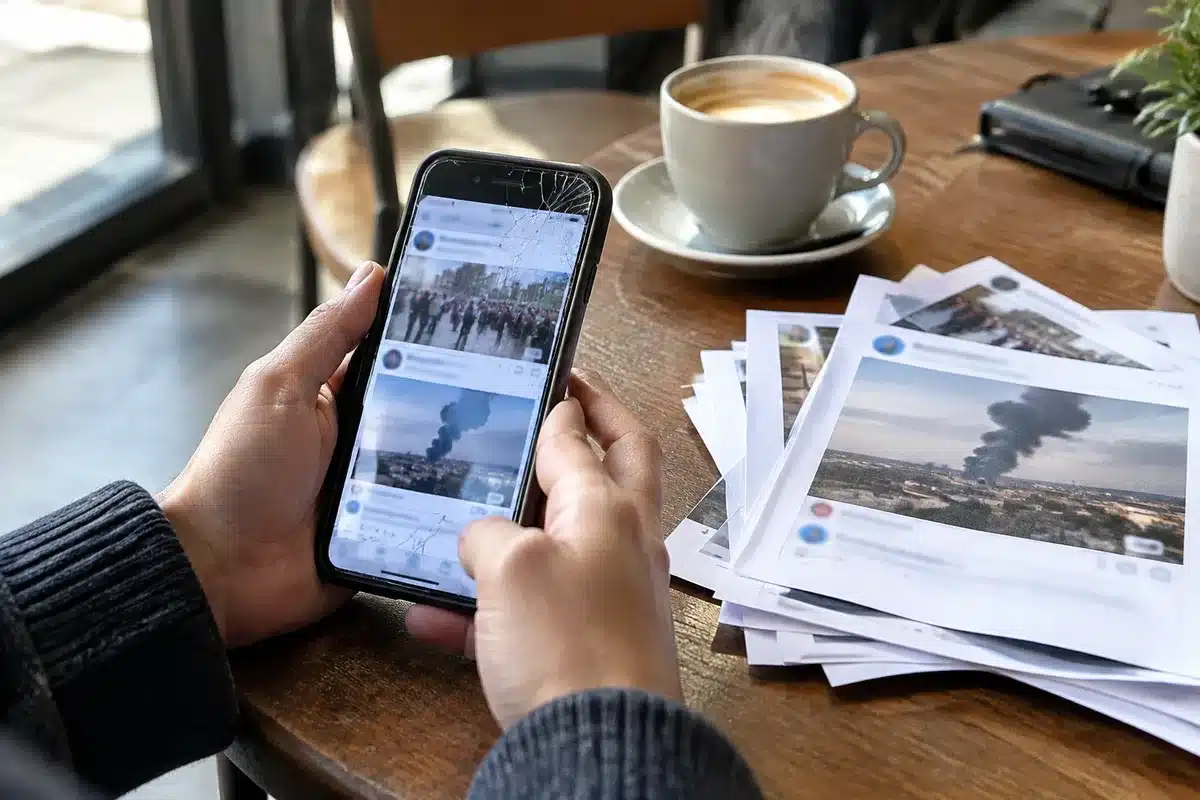
Archived tweets with crude references to Selena Gomez began circulating on social platforms. Users highlighted the posts as offensive and outdated.
80s British indie bands that changed American alternative rock forever
Pearl Jam drummer quits after 27 years: band says where things stand
- Some posts were explicit in tone and language.
- Content dates back several years, from a period when many artists posted more provocatively online.
- Screenshots and reposts amplified the reach within hours.
The speed of circulation turned a private social media footprint into a trending news topic. Platforms tend to surface archived material once groups focus on it.
How Tyler reacted publicly
Instead of expressing regret, Tyler used his platform to criticize the wave calling for consequences. His tone mixed irony and defiance. He framed the moment as part of a broader cultural pattern.
- He dismissed the uproar as performative outrage.
- He argued that past posts reflected a different creative era for many artists.
- He suggested selective memory plays a role when controversies emerge.
His response sparked as much debate as the original posts did, with fans and critics parsing whether he was defending free expression or evading responsibility.
Selena Gomez and the immediate public reaction
Selena Gomez has not publicly engaged in a direct back-and-forth about the tweets. Her circle and fans reacted in varied ways.
- Some supporters voiced solidarity with Gomez.
- Others said the matter was old and not worth reigniting.
- Cultural commentators used the episode to debate standards for public apologies.
Social media responses ranged from calls for accountability to arguments that people mature and change over time.
Industry voices and the media response
Journalists and entertainment insiders weighed in, examining the balance between past behavior and current consequences.
- Public relations experts noted how handling such exposures can affect careers.
- Music industry figures debated whether controversy helps or hurts streaming and ticket sales.
- Cultural columnists discussed the role of context in judging historical posts.
Coverage emphasized that fallout often depends on an artist’s follow-up actions and media strategy.
Why this episode matters in the cancel culture debate
The incident feeds into an ongoing national conversation about accountability and forgiveness. It raised questions about who decides when someone is “canceled.”

- Context: Are comments judged by past cultural norms or today’s standards?
- Consistency: Do reactions differ between artists and private individuals?
- Proportionality: What consequences are fair, and who enforces them?
Experts note that social media amplifies outrage and shortens public memory, complicating efforts to assess harm and growth.
Steps public figures take after old posts resurface
When historical content resurfaces, celebrities commonly choose from several paths. Each route carries risks and possible rewards.
- Immediate apology and acknowledgement.
- Contextualization, explaining past mindset or intent.
- Defiance or critique of the reaction, as Tyler did.
- Silence, letting the story fade without comment.
How an artist navigates the response often determines whether the story escalates or dissipates.
How audiences parse tone, context, and intent
Fans and critics apply different standards when deciding what matters. Emotional responses can overshadow nuance.
- Long-term fans may defend an artist’s evolution.
- Casual listeners might react strongly to explicit language.
- Neutral observers often seek further context before forming opinions.
Digital forensics such as timestamps and archived threads sometimes help clarify when and why certain posts were made.
Timeline of the controversy as it unfolded
- Archived tweets circulates on social platforms.
- Public attention grows through reposts and commentary.
- Tyler responds, criticizing the culture of online punishment.
- Media outlets and industry voices analyze the implications.
The flow from discovery to widespread debate often happens within hours in today’s media ecosystem.
What to watch next in this story
Future developments may include statements from representatives, follow-up interviews, or broader industry reactions.
- Whether Tyler issues a clarification or apology.
- If Selena Gomez or her team responds publicly.
- How platforms and media outlets shape the narrative.
The next moves by both artists will likely determine whether this episode becomes a long-term controversy.