
Show summary Hide summary
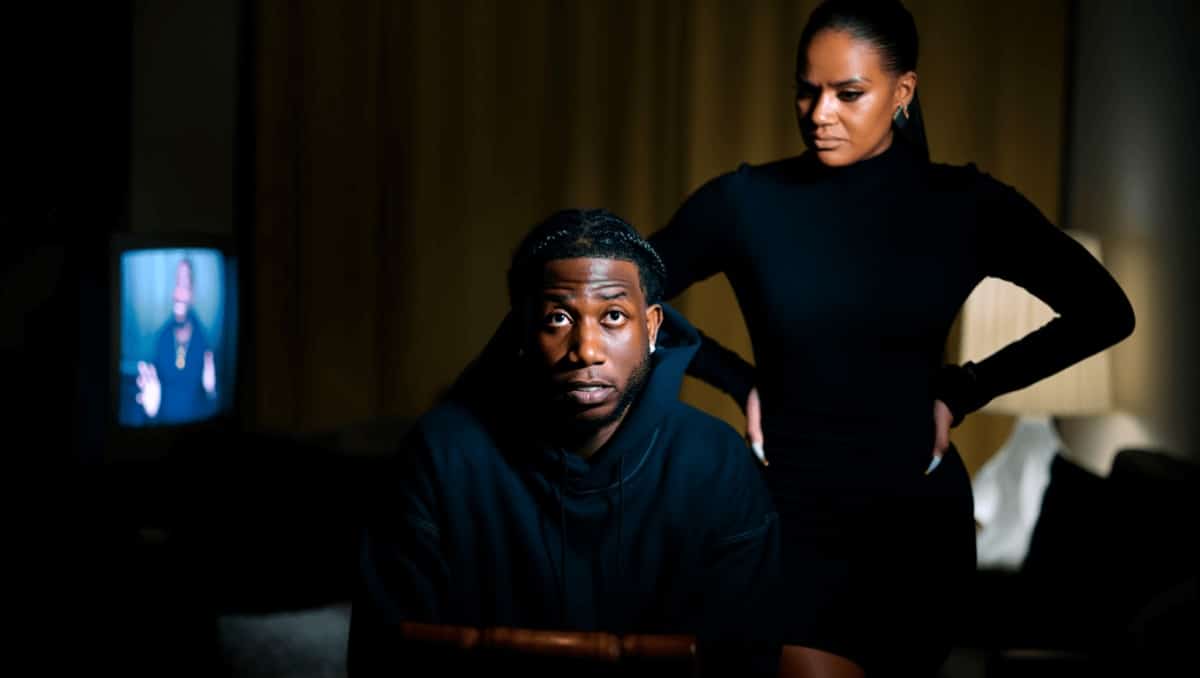
The fallout from Gucci Mane’s recent Breakfast Club appearance has turned into a heated public argument about mental illness, control and privacy. What began as a candid conversation about his schizophrenia has since sparked accusations that his wife, Keyshia Ka’Oir, exerts undue influence. Now former manager Debra Antney and rapper Nicki Minaj have amplified the debate, questioning whether the footage showed the real Gucci Mane.
Debra Antney says the rapper looked unlike himself
Debra Antney, who once managed Gucci Mane and is the mother of Waka Flocka Flame, told V. Lenore she was troubled by the interview footage. She suggested the man on camera didn’t match the artist she knew.
Nas slams music industry over disrespect: teases new music, vows to address it
1992 vocal performances: 3 jaw-dropping moments that still amaze
Antney implied something was off — she floated the idea that substance influence or manipulation could explain Gucci’s demeanor. She also criticized Keyshia’s decision to share intimate medical details publicly.
Antney referenced her own experience escorting Gucci to hospitals during crisis moments. That history, she said, informs her skepticism about what viewers saw during the interview.
Nicki Minaj accuses Keyshia of controlling the narrative
Nicki Minaj took to social media with an emotional response, calling Keyshia manipulative and suggesting the wife used the interview to position herself front and center.
Claims about power and agency
- Nicki argued Keyshia appeared to seek attention, not just to support her husband.
- She suggested Gucci had little autonomy left and that Keyshia could “start and stop his life” by her choices.
- Her comments framed the situation as a calculated move for control, not a straightforward mental health disclosure.
Nicki’s message centers on perceived loss of agency and a warning that public exposure may mask deeper dynamics.
How the public is split: privacy vs. transparency
The incident has opened a broader conversation about when and how families disclose a celebrity’s health struggles.
- Supporters say openness can reduce stigma around schizophrenia and mental illness.
- Critics worry that public moments can be exploitative or misrepresentative.
- Clinicians caution that footage edited for media can distort clinical reality.
Trust and intent are central themes in the debate: whether sharing is meant to inform or to control public perception.
Context: Gucci Mane’s mental health history and those close to him
Gucci Mane has previously discussed his diagnosis of schizophrenia and his ongoing management of the condition. Keyshia Ka’Oir has been publicly involved in his care and image.
Those who have worked closely with Gucci give conflicting accounts. Some defend the couple’s transparency. Others, like Antney and Nicki, interpret recent actions as signs of coercion or showmanship.
Experts note that public snapshots rarely capture the full medical or relational context. Still, high-profile disputes can shape how fans and media view a celebrity’s autonomy and well-being.
Questions the controversy raises for media and fans
The story forces several unresolved questions to the surface:
- When is it appropriate for family members to share medical details publicly?
- How should media platforms verify the context of sensitive interviews?
- What responsibilities do friends and former associates have when they raise alarms?
The Gucci Mane debate illustrates how celebrity health stories can quickly become battlegrounds for competing narratives.










