
Show summary Hide summary
- EP #2 arrives: self-produced and unexpected
- How Zach Bryan collided with Kings of Leon’s process
- Inside the rapid-recording moment
- Why the fast, rough approach resonates with fans
- What the collaborations reveal about Kings of Leon’s direction
- Context: recent catalog and label independence
- How fans and critics have reacted so far
- Where this leaves Kings of Leon creatively
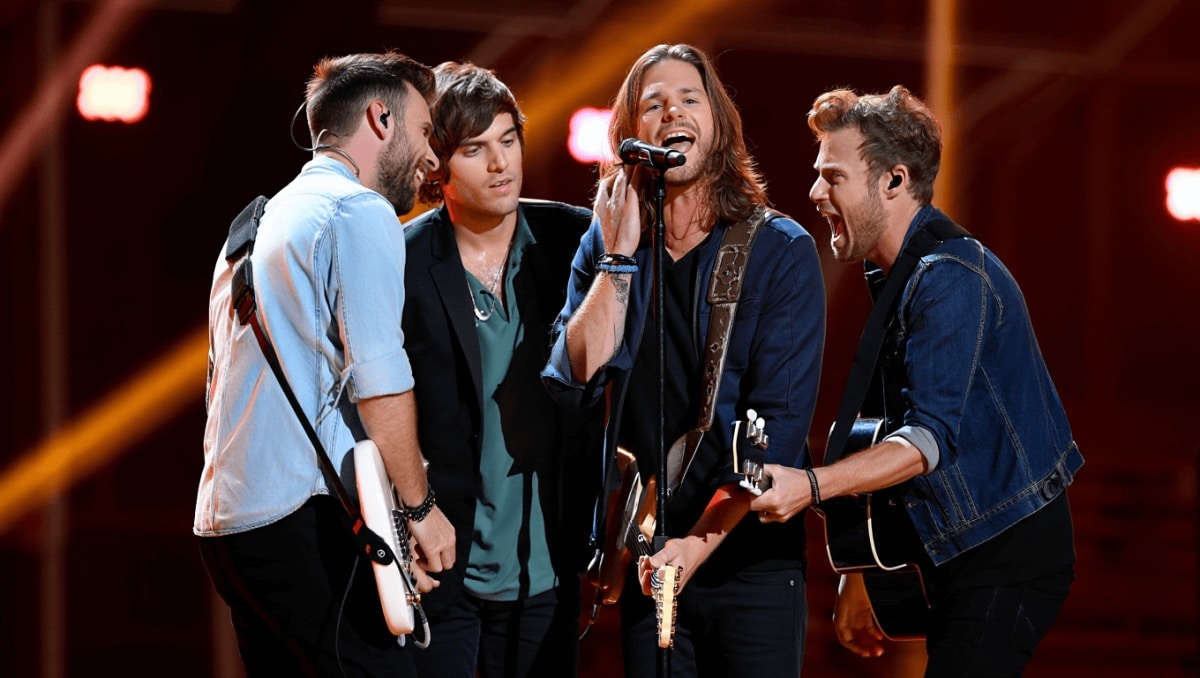
Kings of Leon quietly dropped EP #2, a compact set of new songs that marks a rare EP from the band and their first record made entirely without outside producers. The surprise release follows a busy stretch for the group, who continue to push their sound while running music through their own label.
EP #2 arrives: self-produced and unexpected
The band’s latest offering is notable for its DIY ethos. EP #2 represents Kings of Leon’s first fully self-produced project. That alone sets it apart from recent albums made with outside collaborators.
Nas slams music industry over disrespect: teases new music, vows to address it
1992 vocal performances: 3 jaw-dropping moments that still amaze
Earlier in 2024 the group released the full-length Can We Please Have Fun on their own imprint, Love Tap Records. EP #2 follows that LP and shows the band leaning into autonomy.
- First EP in decades for the band.
- Entirely self-produced, from tracking to final takes.
- Released with little fanfare, creating a sense of immediacy.
How Zach Bryan collided with Kings of Leon’s process
Between the LP and the EP, Kings of Leon teamed up with rising Americana star Zach Bryan. The two acts traded credits across two singles. The band appears on Bryan’s track “Bowery,” and Bryan joins them for “We’re Onto Something.”
Those collaborations exposed Kings of Leon to Bryan’s lightning-fast work style. Bryan often shares rough cuts with fans as he creates. He posts snippets and demos and then moves fast to finish and release songs.
Inside the rapid-recording moment
Frontman Caleb Followill recounted how Bryan’s timing forced quick decisions. A fragmentary song arrived from Bryan, and Followill brought a chorus and verse during a single flight home. Within days, Bryan wanted to record together in New York.
“He moves fast,” Followill said, noting that Bryan will often put an idea in front of listeners before polishing it. That urgency shaped the collaborations and shifted the band’s expectations.
Why the fast, rough approach resonates with fans
Followill compared Bryan’s method to the early days of hip-hop. The comparison points to one clear idea: listeners crave the behind-the-scenes moment.
- Authenticity: Raw versions feel honest and immediate.
- Connection: Fans engage with songs while they’re still forming.
- Momentum: Rapid releases keep attention from slipping away.
By sharing work in progress, an artist invites fans into the creative process. Followill believes that letting listeners see the mess and the build helps create lasting fandom.
What the collaborations reveal about Kings of Leon’s direction
The band’s recent moves show a blend of independence and experimentation. Running their own label gives them freedom to test different release strategies.
Working with Bryan also nudged them toward a looser, faster workflow. That lesson likely influenced how EP #2 came together.
Practical effects on future releases
- Shorter production cycles may become more common.
- Collaborations with artists who favor immediacy could increase.
- Fans may hear more unvarnished or live-feeling tracks.
Context: recent catalog and label independence
Can We Please Have Fun marked a turning point by being the first LP released through Love Tap Records. That move toward independence carries over into EP #2.
The sequence — LP, collaborations, then a self-produced EP — suggests the band is experimenting with format and speed. They are mixing full albums with shorter releases and surprise drops.
How fans and critics have reacted so far
Early responses point to appreciation for the band’s candor. Listeners praise the unfiltered vibe and the live energy in the new songs.
Critics note that DIY production can reveal new textures in a veteran band’s sound. In Kings of Leon’s case, that exposure emphasizes performance and feeling over glossy production.
Where this leaves Kings of Leon creatively
EP #2 and the Bryan collaborations have opened new paths. The band now has multiple ways to release music. They can refine full-length albums, or drop short, raw releases that capture a moment.
Running their own label and self-producing gives them the option to switch approaches at will. That flexibility affects songwriting, touring, and how they communicate with fans.










