
Show summary Hide summary
- How a makeshift recording grew into a celebrated live album
- Why Paul Westerberg later called the release a mistake
- Setlist surprises: covers, mashups, and off-the-cuff moments
- How the recording was handled and labeled
- Which Replacements records Westerberg respects today
- On being the band’s defining voice
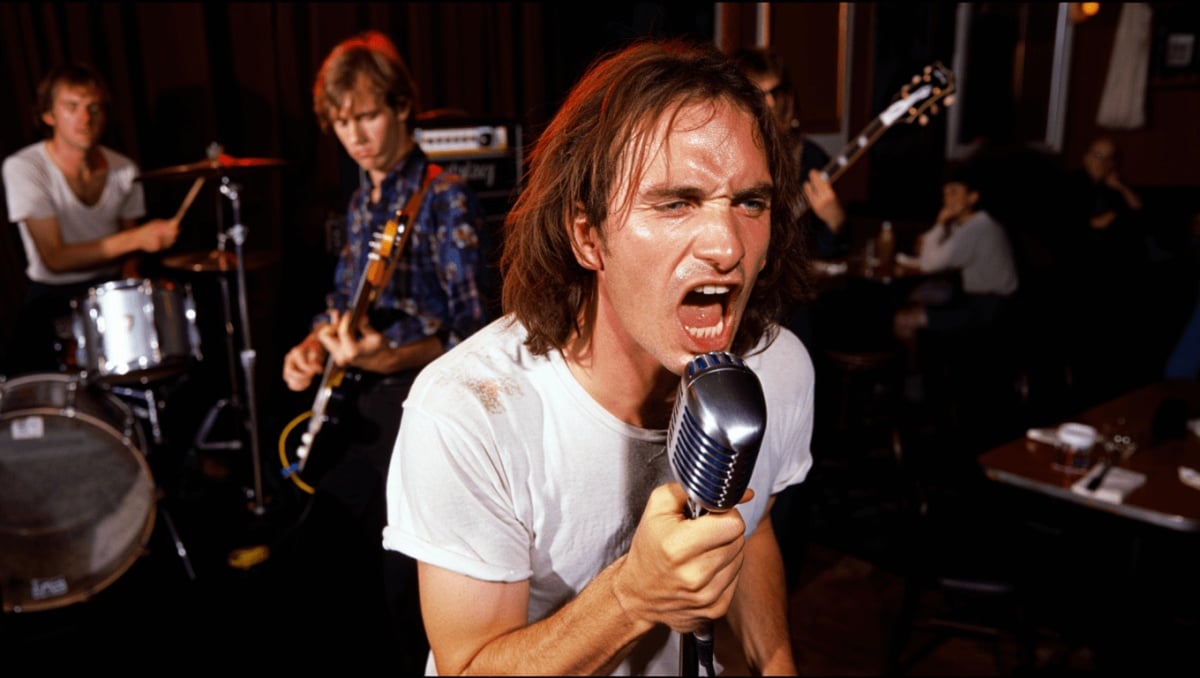
Forty years after a raucous night at The Bowery in Oklahoma City, a raw recording by The Replacements has kept its place in rock lore. The tape, captured during a chaotic set, morphed into the infamous live release The S*** Hits the Fan. What began as a one-off document has since sparked debate about whether it was triumph or misstep.
How a makeshift recording grew into a celebrated live album
The performance was taped at The Bowery and circulated as a loose, almost accidental release. Band members and their label treated the record like a bootleg. The sleeve even jokes about a roadie retrieving the tape from an audience member.
Nas slams music industry over disrespect: teases new music, vows to address it
1992 vocal performances: 3 jaw-dropping moments that still amaze
Despite its origin, the album earned serious recognition. Rolling Stone later listed it among the 50 greatest live albums. Critics and fans praised its unpolished energy.
Why Paul Westerberg later called the release a mistake
Paul Westerberg has been blunt about the record’s legacy. He once described putting it out as the band’s biggest error. His concern was simple.
- The record framed the band as inhospitable and unpredictable.
- Fans began to expect wild, sloppy shows every night.
- The Replacements then felt pressure to deliver the chaos audiences wanted.
Westerberg has said the release changed audience expectations. Instead of being judged by songs, shows became judged by spectacle.
Setlist surprises: covers, mashups, and off-the-cuff moments
The live set leaned heavily on other artists’ material. Out of roughly two dozen tracks, the majority were covers. That choice shaped the album’s tone.
- Jackson 5 material like “I’ll Be There”
- Led Zeppelin’s “Misty Mountain Hop”
- Mötley Crüe’s “Merry-Go-Round” from Too Fast for Love
In total, the band performed many pieces that originally belonged to other acts. The result felt less like a greatest-hits concert and more like a rowdy mixtape live onstage.
How the recording was handled and labeled
The album’s credits leaned into the bootleg story. Liner notes imply the tape was swiped from an enterprising fan and jokingly offer a small reward. That stance kept the release on the fringes of an official catalogue.
By embracing the tape’s informal provenance, the band preserved the performance’s rough edges. It also left ambiguity about whether the album was a polished document or a snapshot of a single night.
Which Replacements records Westerberg respects today
Westerberg has been selective about what he admires in the band’s output. He has been vocal about preferring some later work to the chaotic live set.
Eventually and other favorites
He singled out the 1996 album Eventually as a personal triumph. He described it as underrated and something he cared for deeply. For him, the record represented the sound he wanted to make.
Westerberg also mentioned a couple of studio missteps. He noted early records where production choices or mixes didn’t match his vision. Those records, he implied, didn’t fully capture the band the way he heard them.
On being the band’s defining voice
Westerberg reflected on how frontmen sometimes carry the band’s identity into solo efforts. He compared that to other artists who struggled after leaving successful groups. His point was about expectations.
He admitted that his voice and songwriting often became synonymous with The Replacements. That reality complicated both the band’s group identity and any later solo projects.











