Show summary Hide summary
- Why the push to drop Marilyn Manson from the 2027 tour
- How promoters and venues are responding
- Slipknot’s stance and industry reaction
- What Marilyn Manson has said and legal context
- Fan communities split on next steps
- Media coverage and social media dynamics
- Possible scenarios for the 2027 stadium tour
- What to watch next
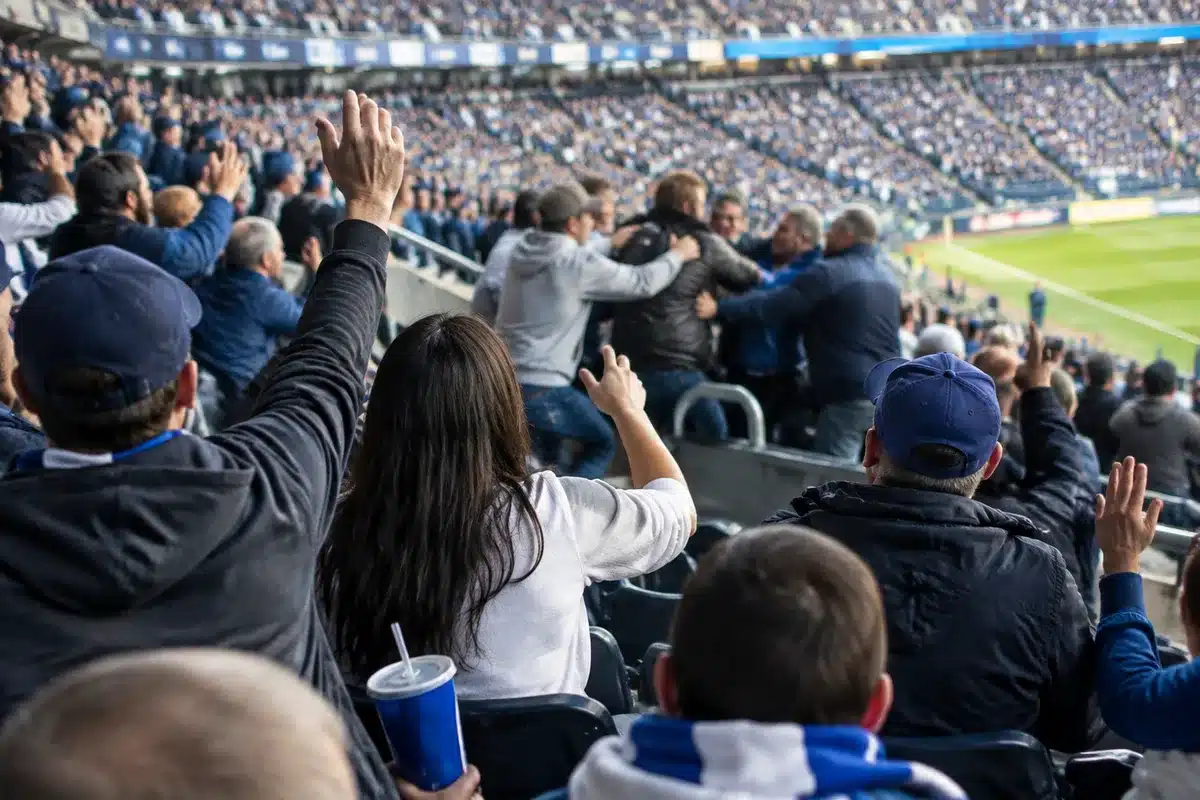
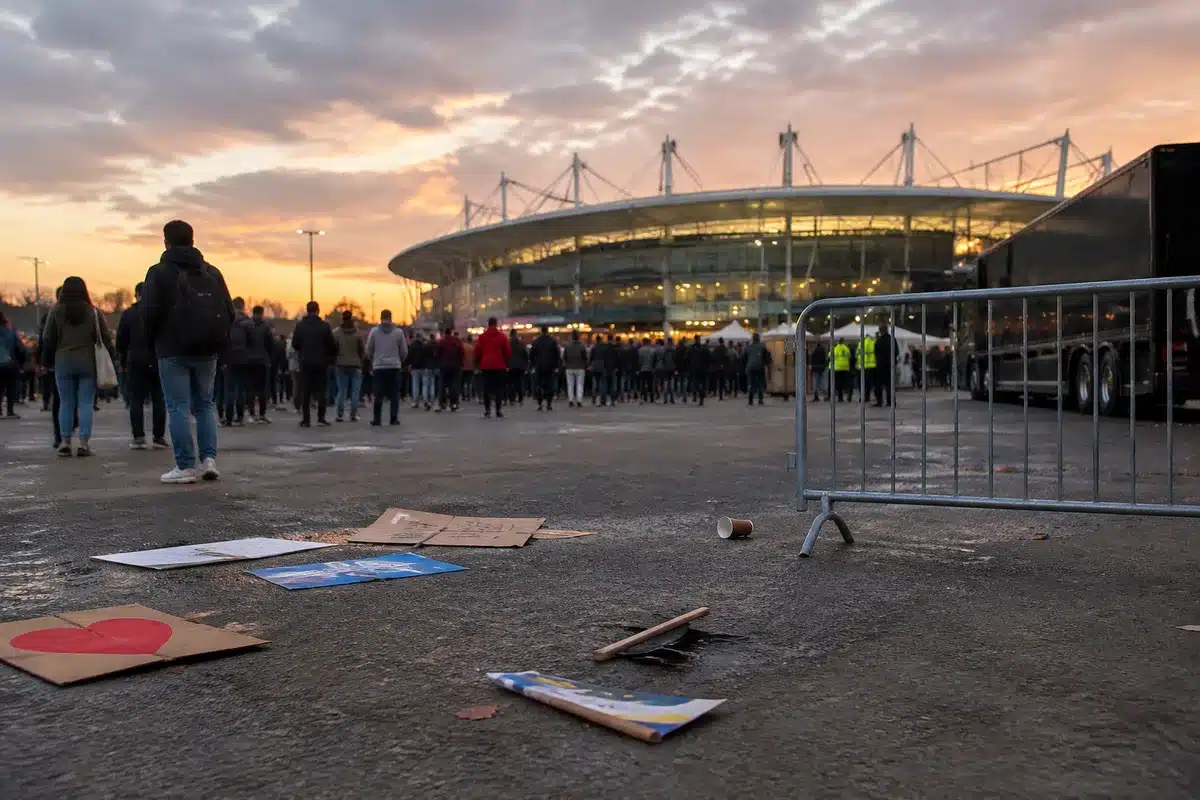
Calls are growing to remove Marilyn Manson from Slipknot’s planned 2027 stadium tour, as fans, activists and some industry insiders pressure promoters and venues to act. Social media petitions and public statements are forcing a renewed debate about accountability, public safety and the business of big arena shows.
Why the push to drop Marilyn Manson from the 2027 tour
The campaign against Manson centers on long-standing allegations of abuse and misconduct. Critics argue that those concerns make his presence on a large-scale tour inappropriate.
Rapper retirements reversed: 3 famous quits that turned into comebacks
Wiz Khalifa granted surprise legal lifeline: could derail prison sentence
- Petitions: Online drives demanding his removal have drawn thousands of signatures.
- Victim advocacy: Groups say inviting him sends the wrong message to survivors.
- Public pressure: Fans and former collaborators have publicly urged venues and promoters to reconsider.
How promoters and venues are responding
Venues and promoters face a delicate choice: honor contractual obligations or bow to public pressure. Several stadiums have been contacted by activists asking for cancellations.
Options open to event organizers
- Enforce existing contracts and keep the lineup intact.
- Seek legal pathways to remove a single act from the bill.
- Negotiate a publicly palatable solution, such as masking billing or replacing the artist.
Event insurance and clauses about conduct can be decisive. Promoters must weigh the risk of litigation against reputational damage.
Slipknot’s stance and industry reaction
Slipknot’s camp has not offered a definitive public statement in many cases. The band faces a balancing act between artistic collaboration and fan expectations.
- Some industry figures emphasize contractual stability for large tours.
- Others note that headline acts have been altered in the past after public outcry.
- Booking agents and sponsors watch for the financial ripple effects.
What Marilyn Manson has said and legal context
Manson has previously denied wrongdoing in multiple public statements. Several civil suits have been filed in past years, while criminal charges and outcomes vary by case and jurisdiction.
Legal matters can influence whether a performer stays on a bill, but they rarely resolve quickly. That uncertainty complicates decisions for 2027 tour planners.
Fan communities split on next steps
Fans are divided. A portion calls for immediate removal, citing ethics and public safety. Others insist on due process and defend artistic separation.
- Those demanding removal argue venues should refuse to host artists accused of abuse.
- Supporters of Manson critique what they see as cancel culture or mob pressure.
- Many casual fans simply worry about their tickets and how changes will affect the show.
Media coverage and social media dynamics
Coverage escalates as the story spreads across platforms. Hashtags, op-eds and influencer posts accelerate calls for action.
Digital campaigns can shift public opinion quickly. But they can also polarize and create unpredictable outcomes for promoters and artists.
Possible scenarios for the 2027 stadium tour
Promoters could choose several paths as the tour date nears. Each scenario carries trade-offs for finances and reputation.
- Maintain the lineup: Risk continued backlash, but avoid breach of contract.
- Replace the act: Might appease critics, but could trigger legal disputes or higher costs.
- Modify billing: Reduce marketing emphasis on the controversial performer while keeping them on stage.
- Postpone or reschedule specific dates: A temporary move to ease pressure on particular markets.
What to watch next
Key developments will include public statements from Slipknot, decisions by major stadiums, and announcements from promoters or insurers. Each update will reshape the debate over live music, accountability and commercial risk.