Show summary Hide summary
- Claims of near-total isolation and the conditions inside
- Signs of deterioration in mood and behavior
- Legal moves and pressure from advocates
- How civil-rights groups and mental-health experts are responding
- Research findings on isolation and psychological harm
- What supporters are asking for now
- Broader implications for the justice system and public safety
A well-known rap artist says he is being held in near-complete isolation, spending about 23 hours each day alone, while his mental health declines. Family members and legal representatives say they are alarmed and are pressing prison officials and advocates for immediate action. The artist’s case has reignited debate over the use of prolonged solitary confinement and its effects on prisoners’ well-being.
Claims of near-total isolation and the conditions inside
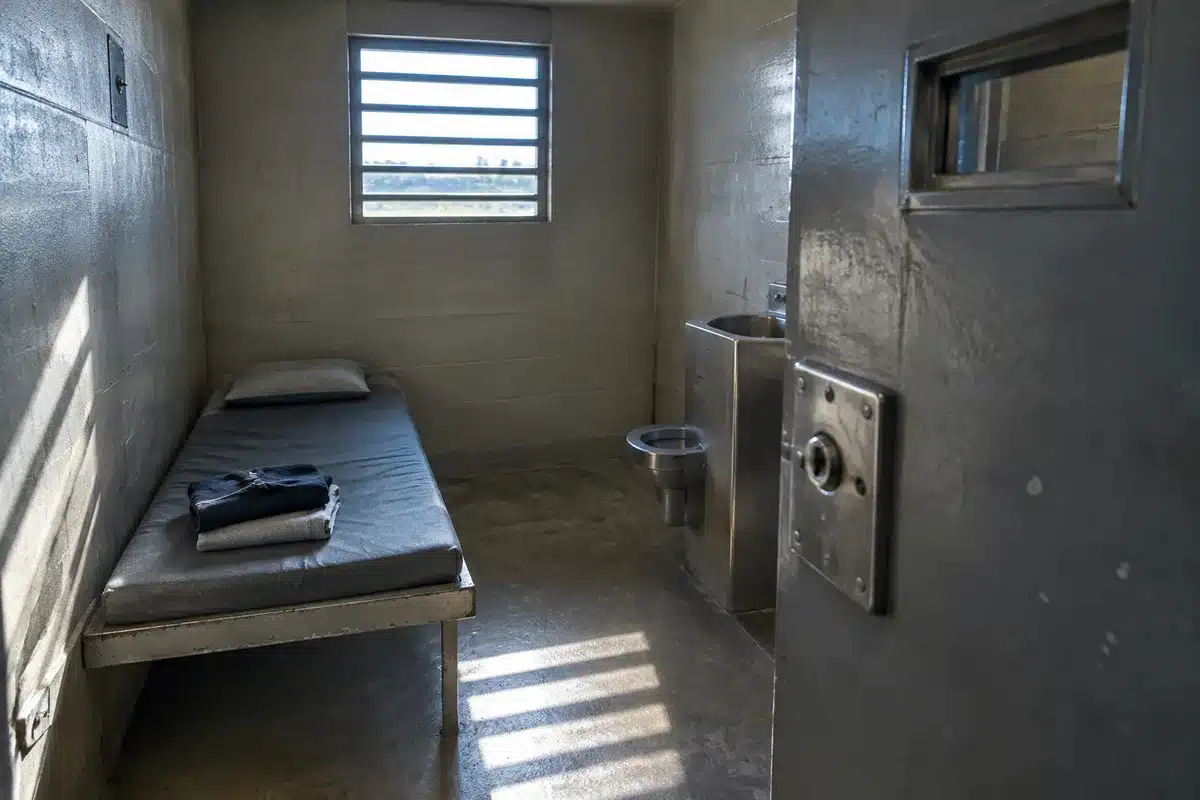
The rapper’s team says he is confined to a cell for nearly the whole day. Visits are limited. Social contact is minimal. Phone access and programs are restricted.
Rapper retirements reversed: 3 famous quits that turned into comebacks
Wiz Khalifa granted surprise legal lifeline: could derail prison sentence

- Alleged daily routine: almost no time outside his cell and scant human interaction.
- Limited services: reduced access to counseling, educational programs, and communal activities.
- Restricted contact: family visits and phone calls reduced or closely monitored, according to those close to him.
Signs of deterioration in mood and behavior
Those close to the rapper report worsening anxiety and disorientation. They describe sleep problems, increased agitation, and withdrawal.

Reported symptoms and changes
- Heightened anxiety and panic episodes.
- Frequent trouble sleeping or sleeping at odd hours.
- Loss of interest in things that once mattered.
- Periods of confusion and difficulty focusing.
Medical professionals who study solitary confinement warn these patterns can escalate quickly. Experts link prolonged isolation to depression, psychosis, and cognitive decline.
Legal moves and pressure from advocates
Attorneys for the rapper have filed complaints and requested medical evaluations. They argue the confinement violates constitutional protections and professional standards.
- Formal appeals have been submitted to the prison administration.
- Requests for competency and mental-health assessments are pending.
- Advocacy groups are calling for transfer to a facility with psychiatric care.
How civil-rights groups and mental-health experts are responding
Human-rights organizations say the case highlights broader policy failures. Mental-health advocates cite data showing long isolation increases risk of lasting harm.
- Policy criticism: prolonged solitary is often described as a public-health concern.
- Calls for reform: increased oversight, limits on time in isolation, and mandatory mental-health screenings.
- Public campaigns: petitions and social media efforts aim to raise awareness.
Research findings on isolation and psychological harm
Academic studies link solitary confinement to multiple harms even after release. The evidence is used to argue for strict limits and alternatives.
- Short-term effects include anxiety, sleep disruption, and hallucinations.
- Longer exposure has been tied to depression and increased suicide risk.
- Rehabilitation and structured programs reduce recidivism more effectively than isolation.
What supporters are asking for now
Friends, family, and legal counsel are urging several immediate steps.
- Medical review: independent psychiatric and medical evaluations.
- Transfer: movement to a facility with mental-health services.
- Reduced isolation: immediate steps to increase social interaction and programming.
- Transparency: documentation of treatment and access to legal visits.
Broader implications for the justice system and public safety
This incident has renewed attention on how correctional systems balance security and care. Critics say the case shows a need for policy change and stricter oversight.
Lawmakers and advocacy groups are watching closely. The outcome could influence guidelines on solitary confinement and mental-health care inside prisons.