Show summary Hide summary
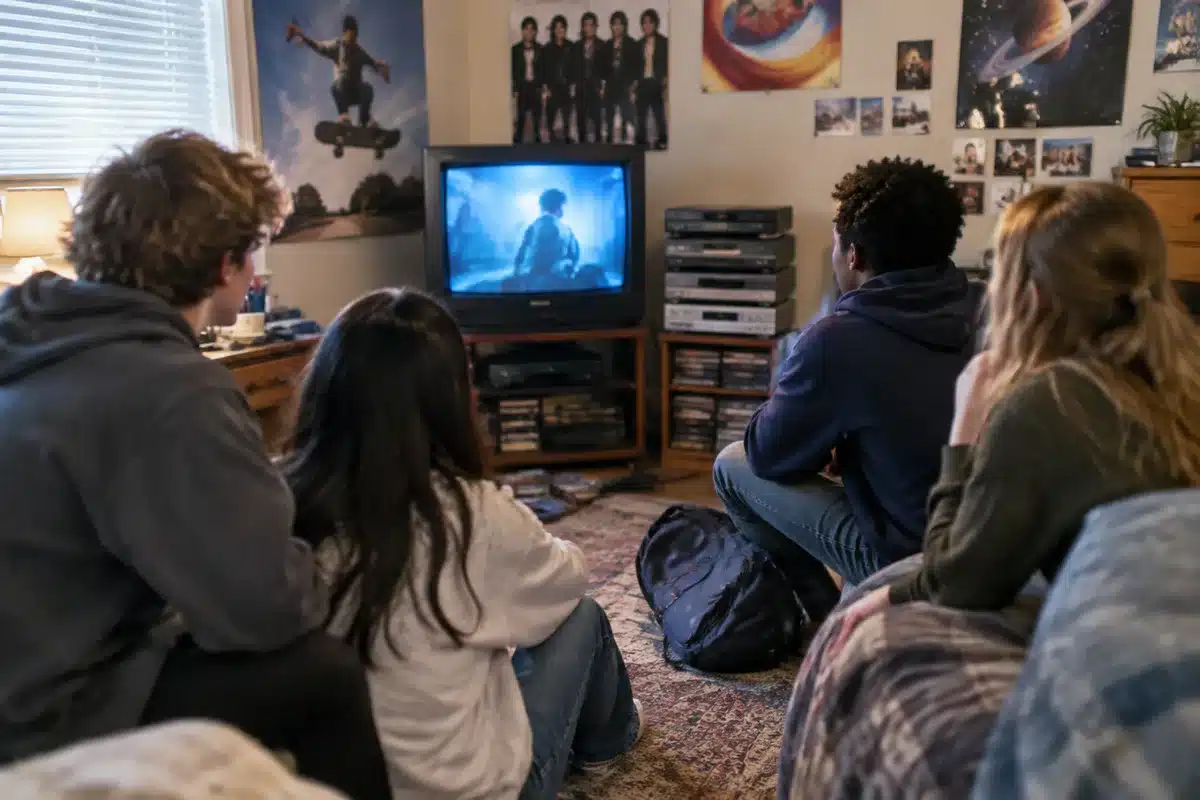
Millennial afternoons often meant racing home from school to catch the latest TRL countdown. Those minutes between the bus drop-off and dinner felt like a ritual. Music videos back then blended big hooks, bold visuals, and celebrity cameos. They defined tastes and sparked endless conversations in locker rooms.
Why TRL turned early 2000s rock videos into cultural moments
TRL made music videos appointment viewing. MTV’s live countdown mixed fan votes, interviews, and repeated plays. For many teens, the show was how songs became anthems.
Drakeo the Ruler’s estate settles after fatal stabbing
Lil Baby linked to NFL star shooting: police reveal whether he’s connected

Exposure on TRL could launch a band. A strong video meant chart momentum and radio requests. Visual style mattered as much as the hook.
Three early 2000s rock videos that had kids glued to the screen
-
Linkin Park — “In the End” (2001): a cinematic collision of rap and rock
The video paired surreal desert sets with rapid montage edits. It matched the song’s urgency. Chester Bennington’s voice and Mike Shinoda’s verses connected with teens who craved emotional honesty.
- Signature visuals: crumbling landscapes and dramatic camera moves.
- Impact: helped nu-metal cross into mainstream pop culture.
- Why kids replayed it: the combination of gritty beats and a memorable chorus made it impossible to watch just once.
-
The White Stripes — “Fell in Love with a Girl” (2002): raw rock with a bold art twist
This video stood out for its Lego-like stop-motion aesthetic. Its short runtime packed intense energy. Jack White’s stripped-back guitar riffs sounded fresh compared to big production acts.

The White Stripes’ Lego-like stop-motion visuals stood out on TRL. - Visual hook: saturated colors and rapid cut frames.
- Legacy: influenced indie and garage rock revivals that followed.
- Why it mattered on TRL: it offered a counterpoint to polished pop, which viewers loved.
-
Evanescence — “Bring Me to Life” (2003): gothic drama meets mainstream rock
Amy Lee’s impassioned vocals and the dramatic piano intro made the song unforgettable. The video mixed moody interiors with a cinematic storyline. It captured a dramatic, angsty vibe teens related to.
- Notable elements: orchestral flourishes and contrasting male rap cameo.
- Chart effect: propelled the band into heavy rotation across MTV and radio.
- Why viewers couldn’t look away: its theatrical visuals matched the song’s emotional intensity.

How these videos shaped millennial playlists and identities
Beyond views and votes, videos from this era built shared memories. They were backgrounds to crushes, first concerts, and bedroom poster walls. Fans quoted lyrics and traded tapes, CDs, and later MP3s.
TRL amplified connection. Seeing your favorite band on a national stage validated what you loved. It turned songs into generational markers.
What made a memorable early 2000s rock video
- Distinctive visuals that matched a band’s image.
- Strong hooks and singable choruses.
- Production choices that stood apart from teen pop.
- Frequent play on TRL and radio stations.
Where those videos live today
Many of these clips now have billions of digital views. They appear on streaming platforms and playlists curated for nostalgia. Fans still debate favorites and share clips on social media.
For millennials, these videos are time capsules. They recall a moment when music TV shaped taste and brought teens together after school.