Show summary Hide summary
- Who are the Thrilliam Angels and what drives their vision
- How the pyrotechnic costumes are built
- Choreography tailored to danger
- Safety culture: procedures and redundancies
- Regulatory hurdles and permit realities
- Public reaction and cultural debate
- Behind the scenes: rehearsal routines and mental prep
- How the performances are staged for maximum impact
- Ethics, imitation, and the role of art in risk
- Where this kind of performance fits in contemporary art
- What to know before attending a show
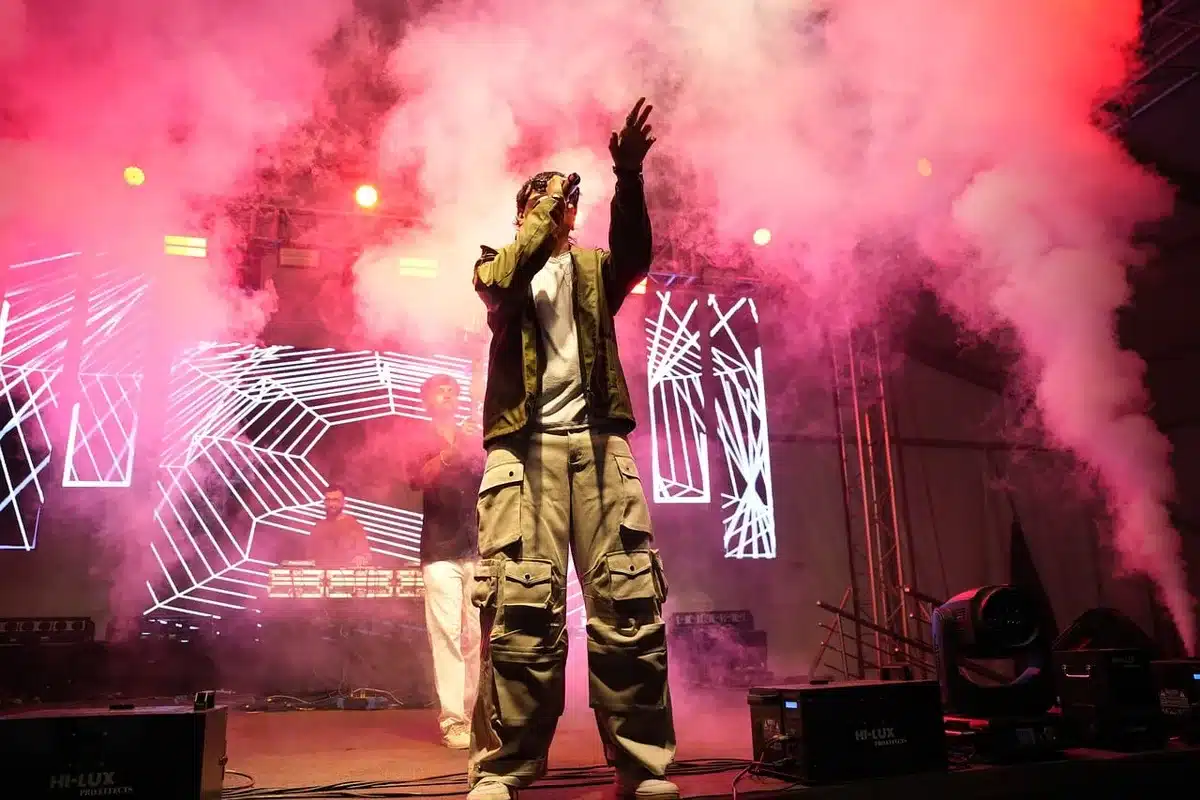
Under bright stage lights and the hush of waiting crowds, a breakdance routine suddenly erupts into sparks. The performers whirl, freeze, and flip while controlled pyrotechnics flare from their bodies. This is the work of Thrilliam Angels, an art collective that fuses street dance with live explosives to probe risk, spectacle, and the limits of performance.
Who are the Thrilliam Angels and what drives their vision
The Thrilliam Angels describe themselves as a hybrid of choreographers, engineers, and stunt coordinators. Their shows blend raw urban movement, engineered danger, and theatrical framing. Audiences leave talking about the adrenaline and the questions the act raises.
Drakeo the Ruler’s estate settles after fatal stabbing
Lil Baby linked to NFL star shooting: police reveal whether he’s connected
Breakdancing, in their hands, becomes a language for testing trust between artist and audience. The group says it aims to reframe spectacle as an exploration of presence and consent.
How the pyrotechnic costumes are built
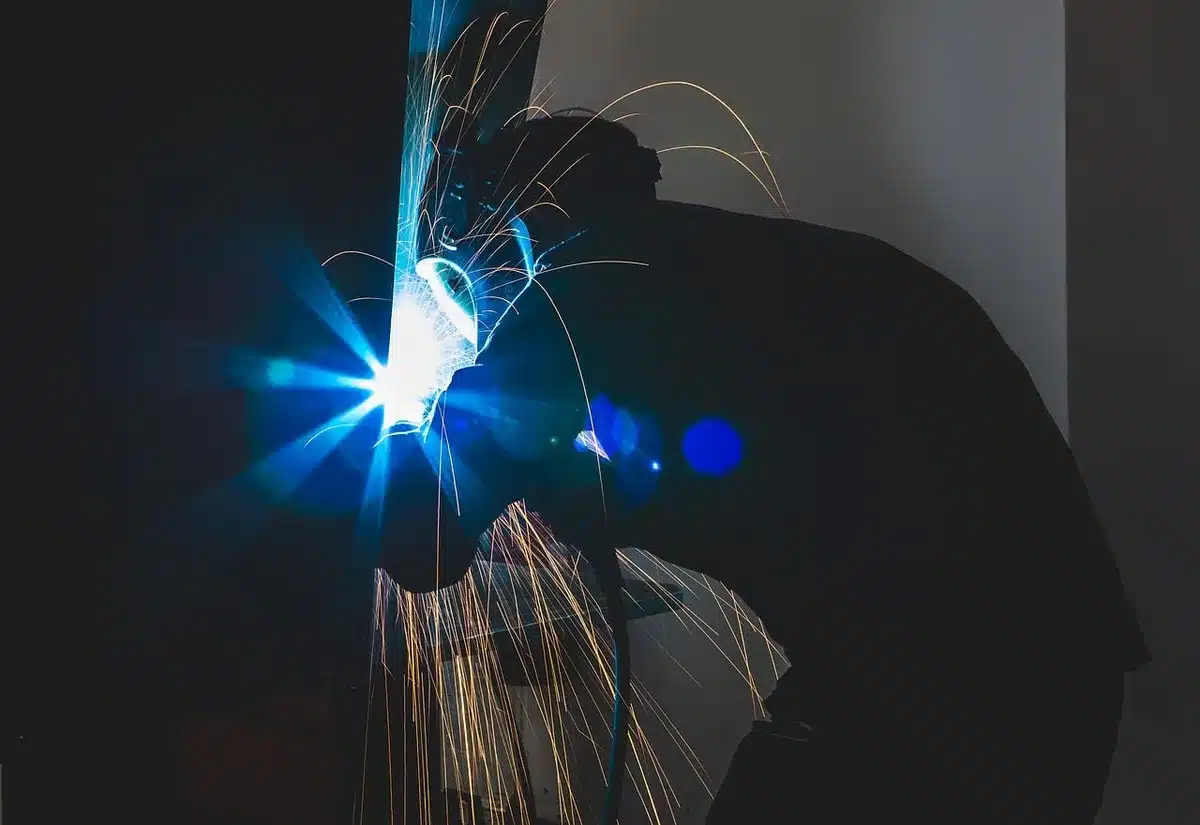
At the center of the performance are custom-welded rigs that attach small fireworks to clothing. Designers balance weight, heat shielding, and release timing. Each harness is tested repeatedly offstage before being cleared for live use.

Key components of the gear
- Heat-resistant outer layer: shields the dancer from sparks.
- Timed ignition modules: control when effects fire.
- Fail-safe cutoffs: allow instant disablement.
- Distribution belts: spread firework effects to avoid concentrated burns.
Choreography tailored to danger
Choreographers integrate the pyrotechnics into movement so the visual rhythm syncs with each burst. Moves are redesigned to minimize exposure to sparks while preserving impact.
- Rotations are elongated to keep blasts away from joints.
- Floorwork sequences are shortened near ignition points.
- Transitions are timed to the ignition map of the rig.
Safety culture: procedures and redundancies
Safety is presented as a technical and cultural practice. Rehearsals begin with detailed risk assessments. Crew members hold distinct safety roles during every live act.
Typical safety checklist
- Physical inspection of all pyrotechnic devices.
- Confirming battery life and module programming.
- Designated fire marshal on site.
- Medical technician standing by.
- Mandatory protective clothing for all performers.
Redundancy is emphasized: multiple ways exist to abort a firework, and each performer wears emergency cut-release tabs.
Regulatory hurdles and permit realities
Mounting such shows requires permits from local authorities. Insurance underwriters often demand additional clauses because of the obvious risks. Some venues refuse outright.
- Fire department inspections are typical.
- Insurance premiums can double or triple.
- Public liability clauses limit audience proximity.
Public reaction and cultural debate
Responses range from rapturous applause to ethical unease. Fans applaud the creative bravery. Critics worry about glamorizing danger and possible copycat acts.
Street dancers who value innovation often praise the visual boldness. Safety advocates call for clearer boundaries between art and risk.
Behind the scenes: rehearsal routines and mental prep
Rehearsals are long and methodical. Dancers rehearse without fireworks first. Visual cues and tactile markers guide them when sparks are added.
- Physical conditioning to handle extra rig weight.
- Simulated runs with inert props.
- Psychological briefings to manage stress and focus.
Performers report an acute sense of focus during live shows. The added stakes change how they perceive movement and timing.
How the performances are staged for maximum impact
Lighting, sound design, and camera angles intensify the effect. Directors time bass hits and light cuts to match spark bursts. The overall result is choreographed chaos.
- Low-angle shots emphasize flare arcs.
- Strobe lighting can mask rapid transitions.
- Soundscapes heighten perceived danger.
Ethics, imitation, and the role of art in risk
The Thrilliam Angels spark a broader conversation about how far art may go to awaken an audience. Is danger legitimate subject matter, or a trend that demands restraint? Some argue that transparent safety practices make the act defensible. Others warn that spectacle can erode caution in younger artists.
Imitation risk is real: less-equipped groups might try to replicate the look without safeguards. That possibility pushes the Angels to publish safety summaries after shows.
Where this kind of performance fits in contemporary art
Thrill-based theater and immersive spectacle have gained traction in recent years. The group positions their work at the intersection of urban dance and engineered risk. Critics place them among artists who test how far live performance can stretch without becoming mere stunt work.
Some venues file the shows under experimental theater. Others see them as avant-garde street performance adapted for the pro stage.
What to know before attending a show
If you plan to see a performance, expect loud noises, showers of sparks, and restricted seating. Organizers usually publish safety advisories and age recommendations. Buy tickets from verified outlets and follow venue instructions.
- Keep distance from the stage.
- Follow all usher and staff directions.
- Do not attempt to replicate stunts.