
Show summary Hide summary
- How the No Kings movement spread across the country
- A wounded veteran from Oklahoma City became the story people shared
- Why his message resonated on social platforms
- What Wofford said about rights and responsibility
- Responses from across the country
- Media coverage and the viral clip
- Voices explaining why they stood with No Kings
- Social media reaction: the comments that trended
- Where the story goes next
Saturday’s “No Kings” demonstrations drew massive crowds nationwide, with organizers and local reports saying nearly 7 million people turned out. Events took place coast to coast, in every state, and the movement’s reach extended far beyond traditional urban strongholds.
How the No Kings movement spread across the country
Saturday’s rallies were coordinated in hundreds of communities. Activists organized marches, vigils, and public gatherings from small towns to major metropolitan areas.
KATSEYE postpones another concert: illness details remain undisclosed
Cupertino: a stylish legal drama packed with tech twists
Scale and geographic reach
- Organizers reported more than 2,700 separate events.
- Demonstrations occurred in all 50 states.
- Attendance numbers pushed close to 7 million participants.
The protests attracted people with diverse backgrounds and political views. Many attendees said they were motivated by concerns about civil liberties and equal rights.
A wounded veteran from Oklahoma City became the story people shared
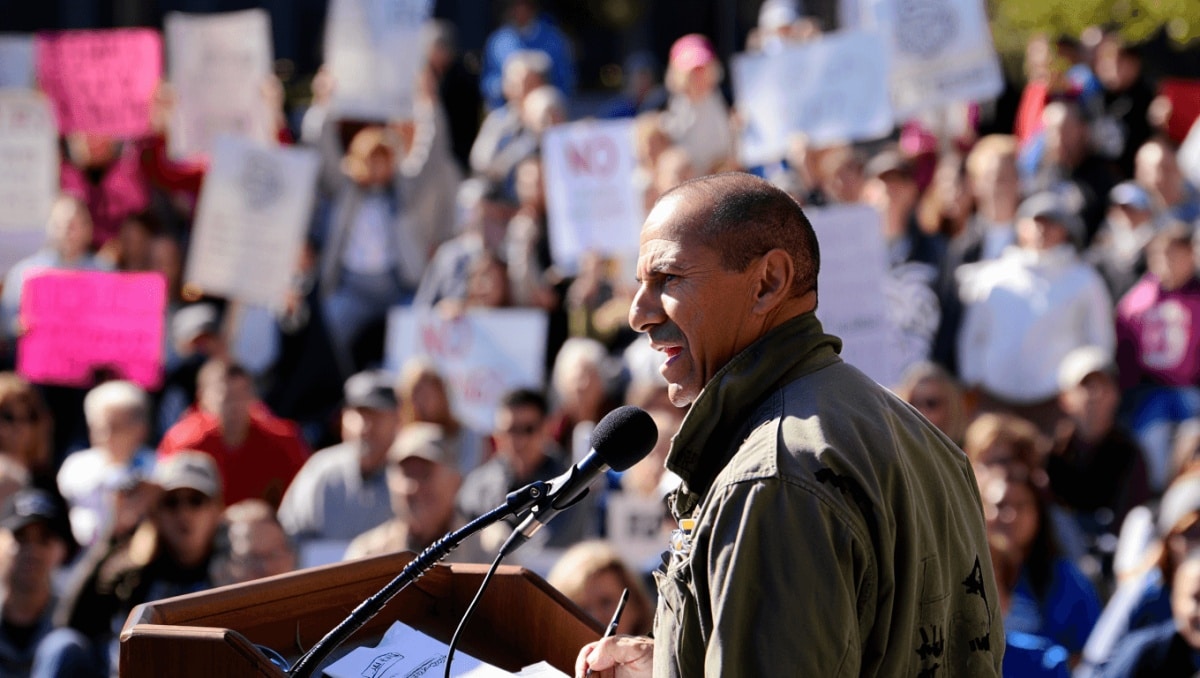
One moment from an Oklahoma City gathering quickly spread online and shaped the weekend’s coverage. Brian Wofford, an Army veteran injured in the Iraq War, stood out in a green service coat marked with his honors.
Wofford told a local reporter he came because he could not remain silent. He reminded listeners that he had sacrificed on the battlefield, including losing a limb, and that watching rights erode at home compelled him to act.
He said serving abroad cost him dearly, and he would not accept a loss of rights where he lives.
Why his message resonated on social platforms
The clip of Wofford speaking was shared widely on TikTok and other apps. Viewers reacted strongly to the combination of his military service and his emotional appeal.
- Many praised him for speaking out in uniform.
- Some commenters highlighted the pain in his voice when he described his reasons for attending.
- Veterans and military spouses posted supportive messages about defending the rights they fought to protect.
Comments called his words powerful and his presence emblematic of patriotism.
What Wofford said about rights and responsibility
In the interview, Wofford framed his participation as a duty. He shared that he had been ready to give his life overseas to defend freedoms, and he could not stand by while people at home were treated unfairly.
His message blended personal sacrifice with a plea for accountability. He spoke about seeing citizens reduced to second-class status and urged others to pay attention.
Responses from across the country
Reactions to the veteran’s remarks poured in across comment threads and local pages.
- One user wrote that Wofford’s words “hit hard,” noting the emotional weight behind his service.
- Another thanked him directly for his military sacrifice and called his comments “powerful.”
- Several voices urged greater civic engagement, saying veterans have a special claim to demand protections for civil liberties.
Many commenters stopped to acknowledge the cost of service and the frustration of seeing rights erode.
Media coverage and the viral clip
Local outlets captured the interview and shared the video online. The Oklahoman posted a short clip that was later embedded and reshared by national pages.
The footage features Wofford in his service coat, speaking directly about why he attended the rally. View counts rose quickly after social platforms picked up the story.
Voices explaining why they stood with No Kings
Aside from military voices, protesters offered a range of reasons for joining the rallies. Many cited a desire to protect voting rights, civil liberties, and equal treatment under the law.
- Some attendees said they feared government overreach.
- Others pointed to local policy disputes as motivation.
- Community groups and faith organizations joined to show solidarity.
The movement drew people who see democratic safeguards as nonpartisan and urgent.
Social media reaction: the comments that trended
Short clips and quotes from the day generated thousands of replies. People used reactions to both praise speakers and to debate the broader aims of the protests.
- Supportive commenters labeled participants as patriots and thanked veterans for their service.
- Some skeptics questioned tactics and messaging, sparking online debate.
- Others focused on the sheer scale of turnout and what it signals for civic energy.
Where the story goes next
Follow-up coverage will likely track local organizing, any political responses, and how viral moments influence the public conversation. Organizers said they plan further events if pressure continues.
Observers will be watching whether the protests lead to concrete policy actions or sustained civic engagement.










