Show summary Hide summary
- From club DJ to early hip-hop architect
- Electro-rap: the sound that framed his first records
- The World Class Wreckin’ Cru chapter and West Coast nightlife
- Sequins, stage outfits, and the visual side of early rap
- Technical tools: machines, mixing, and studio experiments
- Notable early recordings and songs to explore
- How the electro period shaped a future hip-hop titan
- Wider influence: electro-rap’s footprint on Los Angeles music
- From glitter to grit: the pivot toward N.W.A.
- Where to hear those early sounds today
Long before the thunderous beats of The Chronic and the hard-edged narratives of N.W.A., André “Dr. Dre” Young stood under club lights in a sequined jumpsuit, shaping a glossy, electronic take on hip-hop. That era is often overlooked, yet it reveals the technical curiosity and showman’s instincts that would later remake the sound of West Coast rap.
From club DJ to early hip-hop architect
In the late 1970s and early 1980s, Los Angeles clubs were incubators for new music. Dre started as a DJ and beat selector. He learned to read crowds, match tempos, and blend funk with early electronic grooves.
Drakeo the Ruler’s estate settles after fatal stabbing
Lil Baby linked to NFL star shooting: police reveal whether he’s connected
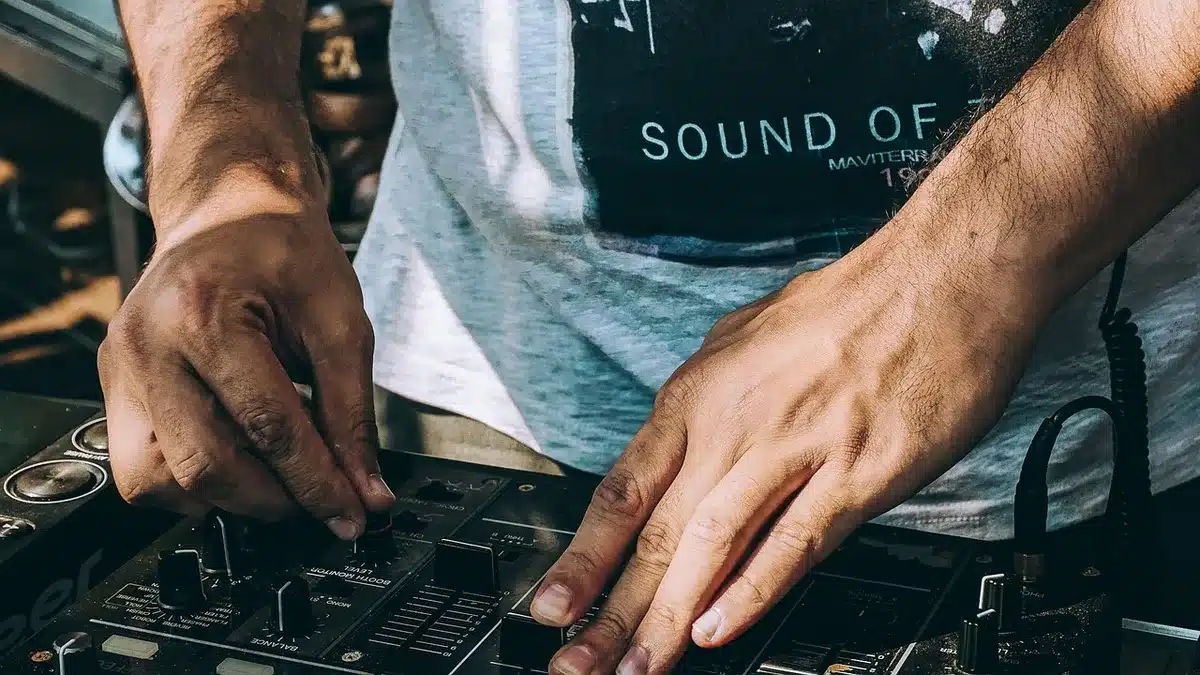
This DJ apprenticeship taught him timing and texture. Those skills became the backbone of his later production work.
Electro-rap: the sound that framed his first records
Electro-rap fused synthesized melodies with machine-driven percussion. It blended pop sensibilities with street energy. For Dre, the style offered a sonic laboratory.
- Heavy use of drum machines, especially the Roland TR-808.
- Synth bass lines and staccato arpeggios.
- Futuristic effects and robotic vocal treatments.
He explored these tools on early singles and club mixes. The sound was polished, danceable, and very different from the later G-funk era.
The World Class Wreckin’ Cru chapter and West Coast nightlife
Dre joined the World Class Wreckin’ Cru, an L.A. collective tied to the nightclub scene. The group delivered party-ready tracks and glossy stage shows.
Key players and hotspots
- Alonzo Williams — DJ and promoter who formed the group.
- DJ Yella — collaborator and future N.W.A. member.
- Eve After Dark — a club that became a hub for the electro-rap crowd.
The club circuit put Dre in contact with recording gear and eager audiences. It also gave him a platform to test production ideas live.
Sequins, stage outfits, and the visual side of early rap
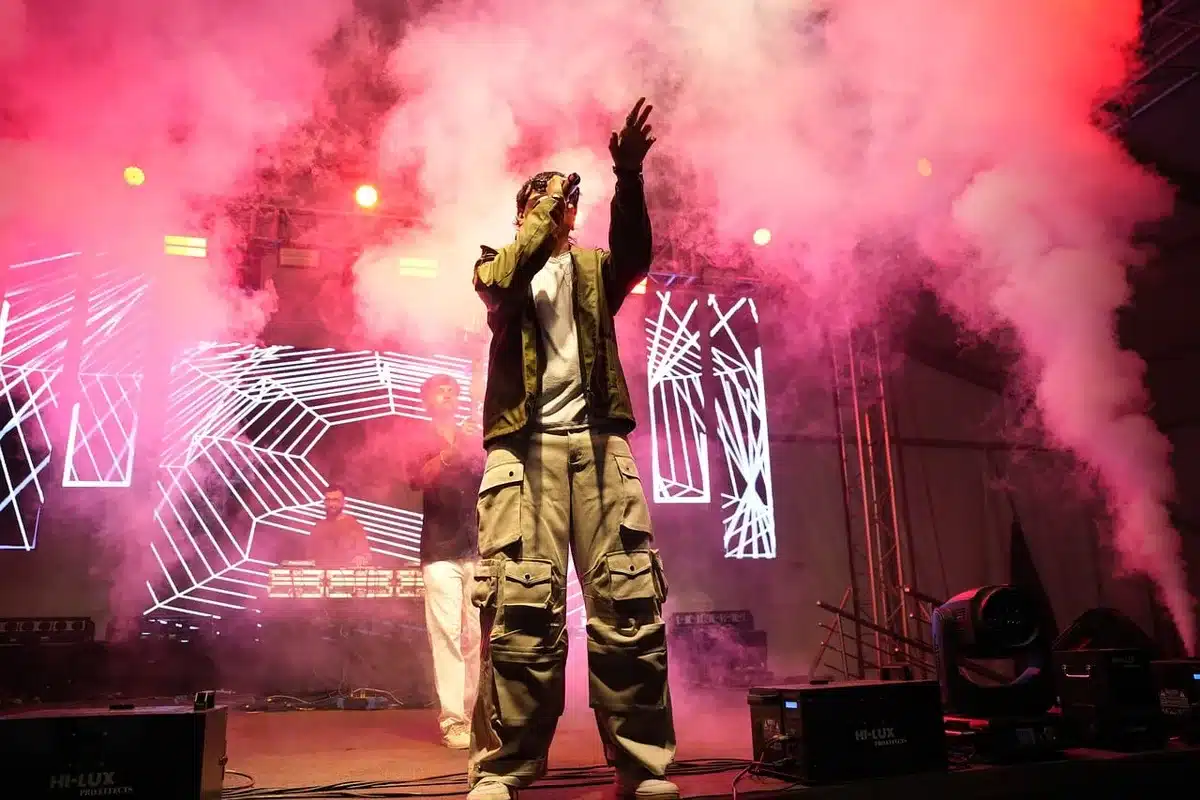
Onstage, Dre often wore flashy costumes. The sequined jumpsuit became a striking emblem of that era. It signaled a performer who embraced spectacle.
Fashion choices did more than attract lights and cameras. They shaped how fans perceived the music. The glamour helped sell the electro aesthetic and made the act approachable to nightclub crowds.
Technical tools: machines, mixing, and studio experiments
Dre’s early records showcase a fascination with equipment. He sampled, sequenced, and layered sounds in novel ways.
- Drum machines: TR-808 and TR-909 beats provided the rhythmic backbone.
- Synthesizers: analog leads and pads gave tracks their bright tones.
- Effects: gated reverbs and flange added futuristic sheen.
These experiments formed Dre’s production vocabulary. He carried them into later sessions, where they met grittier lyrical content.
Notable early recordings and songs to explore
Several cuts from the era capture his electro-rap approach. They are snapshots of a producer refining his craft.
- Party-oriented singles that dominated local dance floors.
- Club mixes where the DJ role and production blurred.
- Collaborations that highlighted synth work and programmed drums.
Listening to these tracks reveals different priorities than his later albums. The emphasis was groove and sheen rather than street realism.
How the electro period shaped a future hip-hop titan
The transition from sequined stagewear to leather jackets and street narratives was dramatic. Still, the electro years left lasting traces.
- Mastery of rhythm programming translated to sparse, powerful beats.
- Attention to sonic detail informed later mixing and arrangement choices.
- Experience in live performance improved his sense of pacing in records.
Without that early chapter, Dre’s later rise as a producer and mogul looks very different. The technical curiosity and polish developed then became crucial in building West Coast rap’s sound.
Wider influence: electro-rap’s footprint on Los Angeles music
Electro-rap seeded ideas across genres in L.A. It bridged funk, pop, and early hip-hop production. Producers and DJs borrowed its drum-machine logic and glossy synth textures.
The style also showed how image and sound could be packaged for broader audiences. That lesson shaped marketing strategies for later rap acts and labels.
From glitter to grit: the pivot toward N.W.A.
As Dre moved into the late 1980s, his network shifted toward street-focused storytellers. The same skills that made him a star in clubs now helped craft hard-hitting beats for a different audience.
He took the precision of electro programming and paired it with darker samples, funk loops, and raw lyricism. The result was a seismic change in hip-hop production.
Where to hear those early sounds today
Archival releases and reissues collect many World Class Wreckin’ Cru tracks. Online streaming also hosts rare singles and remastered compilations.
- Look for early singles credited to the group or as Dre’s production work.
- Explore DJ sets from the era to hear how tracks were mixed live.
- Read oral histories that place the music in the context of L.A.’s nightlife.
Revisiting these recordings offers a clearer view of Dre’s evolution. They show a producer constantly reinventing both his sound and his public image.