
Show summary Hide summary
- What body language specialists are pointing out about Holmes’ face
- How experts interpret those facial signs
- Tools and techniques used by body language analysts
- Why cinematic choices amplify facial readings
- Social media and the viral reaction to facial moments
- Nathan Fielder’s interview style and its effect on viewers
- What to watch for when evaluating nonverbal cues
Nathan Fielder‘s latest documentary has reignited attention on Elizabeth Holmes, but not for the reasons you might expect. Viewers and experts alike are pausing on brief moments of facial expression. Body language analysts say those tiny gestures tell a story beyond words, and their reactions have flooded social feeds.
What body language specialists are pointing out about Holmes’ face
Analysts watching the film note several consistent cues. They describe expressions that feel measured, often at odds with the words being spoken. These details can change how audiences read credibility and emotion on screen.
80s British indie bands that changed American alternative rock forever
Pearl Jam drummer quits after 27 years: band says where things stand
- Controlled smiles: Smiles that do not reach the eyes, appearing rehearsed or restrained.
- Minimal blinking: Longer-than-usual eye contact with reduced blink rate, which can signal focus or deliberate control.
- Lip press and pursing: Small movements that suggest tension or guardedness.
- Flat affect shifts: Sudden drops in expressiveness after emotive statements.
- Microexpressions: Brief flashes of emotion that contradict the spoken message.
How experts interpret those facial signs
Specialists caution against quick judgments, but they outline possible meanings. Faces convey intent, stress, and regulation. When expression and speech diverge, observers notice.
- Some say the discord hints at emotional suppression.
- Others suggest practiced self-presentation for media settings.
- Several analysts point to learned performance skills, common in high-profile figures.
Tools and techniques used by body language analysts
Experts use established methods to assess facial behavior. Their approach relies on careful observation and context. No single cue proves intent, say specialists.
- Facial Action Coding System (FACS) to break gestures into units.
- Baseline comparison: watching how a person behaves across moments.
- Cluster analysis: grouping signals that appear together.
- Contextual reading: considering the interviewer, lighting, and edits.
Why cinematic choices amplify facial readings
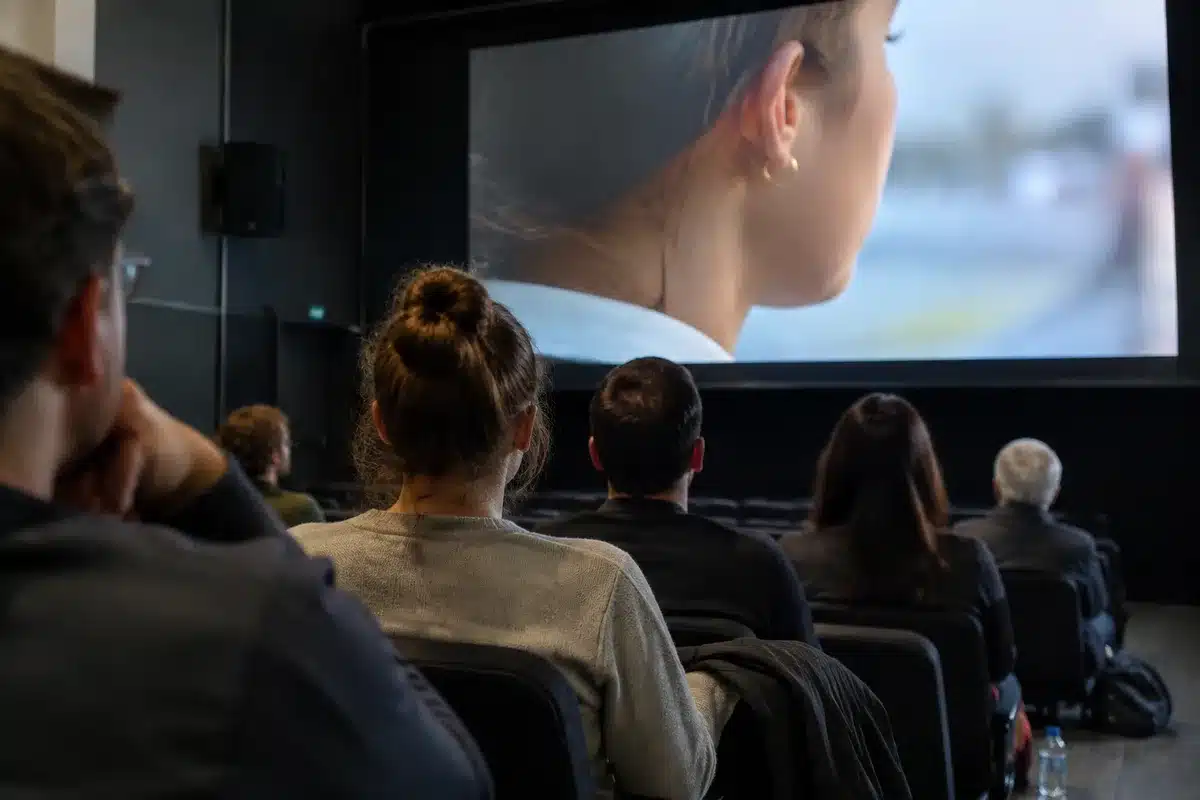
Filmmaking decisions shape what viewers see. Editing, camera distance, and sound design can emphasize micro-moments. Documentaries often rely on close-ups to create intimacy.

- Close framing magnifies subtle muscle movements.
- Selective cuts can make expressions seem abrupt or eerie.
- Ambient sound and silence alter perceived tension.
Social media and the viral reaction to facial moments
Clips from the documentary have sparked intense online debate. Short excerpts loop on platforms, and commentary ranges from curiosity to discomfort. The term “creepy” has appeared frequently.
- Some viewers focus on authenticity and deception.
- Others discuss performance, publicity strategy, and persona management.
- Psychologists urge caution: social clips often lack full context.
Nathan Fielder’s interview style and its effect on viewers
Fielder’s choices as director shape how facial behavior reads. His pacing and tone encourage sustained observation. That sustained gaze makes small gestures feel significant.
- Long takes let microexpressions register.
- Neutral interviewer reactions can heighten tension.
- Framing and lighting put the subject under a literal microscope.
What to watch for when evaluating nonverbal cues
Experts offer simple guardrails for viewers who want a more balanced read. Facial cues matter, but they require context and pattern recognition.
- Look for clusters, not isolated ticks.
- Compare behavior across different settings.
- Consider the production: edit and intent affect appearance.
- Remember cultural and individual differences in expression.










