Show summary Hide summary
- From car trunks to streaming: how mixtapes evolved
- Five mixtapes that echo through modern hip-hop
- Chief Keef — Back From The Dead: a raw blueprint for drill and beyond
- Lil Wayne — Da Drought 3: punchlines, flow, and mixtape superstardom
- G‑Unit — No Mercy, No Fear: building a street-to-superstar pipeline
- Future — Monster: reshaping mood, melody, and emotional grit
- Gucci Mane & DJ Drama — The Movie (Gangsta Grillz): Atlanta’s mixtape movement
- Why these mixtapes still matter for artists and listeners
Mixtapes once pulsed at the heart of hip-hop. They were street-corner artifacts and trunk-sold treasures that launched careers, sparked scenes, and defined sounds. As digital platforms rose and industry pressures shifted, the mixtape’s appearance changed, but its cultural echo remains loud in today’s rap music.
From car trunks to streaming: how mixtapes evolved
In the pre-streaming era, mixtapes were a grassroots engine. DJs, local crews, and independent artists used them to test new sounds. Fans bought tapes at shows or on busy blocks. The format allowed risk-taking without corporate constraints.
Nas slams music industry over disrespect: teases new music, vows to address it
1992 vocal performances: 3 jaw-dropping moments that still amaze
When legal scrutiny intensified in the late 2000s, physical distribution faltered. The RIAA’s enforcement and high-profile cases forced mixtape culture online. Sites like DatPiff, Spinrilla, and MyMixtapes became vital hubs. They helped a generation of acts build followings fast.
Today, the line between a mixtape and an album is blurred. Streaming platforms list both under the same umbrella. Yet, the mixtape ethos—rawness, experimentation, and quick release—still informs how artists make music.
Five mixtapes that echo through modern hip-hop
Some projects from the mixtape era still shape sound and style. They influenced melodies, vocal delivery, and production trends. Below are five records whose fingerprints show up across current rap.
Chief Keef — Back From The Dead: a raw blueprint for drill and beyond
Chief Keef’s early work reimagined Chicago street rap. Back From The Dead condensed aggression and a haunting mood. Production was minimal and hard-hitting. Vocals carried urgency over eerie beats.
- “I Don’t Like” crystallized a movement. It was a cultural detonator for drill music.
- Tracks like “Monster” embraced horror-tinged sonics. They echoed older Southern horrorcore while feeling modern.
- “Save That S**t” hinted at melodic playfulness that later merged with internet subgenres.
Keef’s impact stretches from SoundCloud rap to mainstream trap. His approach encouraged looser song forms and unpredictable melodies. Many younger artists owe elements of their style to this mixtape era.
Lil Wayne — Da Drought 3: punchlines, flow, and mixtape superstardom
Lil Wayne’s mixtape output redefined lyrical bravado. Da Drought 3 showcased his knack for remixing popular beats. It also demonstrated a virtuoso ability with metaphors and cadence.
- “Dough is What I Got” showed Wayne confronting contemporaries and staking his artistic claim.
- His mixtape freedom allowed endless bars and risk-taking lines that might not fit label albums.
- The tape helped cement his reputation as the definitive mixtape-era wordsmith.
Wayne’s mixtape phase influenced a wave of rappers who prioritized relentless lyricism and personality over polished album concepts. That raw, competitive spirit persists in many modern outputs.
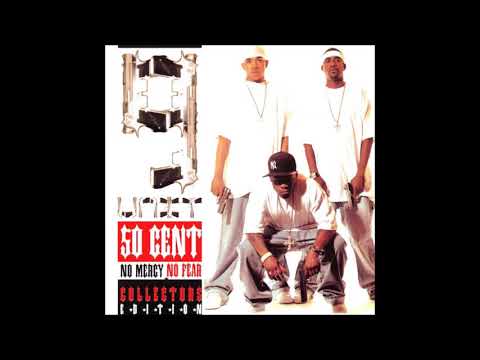
G‑Unit — No Mercy, No Fear: building a street-to-superstar pipeline
G-Unit’s early mixtapes were a blueprint for turning underground buzz into mainstream success. 50 Cent, Lloyd Banks, and Tony Yayo used mixtapes to craft personas and test hits.
- Tracks like “After My Chedda” and “Wanksta” circulated before major-label launches.
- Lloyd Banks’s performances on certain cuts rivaled established icons.
- The group’s strategy showed labels that mixtapes could fuel real commercial momentum.
No Mercy, No Fear proved mixtapes could manufacture superstars. The record influenced how teams promoted artists, favoring constant engagement and street credibility.
Future — Monster: reshaping mood, melody, and emotional grit
Future’s Monster marked a pivotal reinvention. He moved from shining collaborations to a darker, more introspective tone. The mixtape framed vulnerability as strength.
- The sound was bleak and full of warped melodies.
- Future used repetition and atmospheric trap to convey heartbreak and rage.
- Monster catalyzed a trio of tapes that would define his next decade.
This record affected vocal phrasing and production across the genre. Many artists adopted its melancholic aesthetic and autotuned intimacy.
Gucci Mane & DJ Drama — The Movie (Gangsta Grillz): Atlanta’s mixtape movement
Gucci Mane’s prolific mixtape run made him a central figure in modern rap. The Movie, hosted by DJ Drama, captured a balance of raw street energy and pop-ready hooks.
- Gucci’s idiosyncratic voice and adlibs became signature elements across trap.
- DJ Drama’s Gangsta Grillz branding added cachet and a narrative frame.
- Tracks combined gritty authenticity with accessible melodies.
The Movie linked underground credibility to wider audiences. Its influence flows through the lexicon, cadence, and work ethic of many contemporary artists.
Why these mixtapes still matter for artists and listeners
Each project on this list did more than deliver songs. They established new norms. They gave artists permission to experiment. They created cultural moments that streaming alone can’t explain.
- Mixtapes fostered direct artist-to-fan relationships.
- They accelerated innovation by removing label timelines.
- They seeded stylistic trends visible in today’s playlists.
Even as formats shift, mixtape DNA persists. The energy, immediacy, and willingness to fail forward remain core to hip-hop’s evolution.