
Show summary Hide summary
- How a lost Lorca fragment becomes a modern cinematic spine
- Characters, performances and the actors who bring them to life
- The film’s portrayal of queer desire against a backdrop of conflict
- Visual design, sound, and moments of surrealism
- Themes of inheritance, secrecy and cultural memory
- Technical notes, festival buzz and release details
A newly released Spanish film resurrects a fragment of Federico García Lorca’s unfinished play to trace three queer lives across nearly a century. The result is a haunting, visually rich epic that links private longing to public violence, and revives a buried piece of cultural history with urgency and tenderness.
How a lost Lorca fragment becomes a modern cinematic spine
Directors Javier Calvo and Javier Ambrossi reshape Lorca’s unfinished work into a triptych spanning 1932, 1937, and 2017. The filmmakers, with writer Alberto Conejero, stitch together separate timelines to form a single narrative thread.
90s R&B: 3 artists who prove you have great taste
Drakeo the Ruler’s estate settles after fatal stabbing
- Past and present merge: the film shifts between pre-war Granada, wartime Cantabria, and contemporary Madrid.
- Unfinished theatre as catalyst: Lorca’s fragment functions as both plot device and emotional anchor.
- Nonlinear storytelling: editor Alberto Gutiérrez pieces the timelines into a narrative puzzle.
Characters, performances and the actors who bring them to life
The film centers on three men whose lives echo across decades. Each performance gives distinct warmth and pain.
- Sebastián — played by Álvaro Lafuente Calvo (Guitarricadelafuente) — is a gentle trumpet player swept into the Nationalist ranks.
- Rafael — Miguel Bernardeau — a wounded Republican lieutenant colonel whose presence sparks forbidden desire.
- Carlos — newcomer Milo Quifes — a young man in Granada shunned for his sexuality.
- Alberto — Carlos González — a present-day historian who inherits a family secret and follows its trail.
- Supporting standouts include Lola Dueñas as Alberto’s fraught mother and Penélope Cruz in a memorable musical cameo.
Performances that linger
Actors balance restraint and intensity. The chemistry between Sebastián and Rafael is tender and heartbreaking. Penélope Cruz delivers a magnetic musical moment that jolts the story.
The film’s portrayal of queer desire against a backdrop of conflict
Rather than focus on battlefield strategy, the film examines lives lived in the margins. Queer relationships are shown as ordinary, fragile, and constantly threatened by social and political violence.
- The Sebastián–Rafael storyline traces longing formed in an army hospital.
- Carlos finds refuge among outcast friends in Granada’s bars and alleys.
- Alberto navigates modern queer life while confronting inherited secrets.
The movie foregrounds intimacy amid persecution, asking how desire survives when institutions and ideologies seek to erase it.
Visual design, sound, and moments of surrealism
Gris Jordana’s cinematography and Raül Refree’s score shape a sensory world that alternates between stark realism and dreamlike images.

- Wartime sequences recall the visual chaos of 1930s art, using smoke, shattered buildings, and terrified animals to evoke catastrophe.
- Granada’s pre-war elegance contrasts with the grim hospital settings of the frontlines.
- Bold production choices and touches of surrealism punctuate Carlos’ storyline.
Art director Roger Bellés and costume designer Ana López Cobos recreate period detail with remarkable fidelity.
Themes of inheritance, secrecy and cultural memory
The inherited pages of Lorca’s play act as a map through personal and national histories. The film explores how stories pass down and how they can unsettle families.
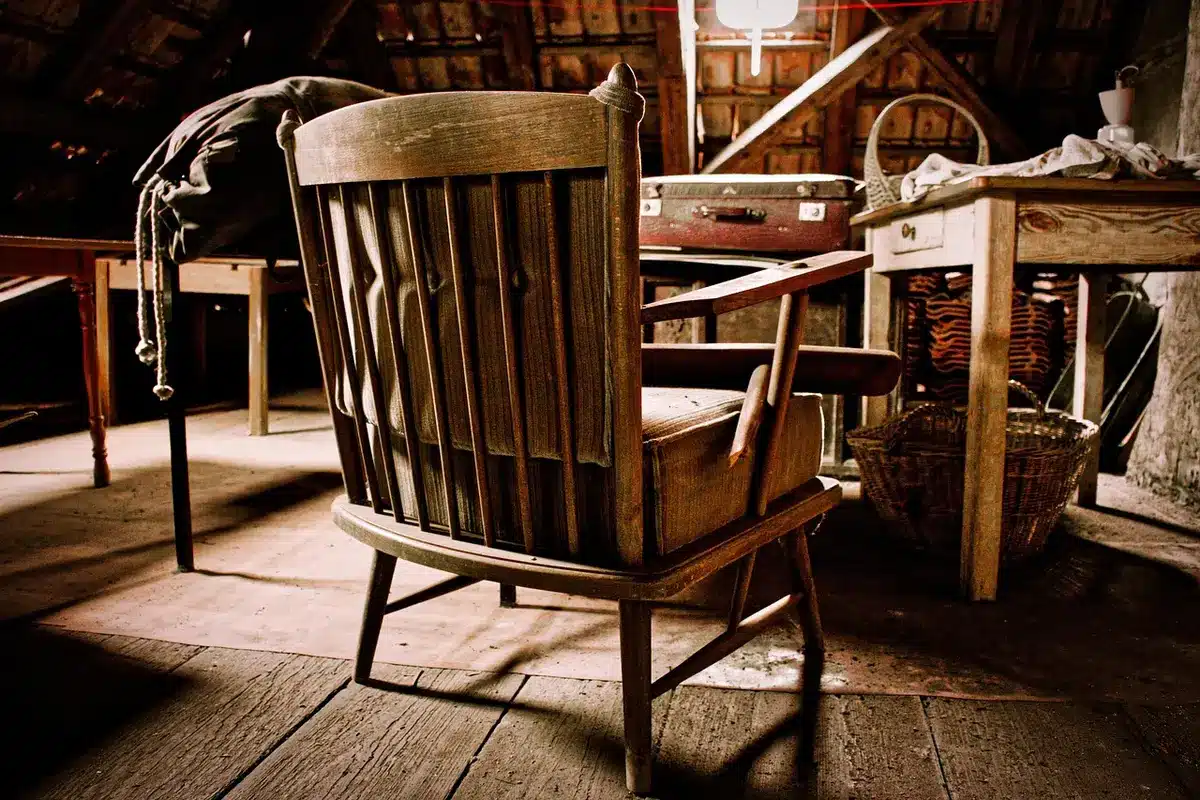
- Secrets in attics and archives prompt an investigation across generations.
- Poetry and prose are treated as living evidence of love and loss.
- The movie frames Lorca not just as icon, but as a touchstone for contemporary questions about identity.
Technical notes, festival buzz and release details
The film premiered at the BFI London Film Festival to strong critical attention. Reviewers highlighted its production design and central performances.
- Directors: Javier Calvo and Javier Ambrossi
- Screenplay: Alberto Conejero with Calvo and Ambrossi
- Photography: Gris Jordana; Editor: Alberto Gutiérrez; Music: Raül Refree
La Bola Negra opens in New York and Los Angeles on Oct. 16. The film is positioned as a major cultural moment for Spanish cinema and queer storytelling.










