
Show summary Hide summary
- Expectations vs. reality: the film’s early promise and missteps
- Plot essentials and how the story unfolds
- How scares are staged: style over substance
- Visual effects and production design: hits and misses
- Performances: Chastain, Clark, and Duplass in a fractured film
- Adaptation issues: shrinking a novel’s depth
- Sound, rhythm, and the pulse of fear
- What works, and what barely survives the cut
- Who might still find it engaging
The new horror film Other Mommy, directed by Rob Savage and adapted from the novel Incidents Around the House, arrives with high expectations and a cast of familiar faces. Instead of sharpening its eerie premise, the movie drifts between frantic jump scares and baffling tonal shifts. What should feel like psychological dread often plays like an unsettled experiment that rarely coheres.
Expectations vs. reality: the film’s early promise and missteps
Trailers sold Other Mommy as a tense, surreal thriller. The finished film struggles to match that promise.
Smashing Pumpkins reunite with legendary 90s producer Butch Vig on new Hunger Games track
U.K. terror plot: what we know and why the Gulf remains in limbo
- Opening style: The movie launches in media res, trading slow-burn build-up for immediate intensity.
- Editing choices: Rapid cuts and abrupt transitions leave narrative gaps.
- Tonal drift: Scenes bounce between dark humor and straight horror without a steady anchor.
Those choices make it hard to find a consistent mood. The result is a film that often feels stitched together rather than composed.
Plot essentials and how the story unfolds
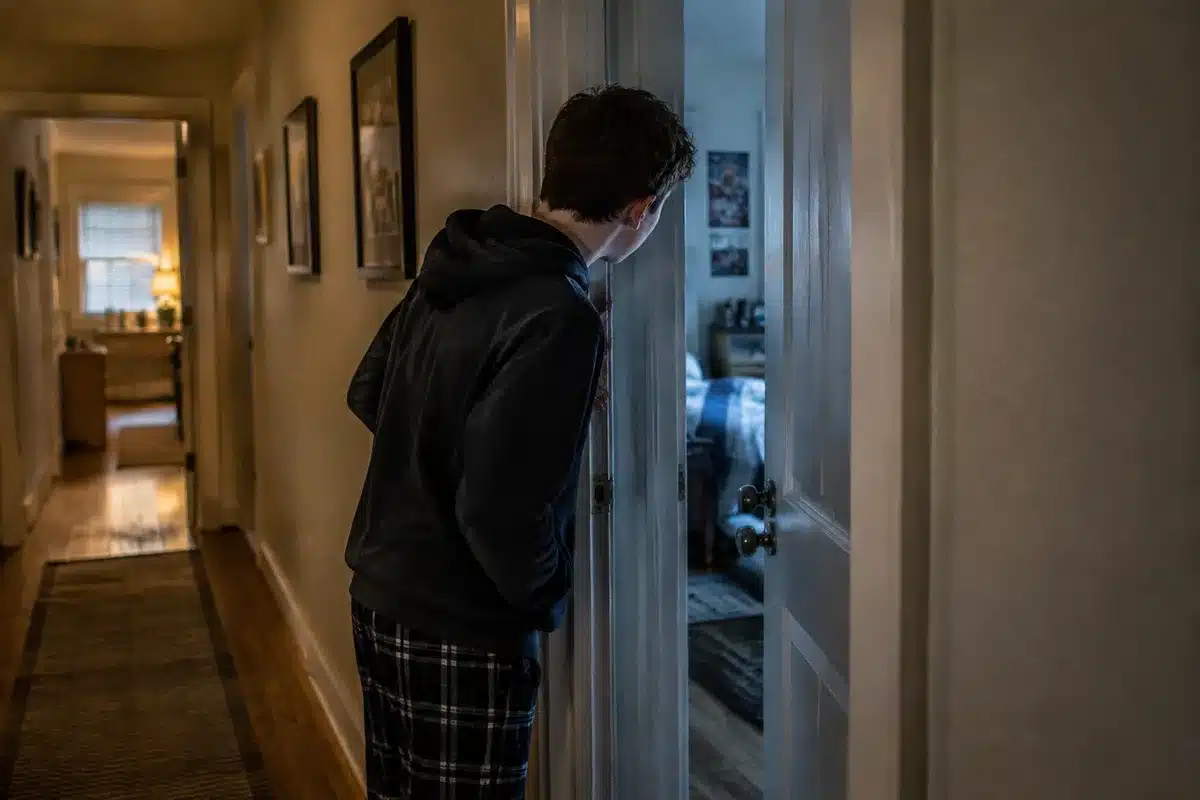
The central thread follows a teenager named Bela, who insists her mother has been replaced by a sinister double.
- Bela is already aware of an impostor living in her home.
- The rest of her family reacts in ways that undercut suspense.
- Key plot elements are hinted at, not developed.
On paper, the premise offers fertile ground for psychological horror. On screen, it rarely explores the emotional stakes behind the suspicion.
How scares are staged: style over substance
Other Mommy relies heavily on repeated jump scares rather than atmospheric dread or mounting unease.
Recurring scare patterns
- Camera circles a character, then reveals the threat behind them.
- Visual surprises repeat with similar beats throughout the film.
- CGI effects oscillate between striking and cartoonish.
When scares follow the same formula, anticipation dulls quickly. Instead of escalating tension, the film offers a rhythmic predictability.
Visual effects and production design: hits and misses
The movie mixes practical setups with heavy digital effects. That blend sometimes creates intriguing imagery.
- Some sequences show imaginative set pieces and playful ideas.
- Other moments suffer from unconvincing CGI and unclear spatial relationships.
Scale and proximity are often ambiguous. Without a clear sense of space, physical threats lose their urgency.
Performances: Chastain, Clark, and Duplass in a fractured film
The cast delivers performances that feel pulled in different directions.

- Jessica Chastain: Fully committed, she inhabits both the real and the impostor mother with heightened energy.
- Arabella Olivia Clark: Anchors the film with a believable teenage perspective.
- Jay Duplass: Offers a folksy, unfussed tone that sometimes reads like comic relief.
These distinct approaches clash rather than complement one another. When actors aim for different tonal registers, coherence suffers.
Adaptation issues: shrinking a novel’s depth
Condensing a book into a 94-minute film demands focus. Other Mommy frequently flinches from deeper themes.
- The story’s potential to examine identity and parental trust is narrowed.
- Scenes that could add emotional weight are abbreviated or omitted.
- The “mother” element in the title gets sidelined at times.
As an adaptation, the movie sometimes feels like a draft missing key connective tissue.
Sound, rhythm, and the pulse of fear
Sound design and editing shape how a horror film lands. Here, those elements pull in contradictory ways.
- Score and jump cues often telegraph scares rather than enhance them.
- Choppy scene transitions interrupt any steady build of suspense.
- Repetitive audio motifs make startling moments predictable.
The cumulative effect is a film where tension dissipates instead of mounting.
What works, and what barely survives the cut
- Workable: compelling lead presence and occasional striking visuals.
- Uneven: the film’s willingness to try different ideas, even when they conflict.
- Problematic: narrative gaps and an overreliance on jump-based shocks.
There are glimpses of imagination. But those moments cannot fully compensate for a scattered overall design.
Who might still find it engaging
Fans of brisk, effects-driven horror might get some payoff from the film’s energy.
- Viewers who prefer frequent jolts over slow tension will find familiar pleasures.
- Those curious about Chastain’s bold choices will appreciate her commitment.
But viewers seeking a cohesive psychological study or a fully realized adaptation may leave wanting more.










